 Save
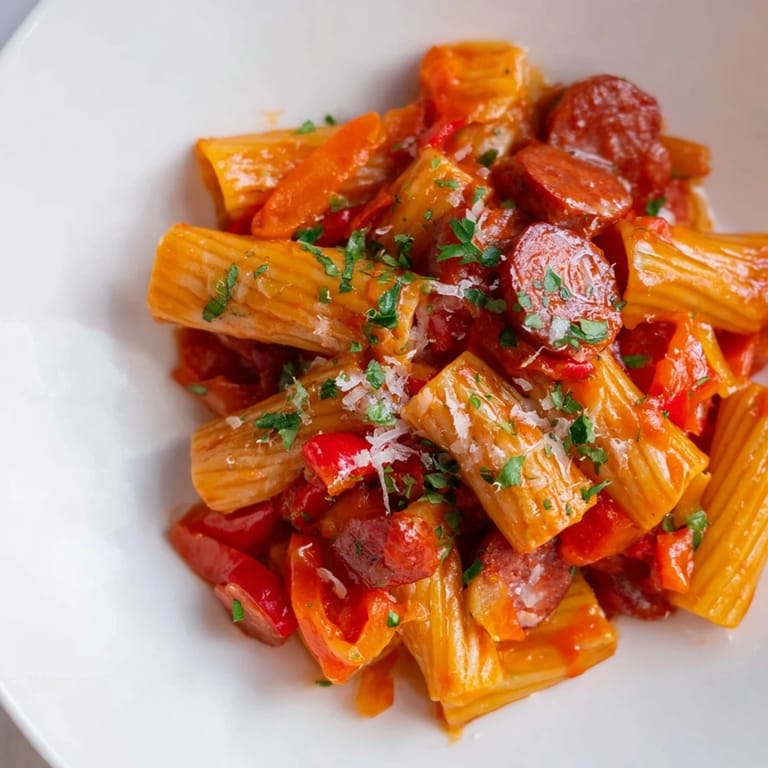
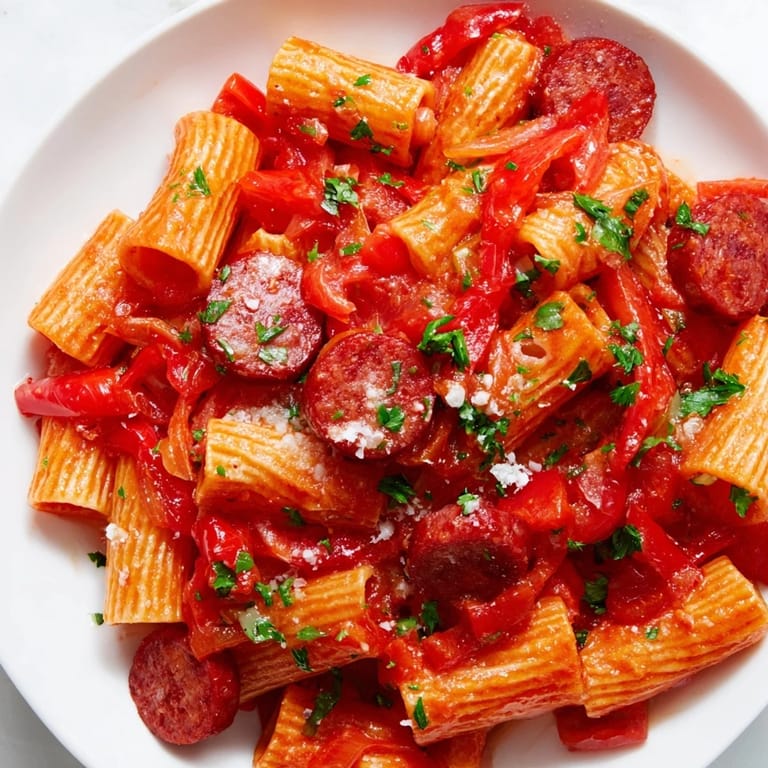
Save There's something about the sizzle of Spanish chorizo hitting a hot pan that instantly transports you somewhere warm and bustling with life. I discovered this pasta quite by accident one evening when I had chorizo in the fridge and a box of penne gathering dust in the pantry, and somehow that simple combination turned into something I now crave regularly. The smoked paprika does the heavy lifting here, giving everything this deep, almost mysterious flavor that tastes far more complicated than it actually is. What gets me every time is how the chorizo releases its own oil into the pan, so you barely need any fat at all to build something rich and satisfying. It's the kind of dish that feels indulgent but comes together faster than you'd expect.
I made this for my neighbor once when she mentioned being tired of the same old pasta routines, and watching her face light up when she tasted it reminded me why I love cooking for people. She asked for the recipe immediately and has made it at least a dozen times since, which honestly feels like the highest compliment a dish can receive.
Ingredients
- Penne or rigatoni, 350 g (12 oz): The tubes and ridges catch all that gorgeous sauce and chorizo oil, but any pasta shape works if that's what you have.
- Spanish chorizo, 200 g (7 oz), sliced thin: This is where all your flavor comes from, so don't skip it or substitute with regular sausage unless you have to.
- Medium onion, finely chopped: It softens into sweetness and becomes almost invisible, creating a gentle base for everything else.
- Garlic, 2 cloves, minced: Just enough to whisper in the background without overpowering the smoky paprika.
- Red bell pepper, diced: Adds a slight sweetness and bright color that keeps the dish from feeling too heavy or one-note.
- Canned chopped tomatoes, 400 g (14 oz): The acidity cuts through the richness of the chorizo beautifully.
- Smoked paprika, 1 tsp: This is the soul of the dish—buy good quality if you can, it makes a real difference.
- Chili flakes, ½ tsp (optional): For when you want a little kick that builds as you eat.
- Extra virgin olive oil, 2 tbsp: You'll be surprised how little you actually need once the chorizo releases its own fat.
- Fresh parsley and Manchego or Parmesan cheese: These finish the dish and add freshness that brightens everything up.
Tired of Takeout? 🥡
Get 10 meals you can make faster than delivery arrives. Seriously.
One email. No spam. Unsubscribe anytime.
Instructions
- Get your pasta water ready:
- Fill a large pot with salted water and bring it to a rolling boil. The salt should taste like the sea—this is your only chance to season the pasta itself. Once the water's roiling, add your pasta and stir occasionally so nothing sticks together.
- Let the chorizo sing:
- While the pasta cooks, heat olive oil in a large skillet over medium heat. Slice your chorizo into thin rounds and watch as they hit the pan—they'll immediately start releasing this deep red oil that smells absolutely incredible. Let them cook for 2–3 minutes until the edges brown slightly and the oil mingles with the pan.
- Build your flavor base:
- Add your chopped onion and diced red pepper to that chorizo oil. This is where the magic happens—the vegetables soften and absorb all those smoky flavors. Cook for 4–5 minutes, stirring occasionally, until everything's tender and fragrant.
- Wake it up with garlic and paprika:
- Stir in your minced garlic, smoked paprika, and chili flakes if you're using them. Just 1 minute is all you need here—you want the garlic to become fragrant without turning harsh or bitter. You'll smell it the moment it's ready.
- Bring in the tomatoes:
- Pour in your canned tomatoes and let everything simmer for 8–10 minutes. The sauce will thicken slightly and become richer as the tomato flavors meld with the chorizo and paprika. Taste it as you go—this is your chance to adjust the heat or seasoning.
- Bring it all together:
- Drain your pasta but save that starchy water first. Add the hot pasta to your skillet and toss everything together gently. If the sauce feels too thick, add a splash of that pasta water at a time until it coats the pasta but isn't soupy.
- Final touches:
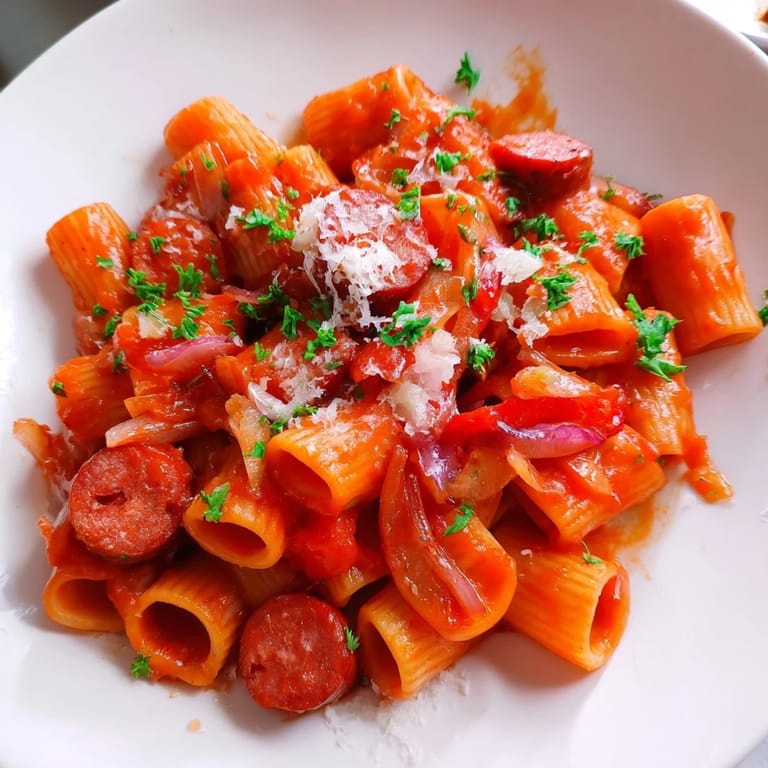
- Remove from heat and taste for seasoning. Add black pepper to your liking, then scatter with fresh parsley and grated cheese if you'd like. Let it rest for just a minute before serving so flavors settle.
 Save
Save I remember cooking this one rainy Sunday and having my roommate wander into the kitchen, drawn entirely by the smell. She didn't even ask what I was making—she just grabbed a bowl and sat down, and we ended up having this quiet moment together over something so simple but so satisfying. That's when I realized this dish had become one of those recipes that does more than just feed you.
The Secret Life of Chorizo
Spanish chorizo is a cured sausage, which means it's already fully cooked when you buy it. You're not cooking it the way you would fresh sausage—you're just heating it up and letting it release those beautiful oils and flavors into your pan. This is why it's so forgiving and why the recipe comes together so quickly. Some people worry about whether they're cooking it enough, but honestly, if it's warm and starting to brown at the edges, you're there.
Why This Works Without Cream
Most pasta dishes lean on cream or butter to create richness and help sauce cling to noodles. This one doesn't need that because the chorizo itself is fatty and creates its own luxurious base. The reserved pasta water does the heavy lifting of emulsifying everything together. It's a cooking lesson I've carried into other dishes now—sometimes the main ingredient can do the work you'd normally outsource to cream or oil.
Variations and Personal Tweaks
This recipe is actually quite forgiving once you understand how it works. I've made it with white wine splashed in after sautéing the vegetables, which adds brightness and a slight sophistication. I've added handfuls of baby spinach at the very end, letting the residual heat wilt it into the pasta. I've even tossed in roasted red peppers from a jar when fresh ones seemed too expensive. Each version tastes like itself but still feels true to the original.
- A splash of dry white wine after the vegetables softens adds depth and cuts through the richness.
- Spinach or arugula stirred in at the end keeps things fresh and adds a slight peppery note.
- If you can't find Spanish chorizo, spicy Italian sausage works as a substitute, though the flavor profile shifts slightly.
 Save
Save This is the kind of recipe that teaches you something about cooking with confidence and letting good ingredients do the work. Once you make it a few times, you'll understand the rhythm well enough to make it with your eyes closed, which is when cooking becomes genuinely fun.
Recipe FAQs
- → What type of pasta works best?
Penne or rigatoni are ideal as their ridges hold the sauce well, enhancing each bite.
- → Can I adjust the spice level?
Yes, modify the chili flakes amount or omit them entirely to control the heat according to preference.
- → Is smoked paprika essential?
Smoked paprika adds a signature smoky depth that complements the chorizo, but sweet paprika can be a milder substitute.
- → How to make the sauce creamier?
Add reserved pasta water gradually to loosen the sauce, or stir in a splash of cream or cheese for extra richness.
- → What are good garnishes for this dish?
Fresh parsley and grated Manchego or Parmesan enhance flavor and add a fresh, savory finish.