 Save
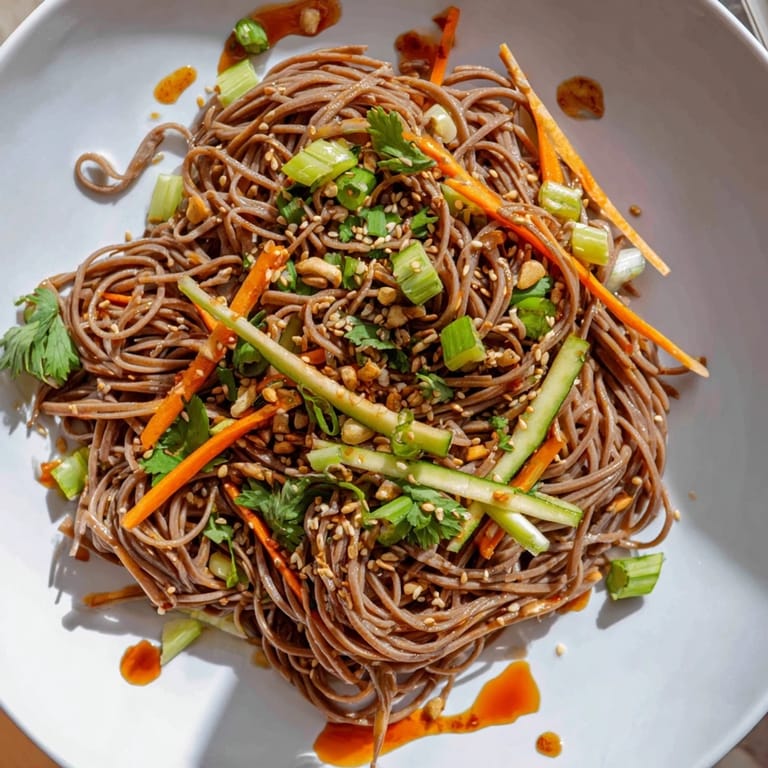
Save The first time I made these chilled noodle cups was on a sweltering Tuesday when my air conditioning decided to quit. I'd bought too many vegetables at the farmer's market and wanted something cold that wouldn't heat up the kitchen. What started as a desperate lunch hack became my go-to meal prep strategy for the entire summer—something about the way the sesame oil coats the noodles and the crunch of fresh cucumber just made sense on days when eating felt like too much effort.
I packed these for a picnic last summer, and watching my friend's face light up when she opened her container—realizing it was actually flavorful, not boring desk food—made me understand why meal prep gets such a bad reputation. Most of it tastes like punishment, but these noodle cups somehow taste like you actually care about yourself.
Ingredients
- Dried soba or rice noodles (200 g): Soba has an earthy flavor that holds up beautifully cold, but rice noodles work just as well and are lighter if that's your preference.
- Soy sauce (3 tbsp): This is your salt and umami anchor—low sodium keeps you in control, but don't skip it thinking you'll add it later because the seasoning never distributes the same way.
- Toasted sesame oil (2 tbsp): The toasted kind has the deeper, nutty flavor you want; regular sesame oil tastes like nothing by comparison and honestly won't be worth the calories.
- Rice vinegar (1 tbsp): This brings brightness without the harshness of regular vinegar, and it's gentle enough that your acid-to-oil ratio stays balanced.
- Honey or maple syrup (1 tsp): Just a touch of sweetness rounds out the sauce and keeps it from tasting one-dimensional.
- Chili garlic sauce (1–2 tsp): Start conservative here because this stuff sneaks up on you—you can always add more but you can't undo it.
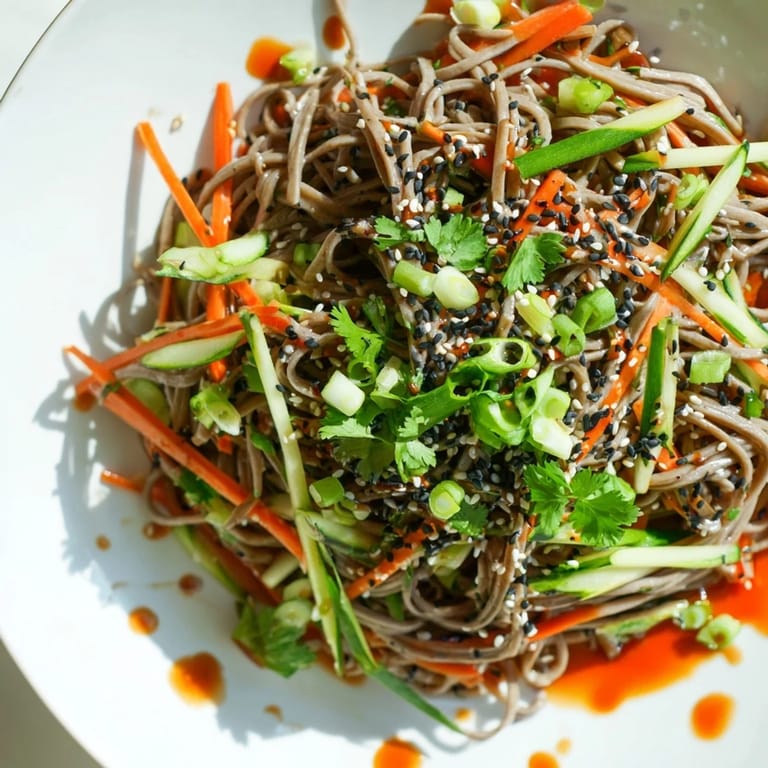
- Cucumber, julienned (1 cup): The watery crispness is what makes these cups feel refreshing; always add cucumber last or it'll weep liquid into everything.
- Carrots, julienned (2 medium): Their subtle sweetness echoes the honey in the sauce in a way that feels intentional even though you're just being practical.
- Green onions, thinly sliced (2): These are your brightness and sharpness—the thing that keeps the whole dish from tasting heavy.
- Toasted sesame seeds (2 tbsp): The crunch matters here as much as the flavor, so don't skip them or swap them for something else.
- Fresh cilantro, chopped (1 tbsp, optional): If you love it, it adds a fresh herbaceousness; if you're one of those people who tastes soap, skip it without apology.
Tired of Takeout? 🥡
Get 10 meals you can make faster than delivery arrives. Seriously.
One email. No spam. Unsubscribe anytime.
Instructions
- Cook and chill the noodles:
- Bring salted water to a rolling boil and cook the noodles according to package timing—don't overcook them into mush because they'll soften more as they sit. Drain immediately and rinse under cold running water, stirring gently until they're completely cooled and no longer clumped together.
- Build your sauce:
- Whisk the soy sauce, sesame oil, rice vinegar, honey, and chili garlic sauce together in a small bowl until the honey dissolves completely. Taste it straight—it should feel balanced between salty, nutty, and bright, with heat building slowly in the back of your throat.
- Assemble the cups:
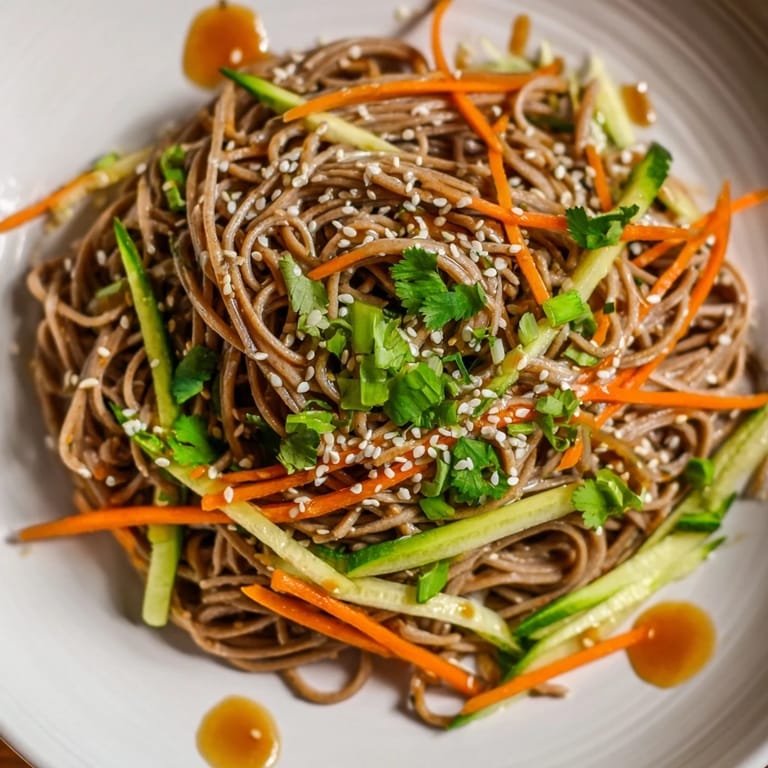
- Divide the cold noodles evenly among four meal prep containers, pressing them down gently so they sit flat and stable. Layer the cucumber, carrot, and green onion on top of each portion, arranging them however feels right.
- Dress and finish:
- Drizzle the sauce evenly over each cup and toss everything together gently so the dressing coats the noodles without breaking them. Top with sesame seeds and cilantro if you're using it, then seal the containers and refrigerate until you're ready to eat.
 Save
Save There's a particular kind of peace that comes with opening your lunch box and finding something cold, colorful, and ready to eat when you're already tired. These noodle cups became my answer to those moments.
Make-Ahead Strategy
I learned quickly that assembling everything in a container on Sunday doesn't work the same way if you sauce it all at once. Now I prep the noodles, vegetables, and sauce in separate containers and combine them as I eat through the week—it's one extra step but it buys you three full days of actually good lunch instead of two days of acceptable and one day of regret.
Protein Additions
These cups are vegetarian as written, but they're also blank enough that you can turn them into whatever you need. I've added crumbled tofu that I'd marinated in a little soy sauce, shredded rotisserie chicken, and once I used canned chickpeas that I'd tossed with a bit of the extra sauce—all of it worked because the base is strong enough to hold something more substantial without falling apart.
Flavor Tweaks and Customization
The beauty of this recipe is that it's a framework rather than a strict formula. I've made it with lime juice instead of rice vinegar on nights when I wanted something brighter, and I've added minced ginger and garlic to the sauce when I wanted more depth. Some people I know prefer peanut sauce here instead of sesame oil, which sounds wrong until you try it and realize it's just a different kind of right.
- If cilantro tastes like soap to you, mint or Thai basil work beautifully instead.
- Add grated ginger or minced garlic directly to the sauce for more complex heat.
- A splash of lime juice brightens everything if you find the sesame oil sitting too heavy on your palate.
 Save
Save These noodle cups stopped being a survival lunch and became something I actually look forward to eating. That shift from obligation to genuine appetite is exactly what good meal prep should feel like.
Recipe FAQs
- → What noodles work best for this dish?
Soba or rice noodles both work well, offering a chewy texture that pairs nicely with the chilled sauce.
- → How can I make this dish spicier or milder?
Adjust the amount of chili garlic sauce to suit your taste, adding more for heat or less for mildness.
- → Can I prepare this dish ahead of time?
Yes, it's ideal for meal prep. Store chilled in containers and consume within three days for freshness.
- → What proteins complement these noodle cups?
Cubed tofu, shredded chicken, or edamame make excellent additions for added protein and texture.
- → Are there allergy considerations to keep in mind?
The dish contains soy and sesame, and traditional noodles may have gluten—gluten-free alternatives can be used if needed.
- → How should the noodles be prepared?
Cook noodles according to package instructions, then rinse under cold water until fully chilled and drain well to avoid sogginess.