 Save
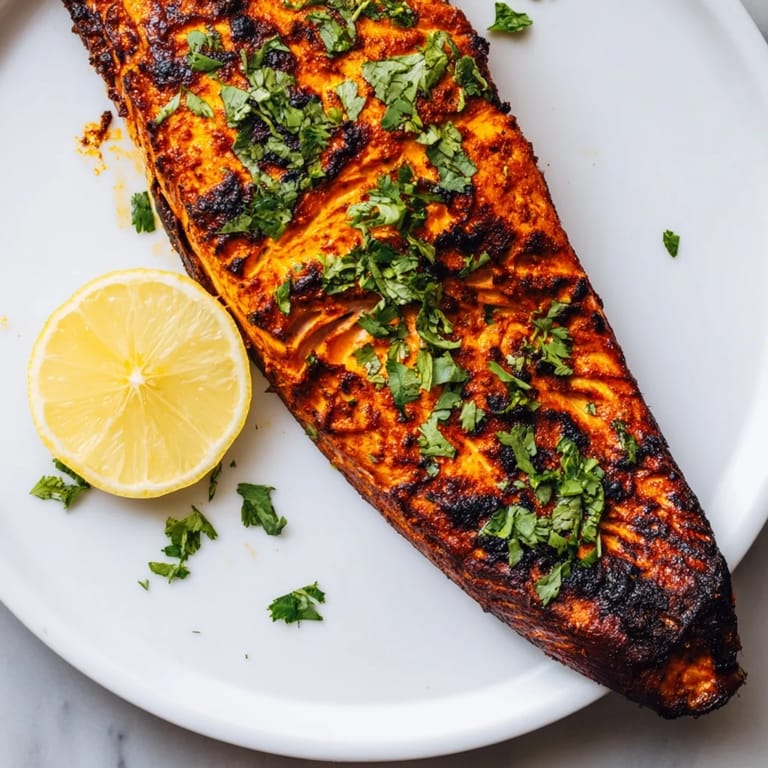
Save I discovered tikka salmon on a humid summer evening when my neighbor dropped off fresh fillets from the market and challenged me to do something exciting with them. Standing in my kitchen with the spice cabinet wide open, I grabbed the tikka paste almost on impulse and whisked it into yogurt, watching the color shift to that warm burnt orange. Twenty minutes later, the whole apartment smelled like cardamom and charred edges, and I realized I'd stumbled onto something that felt both comfortingly familiar and entirely my own.
The first time I made this for guests, I panicked halfway through—the marinade looked too thick, and I wasn't sure if the salmon would dry out. But something magical happened in that oven: the yogurt and spices created this protective coating that kept everything moist while the edges got this gorgeous caramelized crispness. My friend took one bite and immediately asked for the recipe, which meant everything.
Ingredients
- Salmon fillets: Use skin-on if you like it crispy underneath, or skinless for a cleaner presentation; aim for pieces about 150g so they cook evenly.
- Plain yogurt: The thick kind is essential—it clings to the fish and becomes almost a protective shell; plant-based yogurt works beautifully too.
- Tikka masala paste: This is your flavor anchor; a good-quality paste saves you from measuring out five spices individually.
- Lemon juice: Brightens everything and helps tenderize the fish slightly.
- Cumin and coriander: These ground spices add depth that the paste alone can't deliver.
- Smoked paprika: Gives you that subtle campfire note without actual smoke.
- Chili powder: Start conservative; you can always add more heat, but you can't take it back.
- Olive oil: Helps the spices cling and creates those crispy, caramelized bits.
- Salt and pepper: Season boldly—the fish is mild and can take it.
Tired of Takeout? 🥡
Get 10 meals you can make faster than delivery arrives. Seriously.
One email. No spam. Unsubscribe anytime.
Instructions
- Prepare your space:
- Crank your oven to 220°C and line a tray with parchment or foil; this prevents sticking and makes cleanup almost effortless.
- Build your marinade:
- Whisk yogurt, tikka paste, lemon juice, cumin, coriander, paprika, chili powder, olive oil, salt, and pepper until smooth and well combined. Taste it—it should be vibrant and make your mouth water.
- Dry your salmon:
- Pat each fillet thoroughly with paper towels; any moisture on the surface prevents the spices from adhering properly and creates steam instead of crust.
- Coat generously:
- Spread the marinade over every surface of each fillet, making sure the sides and edges get covered; you want a visible, fragrant layer.
- Let it rest:
- Even 10 minutes makes a difference, but if you have time, refrigerate for up to an hour to let the flavors soak in deeper.
- Roast until golden:
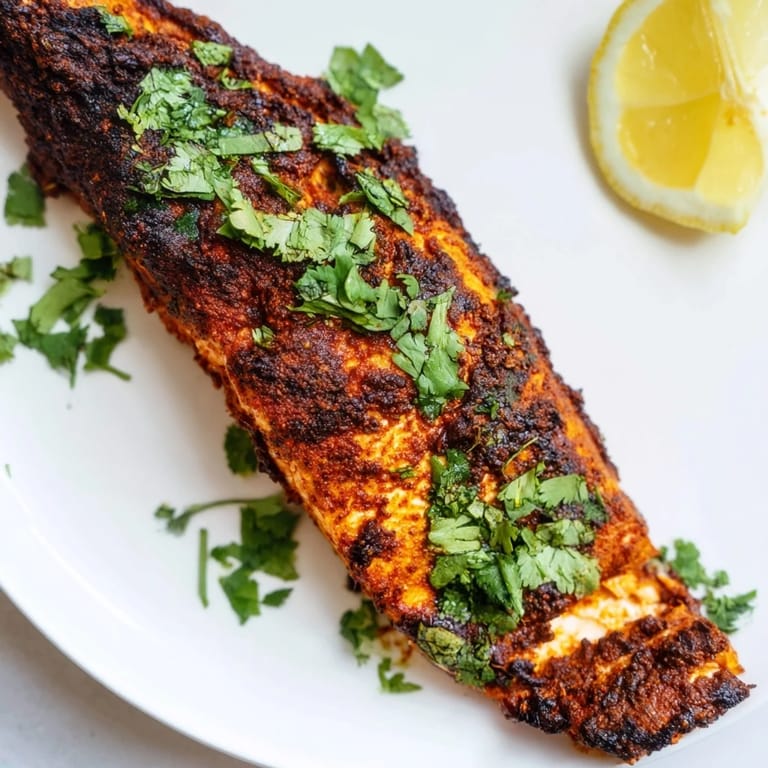
- Bake for 15–18 minutes until the salmon flakes easily and the edges show that beautiful caramelized crispness. The internal temperature should feel firm but still tender when you flake it gently.
- Finish and serve:
- Top with fresh coriander and squeeze lemon over everything; add sliced red onion for a cool, sharp contrast if you're in the mood.
 Save
Save There's a moment right when you pull this from the oven and the kitchen fills with that warm spiced aroma that makes everyone stop what they're doing. My kids, who claim they don't like salmon, actually clean their plates, and I think it's because the tikka masala makes it feel less like health food and more like something special.
The Flavor Story
Tikka salmon sits at this beautiful intersection between Indian spice traditions and modern quick cooking. The yogurt marinade does double duty—it adds tang and creaminess while the acids help the fish stay moist. The spices bloom during roasting, so what starts as a paste becomes this complex, layered flavor that tastes like you've been working all afternoon.
What to Serve It With
Basmati rice absorbs the spice and soaks up any pan juices beautifully, or if you want something lighter, a crisp cucumber and tomato salad cuts through the richness. Warm naan is perfect for scooping up every last bit of marinade, and a dollop of cooling yogurt on the side gives your mouth a break from the heat if needed.
Tweaks and Swaps
This method works magic on almost any mild white fish—cod, haddock, and halibut all become equally stunning. For a vegetarian twist, thick tofu slices or even cauliflower steaks marinate and roast beautifully in the exact same way. If you're playing with heat levels, use less chili powder, or if you want serious spice, go bold and add a pinch of cayenne.
- For extra char and drama, slide the tray under the broiler for 1–2 minutes right at the end, but watch carefully.
- The salmon can go straight from fridge to oven if you're short on time, though marinating ahead always deepens the flavor.
- Leftovers are incredible flaked into a grain bowl the next day with some rice and roasted vegetables.
 Save
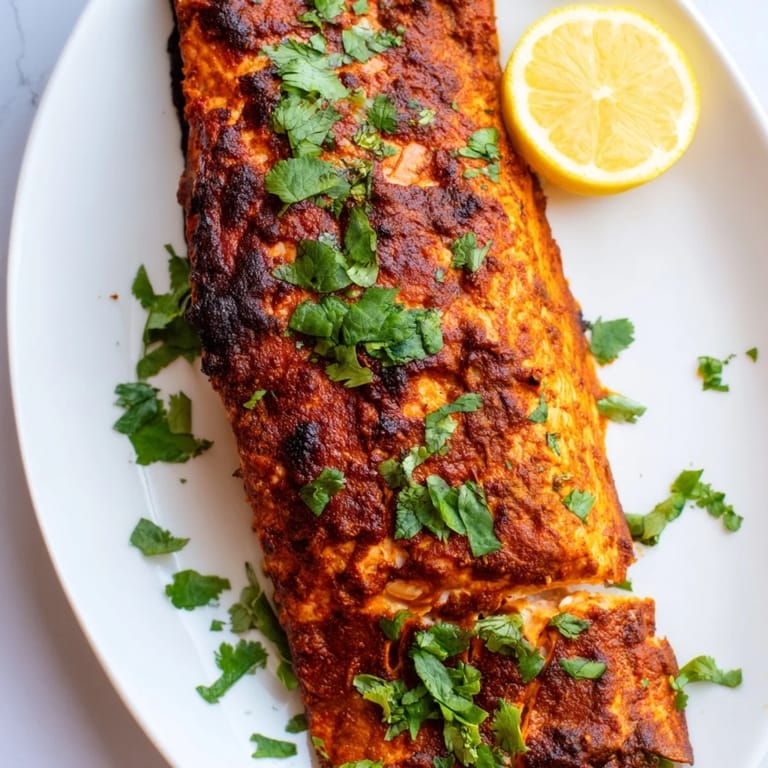
Save This recipe proves that restaurant-quality flavor doesn't need hours of fussing or an exhausting ingredient list. It's the kind of dish that makes weeknight dinners feel like you've actually tried.
Recipe FAQs
- → What type of salmon is best for this dish?
Skin-on or skinless salmon fillets work well; skin-on helps retain moisture and adds texture when crisped.
- → Can I make it dairy-free?
Yes, substitute plain yogurt with plant-based yogurt to keep the marinade creamy without dairy.
- → How long should the salmon marinate?
A minimum of 10 minutes is recommended, but marinating up to 1 hour enhances the flavors deeply.
- → What sides complement this salmon dish?
Serve with basmati rice, naan, or a simple cucumber salad for a balanced and satisfying meal.
- → Can I adjust the spice level?
Yes, vary the chili powder quantity in the marinade to make it milder or spicier according to preference.
- → Is there an alternative to salmon for this preparation?
Cod, haddock, or firm tofu can be used as substitutes, marinated and roasted in the same way.