 Save
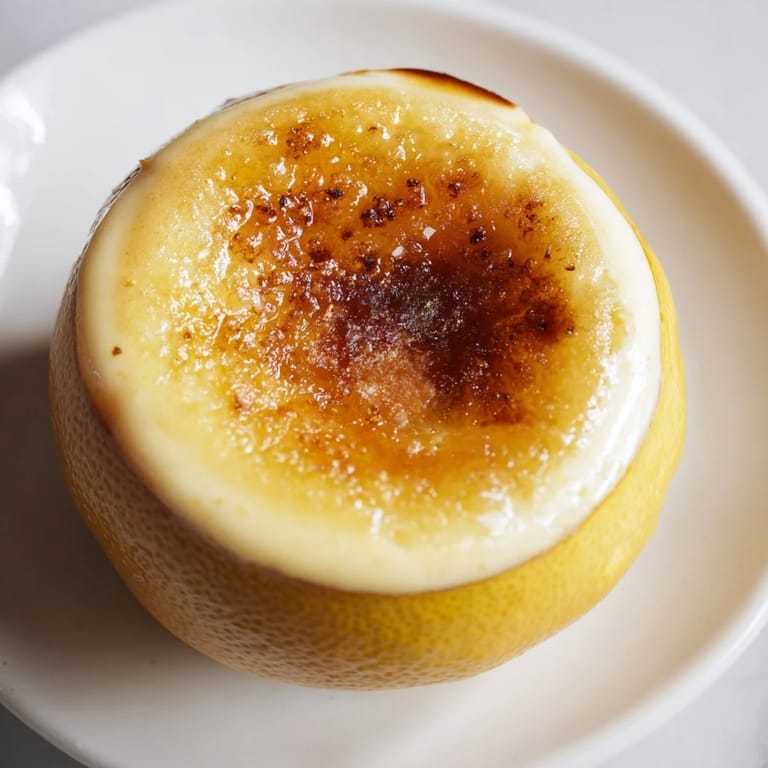
Save Years ago, I watched a friend pull lemon halves from the fridge, each one brimming with the most impossibly silky cream I'd ever tasted. The way the caramelized sugar cracked under my spoon and gave way to that bright, smooth filling felt like theater on a plate. It took months before I finally asked for the secret, and when she told me it was a posset—a forgotten British classic—I understood why she'd kept it close. Now I make it whenever I want to feel a little bit fancy without spending the entire evening in the kitchen.
I made these for a dinner party on the last warm evening of autumn, setting each lemon shell in its own small bowl like an edible gift. One guest asked if I'd learned to make them in culinary school, and I laughed—no, just a borrowed recipe and a blowtorch I'd bought on impulse. By the time everyone finished their dessert and someone asked for seconds, the shells were somehow still standing, and the whole table felt a little bit magical.
Ingredients
- Double cream (500 ml): This is the soul of the recipe—use the real stuff, not whipping cream. The fat content makes it luxuriously thick when the lemon juice hits it.
- Caster sugar (140 g, plus 6–8 tsp for topping): Caster sugar dissolves cleaner than granulated, and it keeps the texture silky rather than grainy.
- Lemon zest (from 2 lemons): Grate it fresh right before cooking so you get those bright oils, then strain it out later for that refined, smooth finish.
- Freshly squeezed lemon juice (90 ml): Don't use bottled—the juice is what makes the cream set and sing, and fresh juice tastes alive where bottled tastes tired.
- Large lemons (6, for shells): Pick lemons that feel firm and have thick skins so they hold their shape when hollowed.
Tired of Takeout? 🥡
Get 10 meals you can make faster than delivery arrives. Seriously.
One email. No spam. Unsubscribe anytime.
Instructions
- Hollow out your lemon vessels:
- Slice your lemons in half lengthwise and gently scoop out the flesh with a melon baller or small spoon, being careful not to puncture the bottom. Trim a thin slice off the back so they sit flat and upright on your serving surface, then chill them—cold shells help the warm posset set faster.
- Heat the cream with sugar and zest:
- Pour the cream and sugar into a saucepan and warm it over medium heat, stirring until the sugar dissolves completely. The moment it begins to boil gently, let it go for another three minutes, then turn off the heat—the idea is to infuse it with the lemon zest without letting it break.
- Add the lemon juice and watch the magic happen:
- Stir in the fresh juice slowly and you'll feel the mixture thicken slightly as the acidity reacts with the cream. Let it cool for about ten minutes, then strain it through a fine mesh to remove the zest pieces so your final posset is silky and smooth.
- Pour and chill:
- While the posset is still warm, carefully pour it into your chilled lemon shells, filling them close to the rim. Slide them into the fridge and forget about them for at least three hours—patience here is what makes them properly set.
- Brûlée and serve:
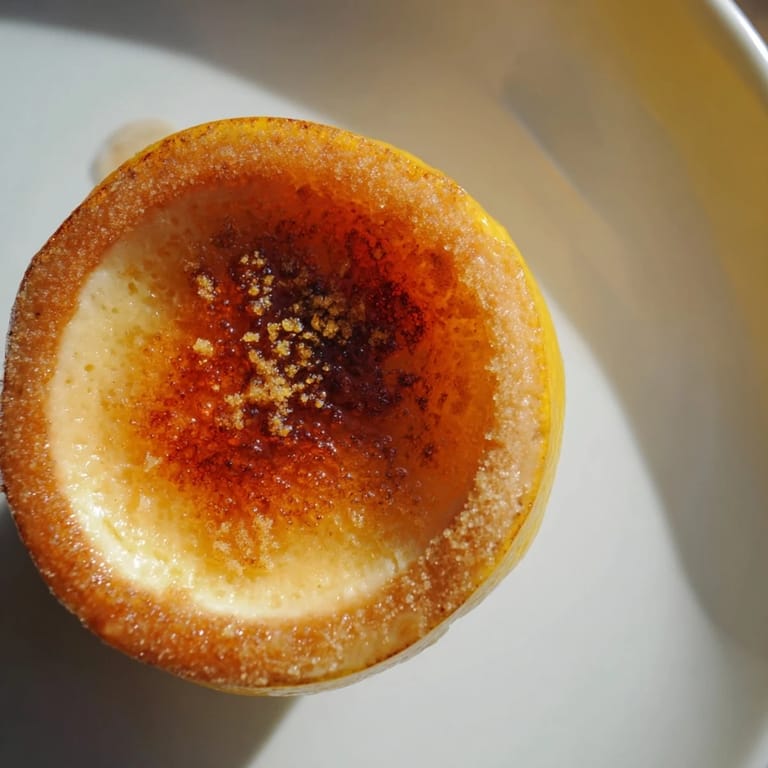
- Just before you bring them to the table, sprinkle about a teaspoon of caster sugar over each one and use a blowtorch to melt and caramelize it until it's golden and crackling. Let the sugar harden for a couple of minutes, then serve immediately so that contrast between the crisp top and silky filling is perfect.
 Save
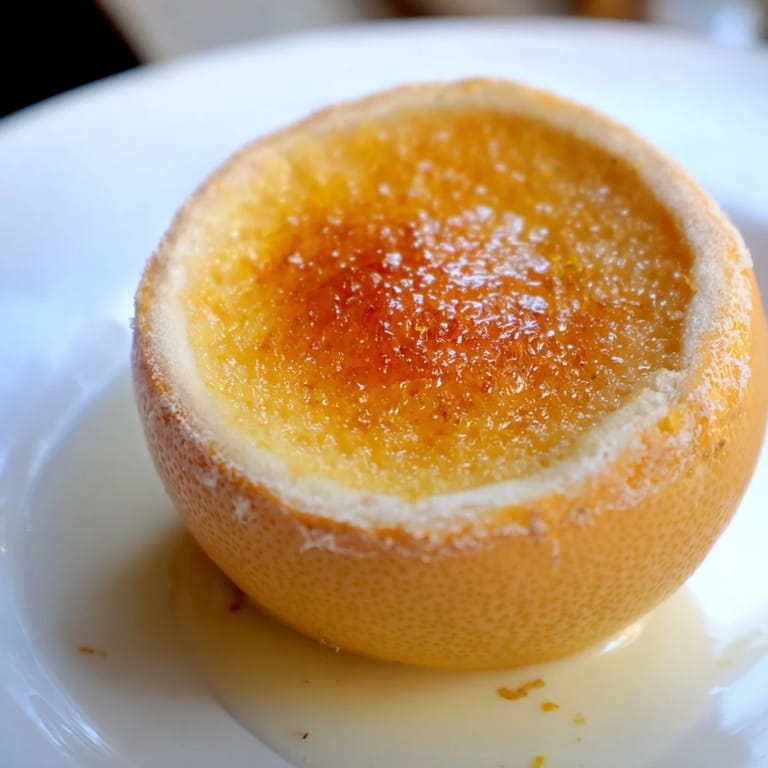
Save I remember serving these to my grandmother, who took one bite and closed her eyes like she was remembering something from decades ago. She told me she hadn't eaten a proper posset since the 1970s, and suddenly this little dessert became a bridge between us, a small edible time machine. That's when I realized these aren't just pretty desserts—they're the kind of dish that holds memory and intention.
Why Fresh Lemon Juice Changes Everything
The acidity in fresh juice is alive in a way bottled juice simply isn't. When I first made this with store-bought juice because I was running late, the posset felt dull and one-dimensional—pretty to look at, but missing something essential. Switching back to juice I'd squeezed myself made the whole dessert brighter, more elegant, and somehow more honest. It's one of those moments where a single ingredient matters more than you'd expect.
The Lemon Shell as Part of the Story
Using hollowed lemon halves as your serving vessels is part of the artistry here, not just decoration. When guests pick up these little edible bowls and see the effort you've taken, it sends a message that this dessert was made with care. The shells also keep the posset cool from the outside while you're eating, and there's something deeply satisfying about eating directly from a lemon—it completes the flavor story.
Make-Ahead Magic and Flavor Variations
You can make the posset filling up to a day in advance and keep the filled shells chilled, then add the brûlée topping just before serving—this is a genuine lifesaver if you're entertaining. For a subtle twist, infuse the cream with a small sprig of thyme or basil while it simmers, then remove it before adding the lemon juice. Some people add a touch of honey or a hint of vanilla, but I've always found that lemon speaks loudly enough on its own.
- Serve alongside crisp shortbread or almond biscuits to add a textural contrast.
- Make sure your blowtorch sugar isn't applied more than five minutes before serving, or it can soften from the moisture below.
- If you're doubling the recipe, use the same proportions and simply multiply the ingredient quantities—the chemistry stays the same.
 Save
Save This is the kind of dessert that stays with people long after dinner ends. Serve it with intention, and watch how a simple lemon shell becomes something guests remember.
Recipe FAQs
- → How do I properly prepare the lemon shells?
Cut lemons in half lengthwise, juice them carefully, and scoop out the flesh while keeping the shells intact. Trim a thin slice off the bottom so they stand upright.
- → Can I infuse additional flavors into the cream base?
Yes, adding herbs like thyme or basil during simmering enhances flavor. Remove herbs before adding lemon juice for a smooth finish.
- → What is the best way to caramelize the sugar topping?
Use a kitchen blowtorch to evenly caramelize caster sugar on top until golden and crisp. Alternatively, a hot grill or broiler can be used with close attention.
- → How long should the dessert chill before serving?
Chill the lemon cream in shells for at least 3 hours to allow it to set fully and achieve the desired silky texture.
- → Can this dessert be prepared in advance?
Yes, it can be made up to one day ahead. However, caramelize the sugar topping just before serving to maintain crispness.