 Save
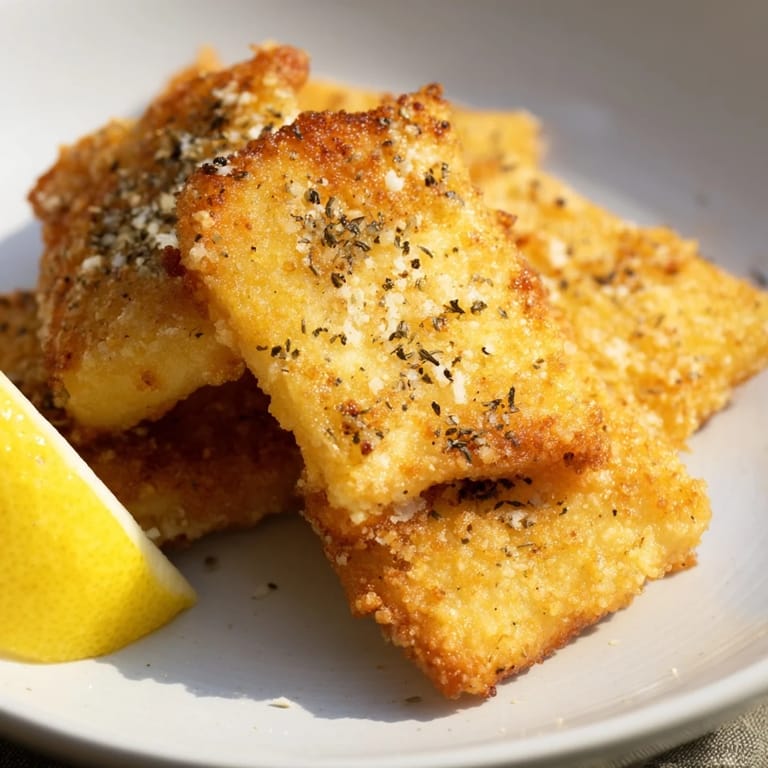
Save My neighbor Eleni brought saganaki to a summer potluck and I watched everyone crowd around the pan like moths to a flame. The sizzle, the smell of browning cheese, the way she squeezed lemon over it and it hissed—I knew I had to learn it. She laughed when I asked for the recipe, saying there wasn't one, just hot oil and good cheese. That night I tried it myself and burned the first slice black, but the second one came out golden and perfect, and I ate it standing at the stove.
I made this for my brother when he came over tired from work, no plan for dinner, just cheese in the fridge. He took one bite and closed his eyes, said it tasted like the taverna we went to in Crete years ago. We didn't talk much after that, just ate in silence, squeezing lemon and tearing bread, and it was one of those quiet perfect meals you don't forget.
Ingredients
- Firm Greek cheese (kasseri, kefalotyri, or halloumi): This is the soul of the dish—kasseri melts beautifully with a slight tang, kefalotyri is saltier and sharper, and halloumi holds its shape like a dream. Slice it thick or it'll melt too fast.
- All-purpose flour: Just enough to create a thin crust that crisps up in the oil without turning into batter. I learned to shake off the excess or it gets gummy.
- Olive oil: Use good olive oil—it flavors the cheese as it fries and keeps the heat steady. I tried butter once and it burned before the cheese even browned.
- Lemon: Fresh lemon juice is non-negotiable. It cuts through the richness and makes the whole thing sing. Bottled juice tastes like regret.
- Dried oregano: A pinch of oregano brings that unmistakable Greek warmth. I keep a jar just for this.
- Freshly ground black pepper: A few cracks of pepper add a tiny bite that balances the salt and fat.
Tired of Takeout? 🥡
Get 10 meals you can make faster than delivery arrives. Seriously.
One email. No spam. Unsubscribe anytime.
Instructions
- Dry the cheese:
- Pat each slice with paper towels until no moisture remains. Wet cheese won't crisp, it'll just steam and stick to the pan.
- Coat lightly in flour:
- Dredge each piece through the flour and tap off the extra. You want a whisper of coating, not a blanket.
- Heat the oil:
- Warm the olive oil in a non-stick skillet over medium-high heat until it shimmers but doesn't smoke. Too cool and the cheese will soak up oil, too hot and it'll burn before it melts.
- Fry the cheese:
- Lay the slices in the pan and let them sizzle undisturbed for a minute or two. Flip when the edges turn golden and the bottom is crisp, then fry the other side just as long.
- Drain and serve:
- Lift the cheese onto paper towels for a few seconds, then transfer to a warm plate. Sprinkle with oregano and pepper, and serve with lemon wedges while it's still crackling hot.
 Save
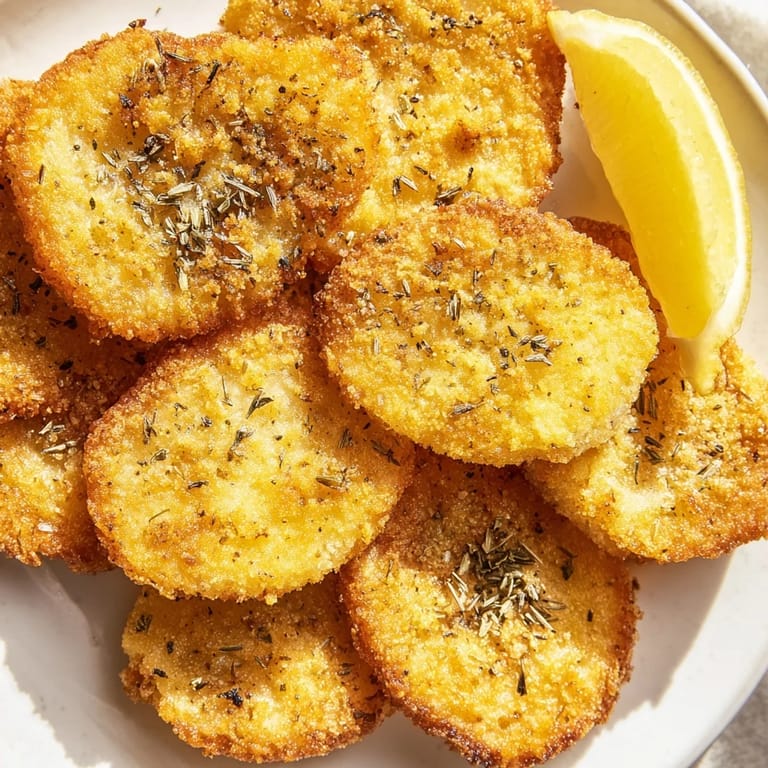
Save The first time I made this for friends, someone said it was better than the stuff we had in Santorini, and I didn't believe them until I tasted it myself. There's something about making it at home, in your own kitchen with your own hands, that makes it taste even better than vacation.
Choosing the Right Cheese
Kasseri is my go-to because it melts into this creamy, stretchy center while the outside crisps perfectly. Kefalotyri is sharper and saltier, almost like aged Parmesan, and works if you want more punch. Halloumi is the safest bet for beginners because it holds together no matter what, though it's a bit squeakier and less melty. I've also used graviera in a pinch and it was rich and nutty, almost sweet.
Serving Suggestions
I like to serve this with warm pita or crusty bread for scooping, and it fits right into a mezze spread with olives, cucumbers, and tomatoes. Sometimes I'll add a drizzle of honey over the top for a sweet-salty contrast that makes people stop mid-bite and ask what I did. A cold glass of Assyrtiko or a light lager is perfect alongside, something crisp to cut the richness.
Make It Your Own
Once you've nailed the basic version, you can play around. I've added a crack of red pepper flakes for heat, or a few thyme leaves instead of oregano when I'm feeling herbal. Some people flame it with ouzo or brandy at the table for drama, though I've never been brave enough to try that indoors.
- Try a drizzle of honey and a sprinkle of sesame seeds for a modern twist.
- Serve it over arugula with cherry tomatoes for a warm cheese salad situation.
- Use gluten-free flour or even cornstarch if you need it to be celiac-safe.
 Save
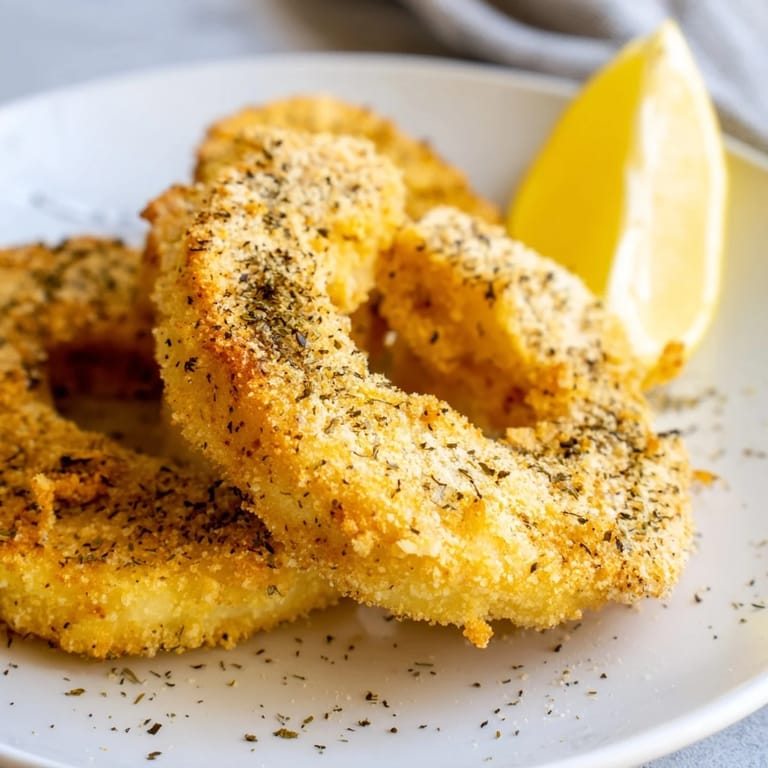
Save This dish taught me that the best food doesn't need a long ingredient list or hours of work, just good timing and a little bit of heat. Make it once and you'll keep making it forever.
Recipe FAQs
- → What cheeses work best for fried saganaki?
Kasseri, kefalotyri, and halloumi are traditional choices. Each offers a firm texture that crisps well during frying.
- → Can I use gluten-free flour for coating?
Yes, gluten-free flour works perfectly for coating and frying while maintaining crispness.
- → How do I prevent the cheese from sticking to the pan?
Use a non-stick skillet and enough olive oil, heating it over medium-high to create a crisp crust quickly.
- → What is the role of lemon in this dish?
Fresh lemon juice adds bright acidity that balances the rich, salty flavor of the fried cheese.
- → How should saganaki be served?
Serve immediately after frying, sprinkled with oregano and black pepper, alongside lemon wedges for squeezing.
- → Can saganaki be part of a larger meal?
Yes, it pairs well with crusty bread, mezze platters, and crisp white wines like Assyrtiko.