 Save
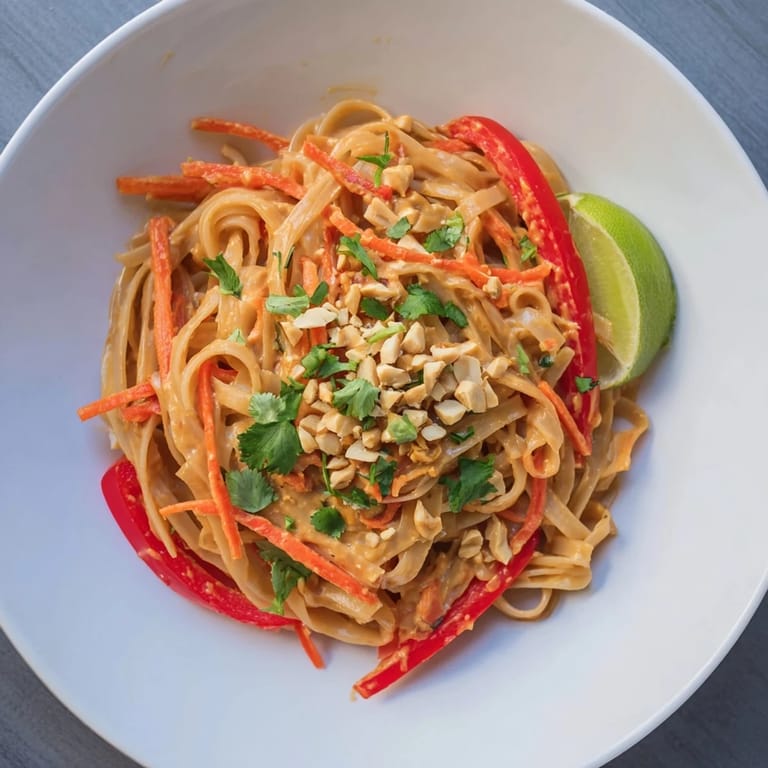
Save One Tuesday evening, I was rifling through my pantry feeling uninspired when a jar of peanut butter caught my eye next to some sesame oil. That random combination sparked something, and twenty minutes later I had a bowl of noodles so satisfying that my roommate asked for the recipe before I'd even finished mine. What started as kitchen improvisation became my go-to weeknight dinner, the kind you make when you want something that tastes far better than the effort it takes.
I made this for a small dinner party once, doubling the recipe and serving it as a cold noodle dish on a hot summer evening. Watching people go back for thirds while barely talking because they were too busy eating felt like the highest compliment I could get. That's when I realized this wasn't just a quick weeknight meal—it was something special enough to share.
Ingredients
- Dried rice noodles or spaghetti (12 oz): Rice noodles have a delicate chew that soaks up the sauce better, but spaghetti works beautifully too if that's what you have on hand.
- Creamy peanut butter (1/2 cup): The foundation of everything—use the kind you actually like eating, not the natural stuff that separates unless you're into that.
- Soy sauce (1/4 cup): This adds the savory backbone; tamari works if you need gluten-free.
- Rice vinegar (2 tbsp): It cuts through the richness with just enough tang to make everything pop.
- Toasted sesame oil (1 tbsp): A little goes a long way here—it's the ingredient that made me realize I was onto something special.
- Honey or maple syrup (2 tbsp): Balances the heat and brings a subtle sweetness that makes people ask what the secret ingredient is.
- Sriracha or chili garlic sauce (2–3 tbsp): Start with 2 and taste as you go; you can always add more heat but you can't take it back.
- Garlic and ginger (2 cloves and 1 tbsp): Fresh is non-negotiable here—they're what make this taste alive instead of flat.
- Warm water (1/4 cup): Use this to adjust the sauce consistency; it should pour like heavy cream, not sit like peanut butter.
- Shredded carrots (1 cup): They add crunch and brightness that keeps the noodles from feeling heavy.
- Bell pepper slices (1 cup): I prefer red for sweetness, but any color works.
- Scallions (2 thinly sliced): These are the finishing touch that tells you to eat it now while it's fresh.
- Roasted peanuts (1/4 cup) and cilantro (1/4 cup): They're the final layer of texture and flavor that makes each bite interesting.
- Lime wedges: Essential for that last squeeze of brightness.
Tired of Takeout? 🥡
Get 10 meals you can make faster than delivery arrives. Seriously.
One email. No spam. Unsubscribe anytime.
Instructions
- Get the noodles going:
- Boil a pot of salted water and cook your noodles until they're tender but still have a tiny bit of chew. Drain them in a colander and rinse under cold water until they're completely cool—this stops them from sticking together.
- Make the magic sauce:
- In a bowl, whisk the peanut butter, soy sauce, rice vinegar, sesame oil, honey, sriracha, garlic, and ginger together until it's smooth and creamy. Add the warm water a little at a time until it flows like a sauce you'd want to pour over everything.
- Bring it all together:
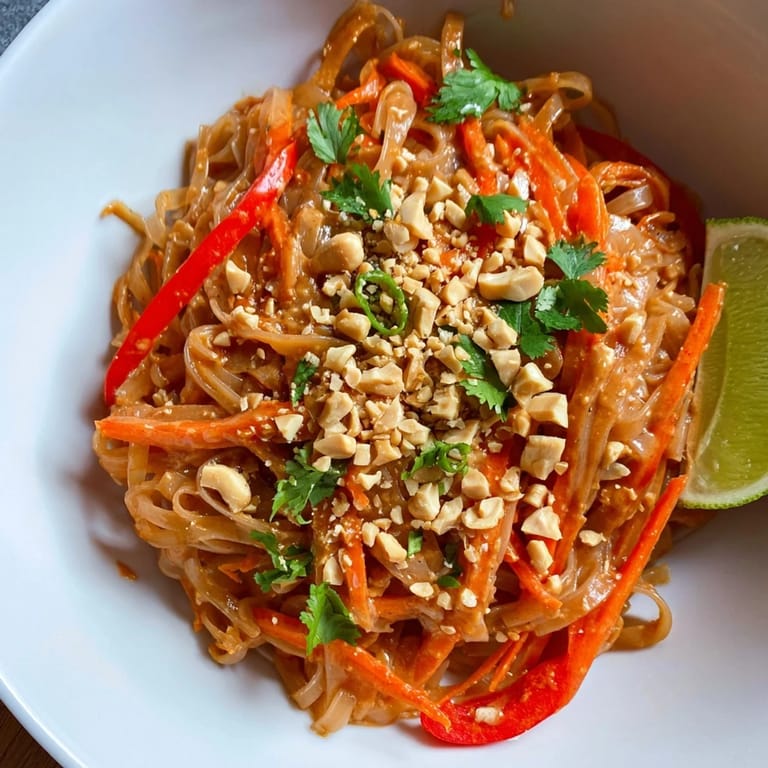
- Toss the cooled noodles with the carrots and bell pepper, then pour the sauce over everything and mix until every strand is glossy and coated. This is the moment where it stops being ingredients and becomes actual food.
- Plate and finish:
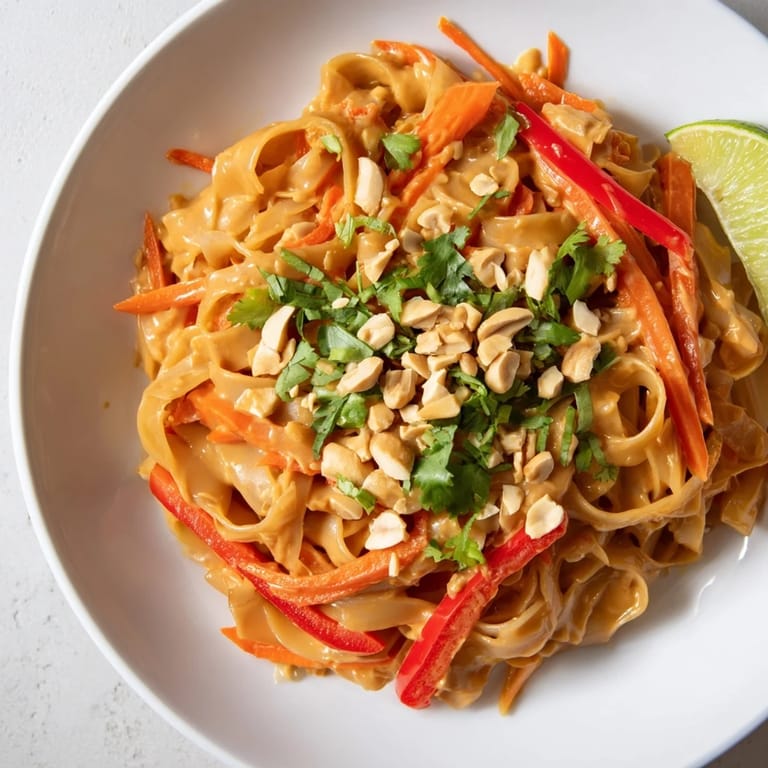
- Divide the noodles into bowls and scatter the scallions, peanuts, and cilantro on top, then squeeze lime over each serving. Eat it warm or chill it for a cold version—both are equally good.
 Save
Save There's a moment when you taste the sauce for the first time while making this, and it hits you that something this good came from your own bowl. That's when you realize cooking doesn't have to be complicated to be rewarding.
The Heat Factor
The spice level in this recipe is genuinely customizable because different sriracha bottles pack different punches. I learned this the hard way by making a batch that cleared my sinuses in the best way possible. Start conservative if you're cooking for others, because you can always pass hot sauce at the table for people who want to dial it up.
Making It Your Own
This recipe thrives on additions and swaps. I've made it with almond butter when peanut ran out, thrown in sautéed tofu for protein, and even used leftover rotisserie chicken once. The foundation is strong enough that you can build whatever you're hungry for on top of it.
Storage and Serving Options
This dish is equally good hot or cold, which makes it perfect for meal prep or leftover lunch the next day. The flavors actually get better as they sit together for a few hours. If you're making it ahead, keep the sauce separate and toss everything together right before eating so the noodles don't get mushy.
- Serve it warm straight from the pot if you want the sauce to feel creamy and luxurious.
- Chill it for a refreshing cold noodle dish on days when hot food sounds like too much.
- The noodles keep for three days in the fridge as long as you store them in an airtight container.
 Save
Save This recipe proved to me that sometimes the best meals come from happy accidents in your kitchen. It's the kind of dish that asks you back to the stove.
Recipe FAQs
- → What type of noodles work best for this dish?
Rice noodles or spaghetti both work well, offering a tender texture that soaks up the peanut sauce nicely.
- → How can I adjust the spice level?
Modify the amount of sriracha or chili garlic sauce to suit your heat preference, starting low and adding more gradually.
- → Can I make this gluten-free?
Use tamari instead of soy sauce and select gluten-free noodles to keep the dish gluten-free.
- → What protein options complement this dish?
Add sautéed tofu, cooked chicken, or shrimp to increase protein and enhance flavors.
- → Are there suitable nut-free alternatives for the sauce?
Sunflower seed butter can replace peanut butter to accommodate nut allergies while maintaining creaminess.