 Save
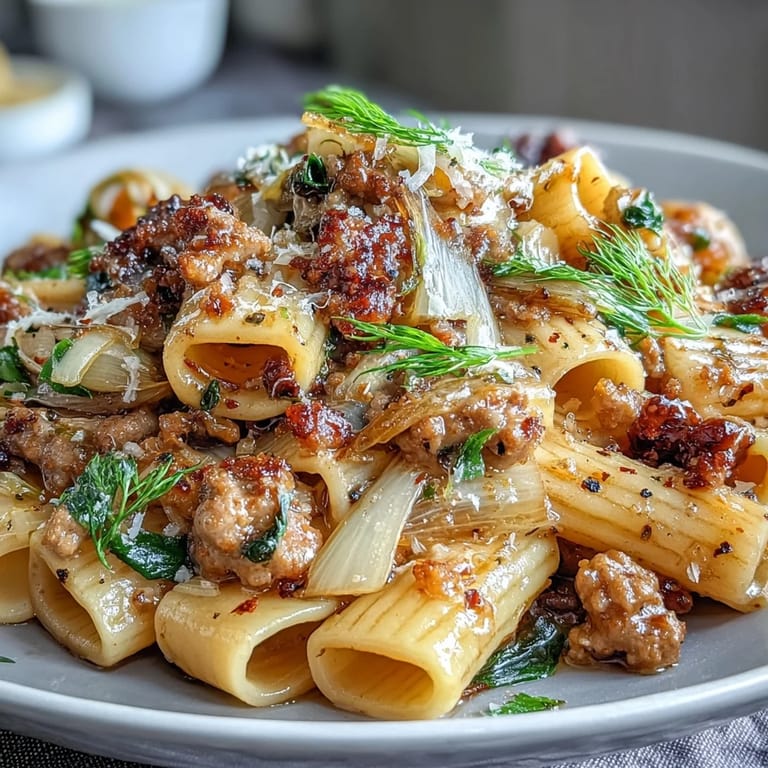
Save There's something about fennel that catches people off guard—that subtle anise whisper that sounds intimidating until you taste it melting into pasta with sausage and realize you've been missing out. I discovered this combination on a particularly gray Tuesday when the kitchen felt too quiet and my pantry needed rescuing, so I grabbed what looked promising and threw it together. Twenty minutes later, I had something warm enough to chase away the chill and simple enough to become a weeknight regular.
My neighbor stopped by unexpectedly one winter evening while I was stirring this pot, and the smell alone got her to stay for dinner. She kept asking what made it taste so different from regular pasta, and I realized halfway through explaining that it wasn't really about any single ingredient—it was the way the sausage browned, how the fennel softened just enough, and that small pour of white wine that seemed to tie everything together like a secret handshake.
Ingredients
- Short pasta (350 g): Penne, rigatoni, or fusilli work best here because they trap the fennel-sausage sauce in all those little nooks and crannies—don't use long pasta or you'll lose half the flavor to the bowl.
- Italian sausage (250 g): Buy it with the casing still on and remove it yourself; the texture breaks down better and browns more evenly than pre-crumbled versions, though honestly both work when you're hungry.
- Fennel bulb (1 large): Slice it thin enough that it wilts into the pasta but thick enough you can still taste its delicate charm; save those feathery fronds on top for a finishing touch that makes it look intentional.
- Onion (1 small): This is your quiet backbone—it sweetens as it cooks and balances the fennel's personality without demanding center stage.
- Garlic (2 cloves): Minced fine so it scatters through everything and doesn't announce itself too loudly.
- Olive oil (2 tbsp): Good quality here matters because there's not much to hide behind; it carries flavor in a way cheap oil simply won't.
- Dry white wine (60 ml): Optional but worth it—the acidity cuts through richness and adds a brightness that makes people wonder what your secret is.
- Red pepper flakes (1/2 tsp): Leave them out if you prefer gentleness, add them if you want a whisper of heat that builds slowly.
- Parmesan cheese (30 g): Fresh grated, never the pre-grated stuff in the green can; it melts into the pasta water and creates something creamy without cream.
- Fennel fronds or parsley: Chop this just before serving so it stays bright and doesn't turn dark and tired looking on the plate.
Tired of Takeout? 🥡
Get 10 meals you can make faster than delivery arrives. Seriously.
One email. No spam. Unsubscribe anytime.
Instructions
- Set the water to boiling:
- Fill a large pot with salted water—it should taste like the sea, as they say—and get it rolling hard before you add anything else. While it heats, you'll have time to prep your vegetables, and that stolen moment of planning makes the whole cook feel less chaotic.
- Cook the pasta:
- Add it to the boiling water and follow the package time but taste it a minute before, because al dente means it should have a tiny bit of resistance when you bite, not soft all the way through. Reserve a mugful of that starchy pasta water before draining—it's liquid gold for pulling everything together later.
- Brown the sausage:
- Heat a tablespoon of olive oil in a large skillet over medium heat, then crumble in your sausage, breaking it apart with the back of a wooden spoon as it cooks. Watch for that mahogany-brown color, which means the meat has rendered its fat and developed flavor—this takes about four or five minutes and smells incredible.
- Soften the fennel and onion:
- Once the sausage is done, push it to the side and add the remaining oil, then scatter in your sliced fennel and onion with a pinch of salt. The salt draws out their moisture so they release their sweetness rather than just sitting there; they'll turn golden and tender in about five minutes, and the kitchen will smell like autumn even though it's winter.
- Add the garlic:
- Once the vegetables soften, add minced garlic and cook for just a minute—any longer and it turns bitter and loses its charm. You'll know it's right when the smell shifts from raw to toasted.
- Deglaze if you're using wine:
- Pour that white wine into the pan and let it bubble and steam for a minute or two, scraping the bottom with your wooden spoon to release all those brown, flavorful bits stuck there. It'll mostly evaporate, which is exactly what you want.
- Bring it all together:
- Return the sausage to the skillet, scatter in red pepper flakes if you're using them, then add your drained pasta directly to the pan along with a splash of that reserved pasta water. Toss everything until it's coated and moving together, then stir in the Parmesan—it'll melt into the starchy liquid and create a light, silky sauce without any cream.
- Taste and finish:
- Crack black pepper over everything, taste for salt (you might not need much because the sausage and cheese already carry salt), then divide among bowls and scatter fennel fronds or parsley on top while everything is still steaming.
 Save
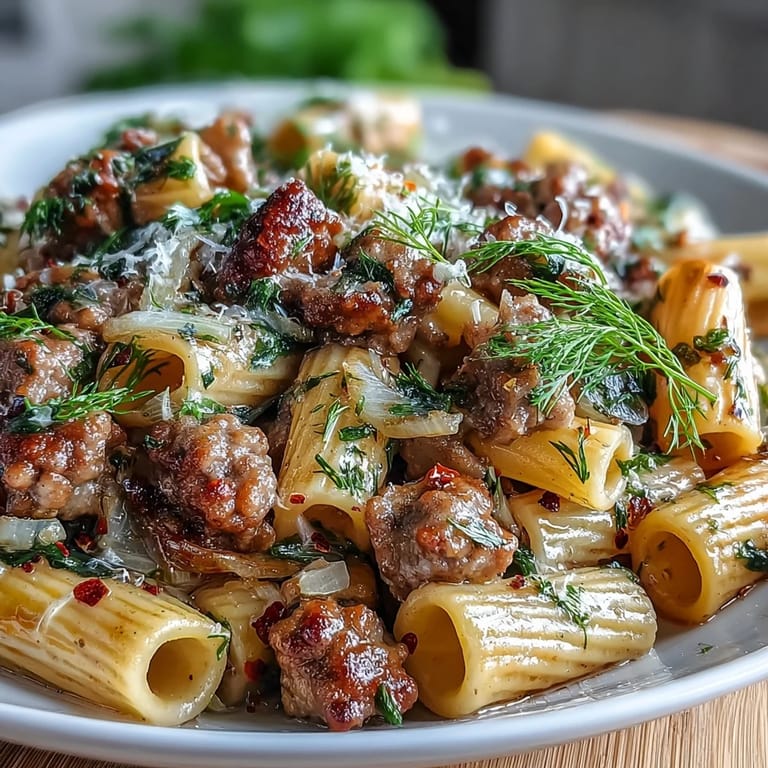
Save The first time someone asked me to make this for them specifically, not just as part of a larger meal, I felt oddly proud. It's not fancy or complicated, but there's something about a dish that makes people feel cared for—something about fennel and sausage in a bowl that says you were thinking about them before they sat down.
When to Make This
This pasta lives for those nights when you want something warm that doesn't require standing over the stove for an hour. Winter is its season, but honestly, I've made it in early fall when the first chill crept in and again in spring when I craved something hearty but not heavy. It's the kind of dish that works equally well for a quiet Tuesday alone or when you have people coming over and you want something that looks more effortless than it actually is.
Making It Your Own
The beauty here is flexibility without sacrificing the dish's heart. Skip the sausage if that's not your path, and use a plant-based version instead—I've done it and the fennel carries enough personality that you won't feel like something's missing. A handful of baby spinach or torn kale stirred in at the end brings color and nutrition, and a pinch more red pepper flakes transforms it from gentle to something with attitude.
Pairing and Storage
A crisp white wine—Pinot Grigio, Vermentino, or something similarly bright—sits beside this bowl like they were always meant to be together, each sip balancing the richness of the sausage. Leftover pasta keeps in the fridge for two days, and while reheating makes it denser than the first evening, it never tastes bad, just different.
- Serve this with crusty bread and watch people soak up every drop of sauce without hesitation.
- The fennel fronds aren't just pretty—they taste like a lighter echo of the bulb underneath, adding freshness at the finish.
- If you find yourself cooking this twice in a month, you've found your dish, so lean into it.
 Save
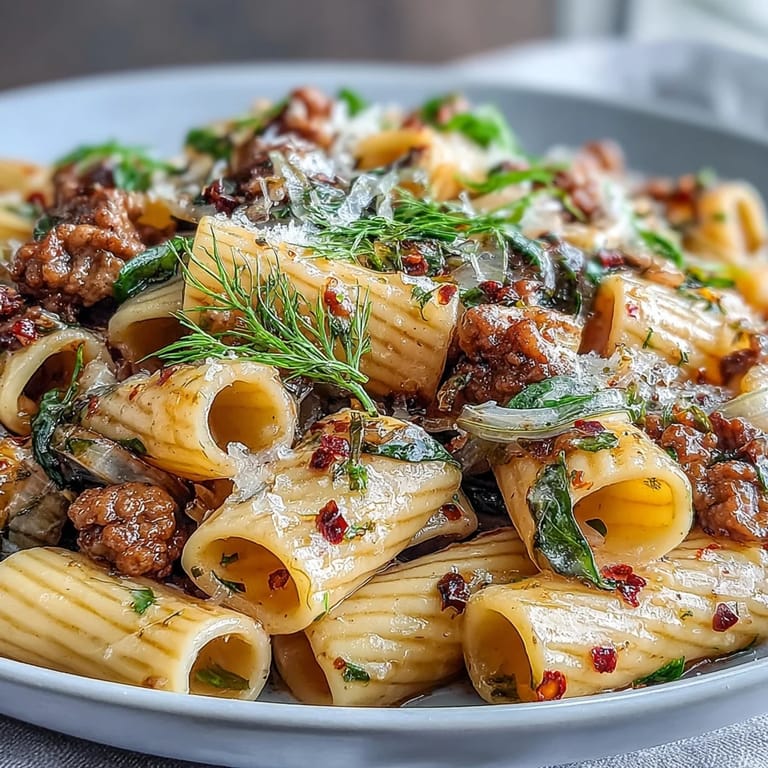
Save This recipe proves that the best dishes don't need to be complicated or demand hours in the kitchen. Sometimes all you need is patience to let simple ingredients become something greater than themselves.
Recipe FAQs
- → Can I make this vegetarian?
Absolutely. Simply omit the Italian sausage entirely or substitute with plant-based sausage crumbles. The fennel and aromatics provide plenty of flavor on their own, and the Parmesan (or vegan alternative) adds richness. You might want to increase the fennel to 1.5 bulbs to maintain substance.
- → What pasta shapes work best?
Short pasta with ridges or tubes are ideal here—penne, rigatoni, fusilli, or gemmate catch the light sauce and bits of fennel and sausage beautifully. The texture helps hold onto every drop of the flavorful cooking liquid. If you only have spaghetti or linguine, those work too, though you'll want to be extra diligent about reserving pasta water for sauce consistency.
- → Is fresh fennel necessary?
Fresh fennel bulb is essential for this dish's signature flavor profile—its mild anise notes become sweet and mellow when cooked. While you can substitute with fennel seeds for aroma, they won't provide the tender vegetable component. If you absolutely can't find fresh fennel, try celeriac or thinly sliced celery with a teaspoon of fennel seeds, though the taste will differ.
- → Can I prepare this ahead?
The components can be prepped in advance: slice your fennel and onion, mince the garlic, and remove sausage casings up to a day ahead. However, this dish shines when served immediately—the sauce is best when freshly emulsified with hot pasta water. If you must reheat, add a splash of water and warm gently over low heat, tossing frequently.
- → What wine pairs well?
A crisp Italian white like Pinot Grigio, Vermentino, or Soave complements the fennel's aromatic notes and cuts through the sausage's richness. If you prefer red, a light Barbera or young Chianti works nicely without overpowering the delicate flavors. The same white wine used for cooking makes an excellent table pairing.
- → How spicy is this dish?
As written, the red pepper flakes provide gentle warmth—you can adjust from none to 1 teaspoon depending on your spice preference. If using spicy Italian sausage instead of sweet, consider reducing or omitting the flakes entirely. The heat should enhance, not dominate, the fennel's natural sweetness.