 Save
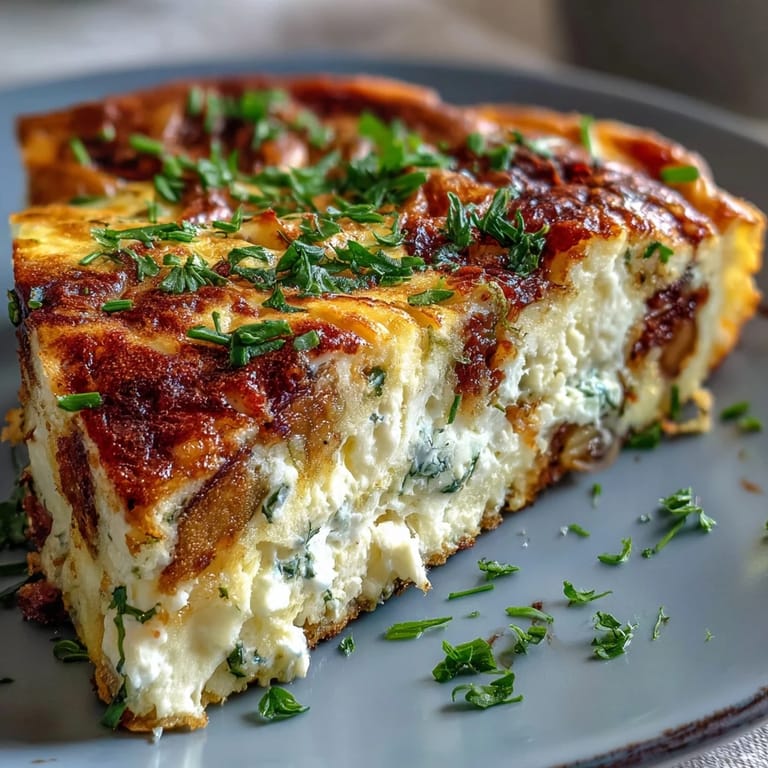
Save My neighbor knocked on my door one April morning with a basket of fresh asparagus from her garden, and I suddenly realized I had no idea what to do with a bunch of spindly green stalks beyond roasting them. That afternoon, I threw together eggs, some goat cheese I had lingering in the fridge, and those asparagus spears in a hot skillet—and somehow created something so effortlessly elegant that it became my go-to move for spring entertaining. The frittata turned out to be less of a breakfast thing and more of a gateway into feeling like I could actually cook.
I made this for my sister's surprise brunch last May, and watching her face when she realized I'd actually cooked something that wasn't from a box made the whole wobbly egg situation worth it. She brought her new partner, and somehow a homemade frittata started a conversation about farmers markets that lasted through coffee refills. That's when I understood the real reason people make this dish—it's an excuse to gather people around something warm and unpretentious.
Ingredients
- Asparagus: Buy it when it's in season and snap off the woody bottoms with your hands rather than cutting—they naturally break where the tender part begins, and it's oddly satisfying.
- Eggs: Room temperature ones blend more smoothly, but honestly this frittata forgives a lot, so don't stress if you forget to plan ahead.
- Goat cheese: The tanginess is essential here—it cuts through the richness of the eggs and makes the whole thing feel less heavy than you'd expect.
- Fresh chives and dill: These aren't decorative; they transform the flavor from plain to purposeful in the last moment.
- Olive oil and butter: Use the olive oil for its flavor and the butter for richness when sautéing the vegetables—each does something different.
Tired of Takeout? 🥡
Get 10 meals you can make faster than delivery arrives. Seriously.
One email. No spam. Unsubscribe anytime.
Instructions
- Heat your oven and get your pan ready:
- Set the oven to 180°C and let it warm while you prep. Use a 25–28 cm ovenproof skillet—cast iron works beautifully here because it distributes heat evenly and looks good bringing straight to the table.
- Sauté the aromatics:
- Heat olive oil over medium heat and add your red onion, letting it soften for a few minutes until the edges turn translucent. You'll smell it getting sweeter as it cooks.
- Cook the asparagus and spinach:
- Add the asparagus pieces and cook, stirring now and then, until they lose their raw crunch but still have a slight bite—about 4–5 minutes. Toss in the spinach at the end and let it wilt into the pan.
- Whisk the egg mixture:
- In a bowl, crack your eggs and whisk them with milk, salt, pepper, and half your fresh herbs. This step takes 30 seconds and makes the eggs fluffier by adding air.
- Combine everything in the pan:
- Lower the heat to low, pour the egg mixture over the vegetables, then scatter goat cheese across the top and finish with Parmesan. Let it cook undisturbed for 4–5 minutes—you're looking for the edges to set while the center stays jiggly.
- Finish in the oven:
- Transfer the whole skillet to the hot oven and bake for 10–12 minutes until the center is just set and the top catches a light golden color. If you overbake it, the texture becomes bouncy instead of creamy, so check at 10 minutes.
- Rest and serve:
- Let it sit for 5 minutes—this helps it hold together when you slice it. Garnish with the remaining fresh herbs and a pinch of red pepper flakes if you're feeling it.
 Save
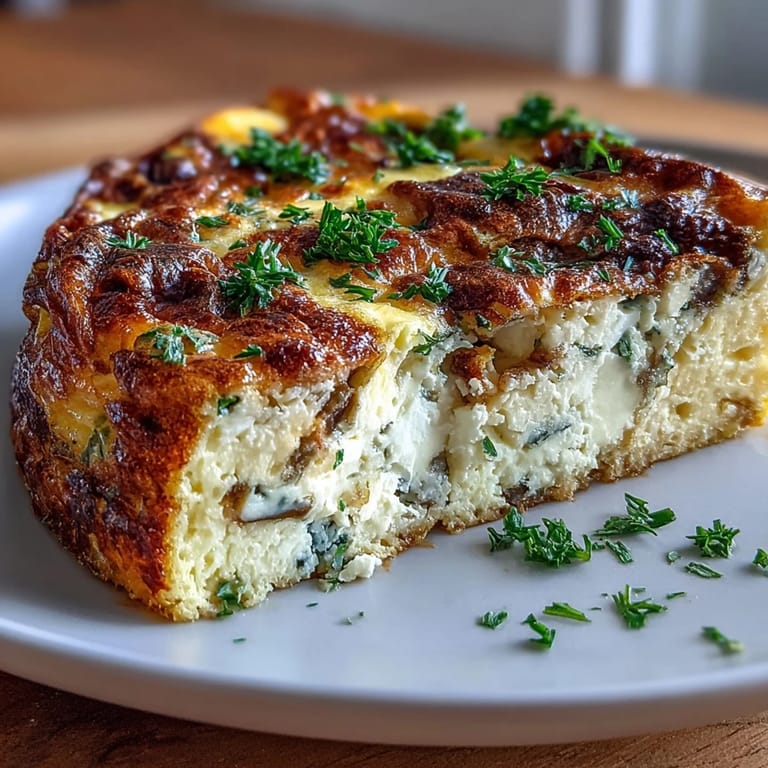
Save There's something quietly beautiful about a frittata at room temperature on a picnic blanket—it's when I realized this wasn't just a weeknight shortcut, but an actual dish worth making and thinking about. My nephew even asked for seconds, which, coming from a twelve-year-old, felt like the highest compliment.
Why Spring Vegetables Matter Here
Spring asparagus and spinach aren't interchangeable with their winter versions—they're sweeter, more delicate, and actually want to be in an egg dish rather than subjected to roasting. When you cook them gently in a frittata, their natural flavor shines instead of getting lost. Honestly, the vegetables carry so much of the load that you could serve this with just a simple salad and feel complete.
The Goat Cheese Question
Goat cheese gets polarizing reactions, so know your audience before you commit. If someone's not into it, swap for crumbled feta, which is sharper, or ricotta, which is milder and creamier. The beauty of a frittata is that it's forgiving enough to handle substitutions without falling apart. I've made it five different ways now, and it's never been bad—just subtly different.
Making This Work for Your Schedule
The real genius of a frittata is that it works warm, room temperature, or even cold the next day, so you can make it the night before and just reheat it gently. I've assembled the vegetables hours ahead and kept them in the fridge, then whipped the eggs and cooked everything in one go—which makes mornings feel less chaotic. This flexibility means you can actually plan to serve it instead of it being a last-minute scramble.
- Prep vegetables the night before and store them in an airtight container to save time when you're cooking.
- Leftover frittata tastes great cold straight from the fridge or warmed gently in a 160°C oven for 10 minutes.
- Double the recipe in a larger skillet if you're feeding more than four people—the cooking time stays about the same.
 Save
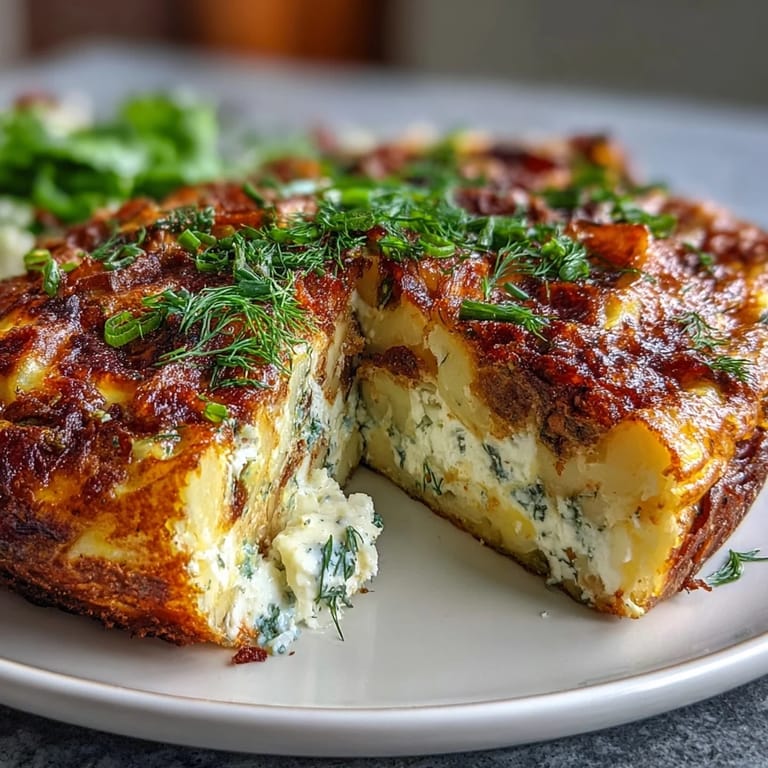
Save This frittata became my answer to the question of how to cook something that feels intentional without spending your whole morning in the kitchen. Make it when the asparagus is perfect, or whenever you need something that tastes like spring.
Recipe FAQs
- → How do I prevent the frittata from overcooking?
Cook it undisturbed on the stove until edges set but center remains slightly runny, then finish baking briefly until just set and lightly golden.
- → Can I substitute goat cheese with other cheeses?
Yes, feta or ricotta make excellent alternatives adding distinct flavor profiles to the dish.
- → What vegetables complement asparagus in this dish?
Baby spinach and red onion provide balance, while peas or leeks can be added for variety.
- → Is this dish suitable for gluten-free diets?
Yes, the dish is naturally gluten-free. Just ensure any cheeses used are gluten-free certified.
- → What herbs enhance the flavor?
Fresh chives and dill add brightness and depth, with optional red pepper flakes for a subtle kick.