 Save
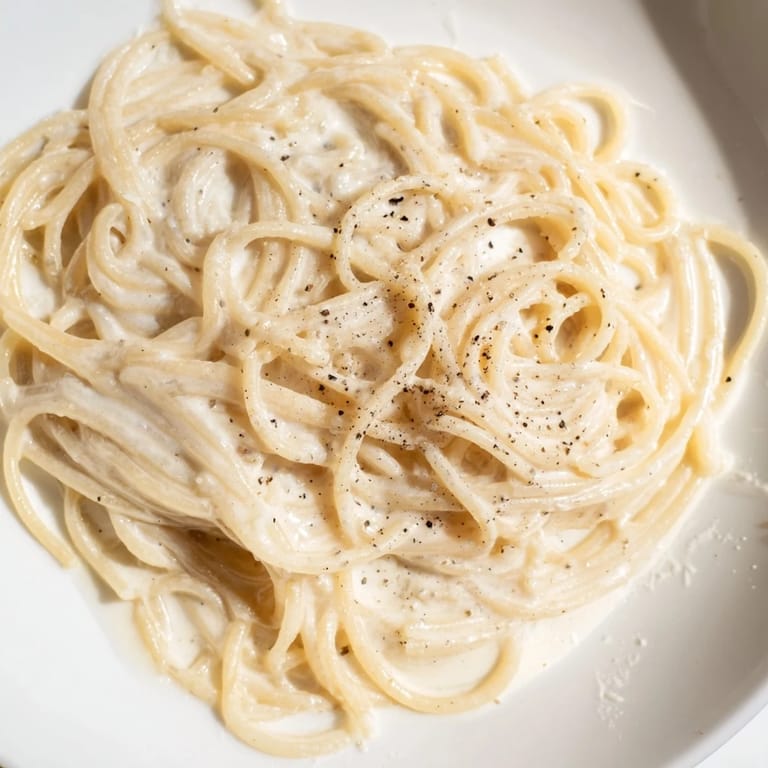
Save The skillet was still warm from dinner when my neighbor knocked, holding a wedge of Pecorino and a pepper grinder. She'd just returned from Rome and wanted to show me what real cacio e pepe tasted like. We boiled water, grated cheese, and within twenty minutes I understood why this dish has survived centuries with just three ingredients. The sauce clung to every strand, creamy without cream, sharp without being aggressive. I've made it dozens of times since, and it never stops feeling like a small act of magic.
I made this for my brother the night before he moved across the country. We sat at my tiny kitchen table with mismatched bowls, twirling pasta and talking about nothing important. He went back for seconds, then thirds, scraping his bowl clean with the side of his fork. When he texted me a week later asking for the recipe, I realized he wasn't just missing the pasta.
Ingredients
- Spaghetti (400 g): The classic choice for cacio e pepe because its smooth surface lets the sauce coat every bite without clumping, and it twirls beautifully on a fork.
- Pecorino Romano cheese (120 g, finely grated): This is the soul of the dish, salty and sharp with a slight funk that Parmesan can't replicate, and it must be freshly grated or it won't melt into that silky sauce.
- Freshly cracked black pepper (2 tsp, plus extra): Toasting it in the pan wakes up its floral, almost citrusy notes, turning it from a background spice into the co-star.
- Salt: For the pasta water, which should taste like the sea and becomes part of the sauce itself.
Tired of Takeout? 🥡
Get 10 meals you can make faster than delivery arrives. Seriously.
One email. No spam. Unsubscribe anytime.
Instructions
- Boil the pasta:
- Bring a large pot of well-salted water to a rolling boil and cook the spaghetti until it still has a slight bite in the center. Before draining, scoop out a full cup of that starchy, cloudy pasta water and set it aside.
- Toast the pepper:
- While the pasta cooks, add the black pepper to a large dry skillet over low heat and let it sizzle for a minute or two until you can smell it across the kitchen. This step is where the magic starts, so don't rush it.
- Create the base:
- Pour about half a cup of the hot pasta water into the skillet with the toasted pepper and let it bubble gently. This peppery broth is the foundation of your sauce.
- Toss the pasta:
- Add the drained spaghetti directly to the skillet and toss it around with tongs until every strand is coated in that peppery liquid. The pasta should glisten and move easily in the pan.
- Add the cheese:
- Turn the heat to the lowest setting and sprinkle in the Pecorino a handful at a time, tossing constantly and adding splashes of reserved pasta water as you go. The cheese should melt into a creamy, glossy sauce that clings to the pasta without clumping or turning gritty.
- Serve immediately:
- Divide the pasta among warm bowls and finish with extra grated Pecorino and a generous grind of black pepper. Cacio e pepe waits for no one, so eat it while it's hot.
 Save
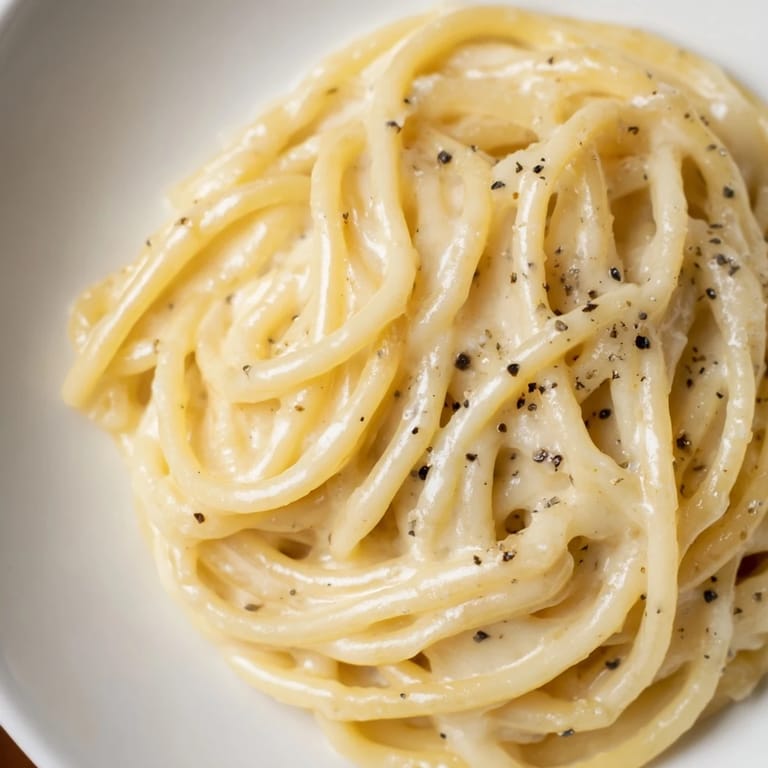
Save One evening, a friend who claimed she didn't like pasta tried this and went quiet for three bites. Then she looked up and said it tasted like someone had distilled comfort into a bowl. I've never heard a better description. It's the kind of dish that makes you wonder why we ever complicate things.
Choosing Your Cheese
Pecorino Romano is the traditional choice, and for good reason. It's made from sheep's milk, which gives it a sharper, more assertive flavor than cow's milk Parmesan. The first time I used Parmigiano Reggiano instead, the dish was pleasant but too mild, like listening to a symphony with the volume turned down. If you can't find good Pecorino, look for a blend labeled for cacio e pepe, but avoid anything pre-shredded. The difference between freshly grated and bagged cheese is the difference between a sauce and a pile of sandy crumbs.
Getting the Texture Right
The sauce should look almost too loose in the pan, like a glossy puddle coating the pasta. It will thicken as it cools, so if you aim for the perfect consistency while cooking, it'll turn gummy by the time you sit down. I learned this the hard way after serving a batch that looked beautiful in the skillet but turned into a sticky mess in the bowls. Now I always add a little more pasta water than I think I need and trust that it will come together on the plate.
What to Serve Alongside
Cacio e pepe is rich enough to stand alone, but a simple green salad with lemon and olive oil cuts through the richness beautifully. I like to pour a crisp white wine, something like Vermentino or Pinot Grigio, which doesn't compete with the pepper. If you want to make it a fuller meal, start with roasted vegetables or a light antipasto, but honestly, a second helping of pasta is usually the best accompaniment.
- A handful of arugula tossed with lemon juice makes a bright, peppery contrast.
- Crusty bread is perfect for mopping up any sauce left in the bowl.
- Leftovers don't reheat well, so plan to finish everything in one sitting.
 Save
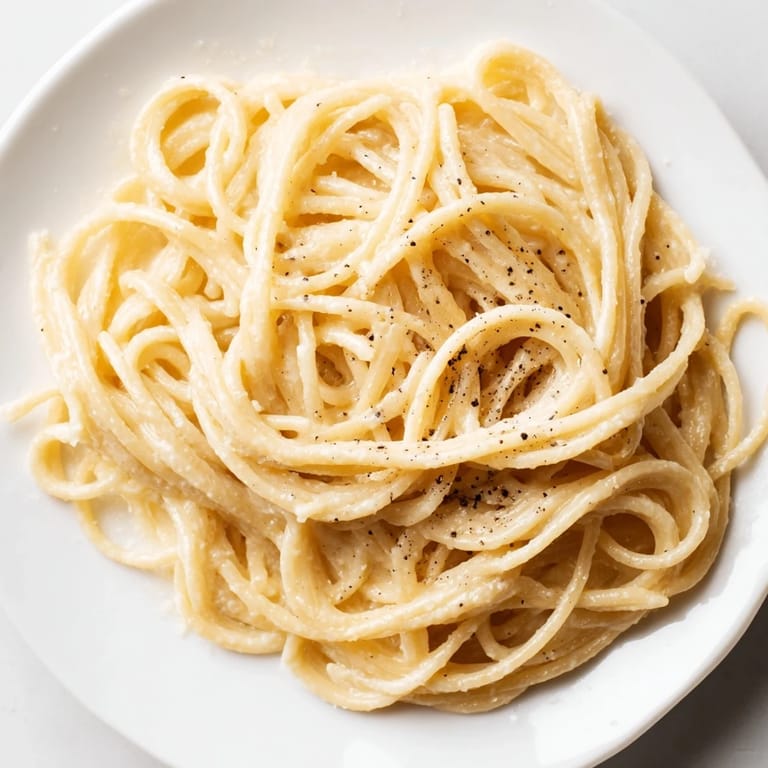
Save This is the kind of recipe that makes you feel capable, even on days when nothing else goes right. You'll make it again and again, each time a little smoother, a little more confident, until it becomes the thing people ask you to cook when they need something honest and good.
Recipe FAQs
- → Why is reserved pasta water essential for this dish?
The starchy pasta water acts as an emulsifier, helping the cheese and pepper combine into a silky sauce without breaking. The starch binds the ingredients together, creating the characteristic creamy texture without any cream.
- → Can I use Parmigiano Reggiano instead of Pecorino Romano?
Yes, Parmigiano Reggiano works as a substitute, though it will provide a milder, less sharp flavor. Pecorino Romano's sharpness is essential to the traditional Roman profile, so the taste will differ noticeably.
- → How do I prevent the cheese from clumping?
Work quickly when adding the grated cheese, tossing continuously and vigorously. Ensure the pasta is hot and toss constantly to distribute the cheese evenly. Add cheese gradually rather than all at once.
- → Should I use pre-grated cheese?
Freshly grated Pecorino Romano is strongly recommended. Pre-grated cheese contains anti-caking agents that prevent proper melting and emulsification, compromising the sauce's silky texture.
- → What wine pairs well with this dish?
Crisp white wines complement the salty, peppery profile beautifully. Vermentino or Pinot Grigio are excellent choices that cut through the richness and enhance the dish's Roman origins.
- → Can this be made vegan?
Traditional Cacio e Pepe contains cheese and is vegetarian but not vegan. Vegan cheese alternatives rarely emulsify properly, so achieving the authentic creamy sauce is difficult with plant-based substitutes.