 Save
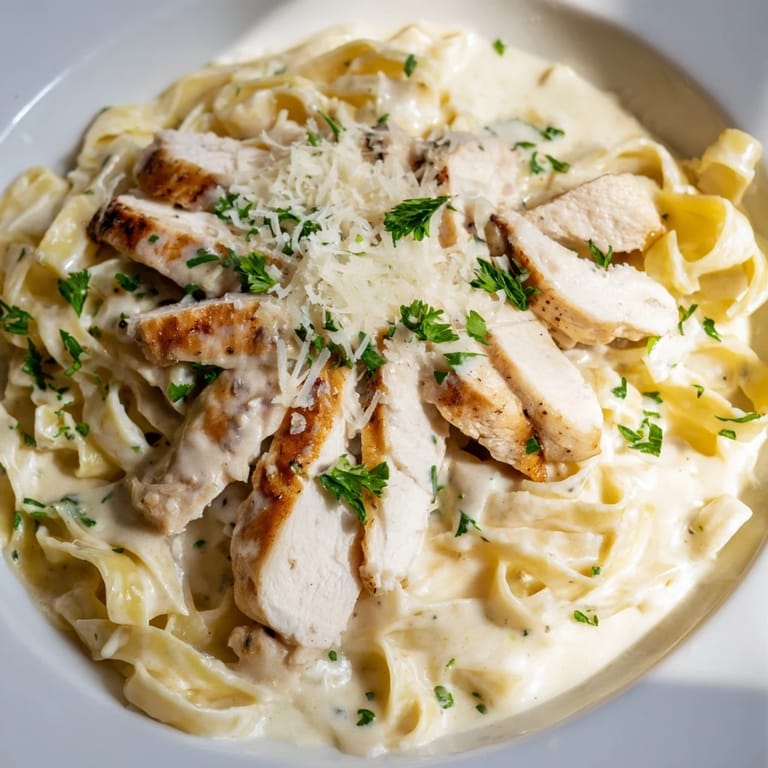
Save A colleague once told me that Alfredo sauce is just fancy butter noodles, and I laughed because she wasn't entirely wrong. But the first time I made this skillet version on a rainy Tuesday after work, I realized it was so much more than that. The way the garlic bloomed in butter, the cream thickening just enough to cling to every strand of pasta, the chicken browning with those perfect golden edges—it all came together in one pan with almost no effort. That night, I ate standing at the stove, twirling fettuccine straight from the skillet, and understood why some recipes become weekly habits.
I made this for my sister the week she moved into her first apartment, back when her kitchen consisted of two pans and a questionable collection of mismatched utensils. She watched me cook from her tiny counter, asking questions about why the pasta water mattered and whether she really needed to reserve it. When we sat down with our bowls, she took one bite and said it tasted like comfort, which is exactly what a good skillet Alfredo should be. Now she makes it every Sunday, sometimes with peas, sometimes with sun-dried tomatoes, and always texts me a photo.
Ingredients
- Boneless, skinless chicken breasts: Slicing them into strips ensures they cook quickly and evenly, and the increased surface area means more browning and flavor in every bite.
- Fettuccine or penne pasta: Fettuccine is traditional and luxurious, but penne holds the sauce in its ridges beautifully and is far more forgiving if you slightly overcook it.
- Unsalted butter: Using unsalted gives you complete control over the seasoning, and butter adds a silky richness that olive oil alone cannot achieve.
- Olive oil: Paired with butter, it raises the smoke point so your garlic and chicken can brown without burning.
- Garlic cloves: Fresh garlic bloomed gently in fat is the aromatic backbone of this dish, so don't skip it or substitute powder.
- Heavy cream: This is what makes the sauce cling and coat, creating that glossy, restaurant-quality finish.
- Freshly grated Parmesan cheese: Pre-grated Parmesan contains anti-caking agents that prevent smooth melting, so grate it yourself for the best texture.
- Low-sodium chicken broth: It loosens the sauce and adds savory depth without making the dish too salty, especially once the Parmesan melts in.
- Freshly grated nutmeg: Just a whisper of nutmeg lifts the cream and cheese into something special, a trick I learned from an Italian neighbor.
- Salt and black pepper: Season the chicken well before cooking so every component tastes intentional, not bland.
- Fresh parsley: A handful of chopped parsley at the end adds color, brightness, and a subtle herbaceous note that cuts through the richness.
Tired of Takeout? 🥡
Get 10 meals you can make faster than delivery arrives. Seriously.
One email. No spam. Unsubscribe anytime.
Instructions
- Boil the pasta:
- Bring a large pot of salted water to a rolling boil and cook your pasta until al dente, with just a little bite left in the center. Reserve half a cup of that starchy pasta water before draining—it's liquid gold for adjusting your sauce later.
- Sear the chicken:
- Heat olive oil and butter in a large skillet over medium-high heat until shimmering, then add seasoned chicken strips in a single layer. Let them sit undisturbed for a few minutes to develop a golden crust, then flip and cook through before setting them aside.
- Bloom the garlic:
- Lower the heat to medium, add the remaining butter and oil, then toss in minced garlic and stir constantly for about a minute until it smells toasty and sweet. Be careful not to let it brown too much or it will taste bitter.
- Build the sauce base:
- Pour in chicken broth and scrape up all those flavorful browned bits stuck to the pan, then add heavy cream and a pinch of nutmeg. Let it simmer gently until it thickens just slightly, about two to three minutes.
- Melt in the Parmesan:
- Reduce the heat to low and stir in freshly grated Parmesan a handful at a time, whisking until each addition melts smoothly into the sauce. Patience here prevents clumping and ensures a velvety finish.
- Combine everything:
- Add the cooked pasta and seared chicken back into the skillet, tossing gently to coat every piece in that creamy sauce. If it looks too thick, add reserved pasta water a splash at a time until it reaches the perfect consistency.
- Adjust and garnish:
- Taste and add more salt or pepper if needed, then finish with a generous sprinkle of fresh parsley and extra Parmesan if you're feeling indulgent. Serve immediately while it's hot and glossy.
 Save
Save One evening, my neighbor knocked on my door holding a bottle of wine and asked what smelled so good. I invited her in, she grabbed a fork, and we ended up eating straight from the skillet at my kitchen counter, talking until the pasta was gone and the wine bottle was empty. That's when I realized this dish has a way of turning ordinary nights into little celebrations, the kind you remember not because they were planned, but because they felt easy and right.
Making It Your Own
This recipe is endlessly flexible, which is part of why it's become such a reliable go-to in my kitchen. I've stirred in handfuls of baby spinach during the last minute of cooking, watched it wilt into the sauce, and felt virtuous about sneaking in greens. Sautéed mushrooms add an earthy richness that plays beautifully with the cream, and sun-dried tomatoes bring a sweet-tart punch that cuts through the richness. Some nights I skip the chicken entirely and double the vegetables, turning it into a vegetarian dinner that still feels indulgent. The backbone of butter, garlic, cream, and Parmesan stays the same, but the dish never gets boring.
Storing and Reheating
Leftovers keep well in an airtight container in the fridge for up to three days, though the sauce will thicken as it cools. When reheating, I always add a splash of milk or chicken broth to loosen it back up, warming it gently in a skillet over low heat while stirring constantly. The microwave works in a pinch, but the stovetop method brings the sauce back to life in a way that feels almost like freshly made. I've learned the hard way that reheating on high heat will cause the sauce to separate, so patience is key. If you're planning to make this ahead, slightly undercook the pasta so it doesn't turn mushy when reheated.
Serving Suggestions
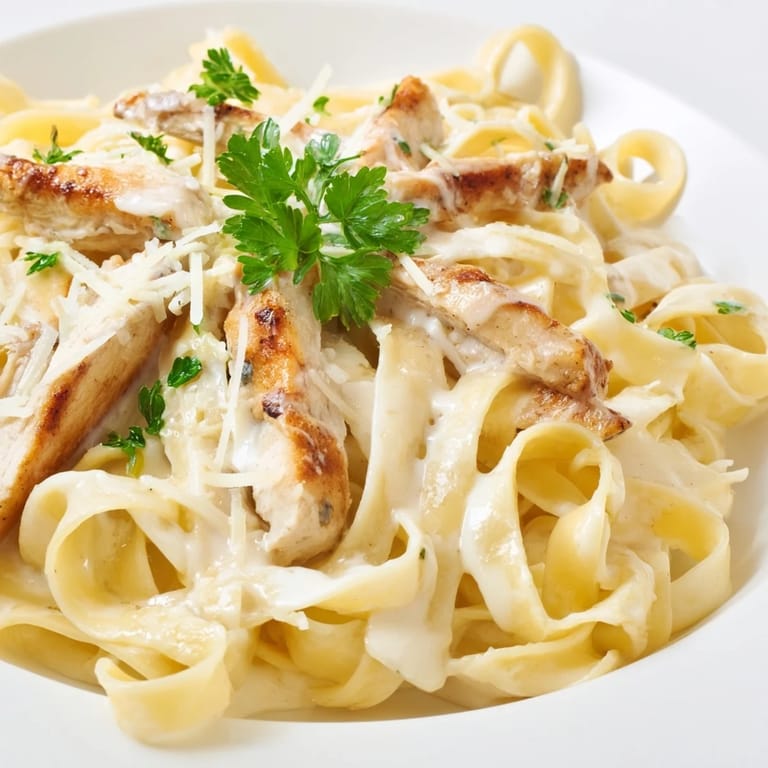
This skillet chicken Alfredo is rich enough to stand on its own, but I love pairing it with a simple arugula salad dressed in lemon and olive oil to balance all that cream. A crusty baguette for mopping up extra sauce is never a bad idea, and a crisp white wine like Pinot Grigio or Sauvignon Blanc cuts through the richness beautifully. On nights when I want to stretch the meal further, I'll roast some broccoli or green beans on the side, letting their charred edges add a smoky contrast to the creamy pasta.
- Serve with garlic bread for the ultimate carb-on-carb comfort experience.
- Add a squeeze of lemon juice over the top just before serving for a bright, unexpected lift.
- If you're feeding kids, leave the nutmeg out and they'll never know it's missing.
 Save
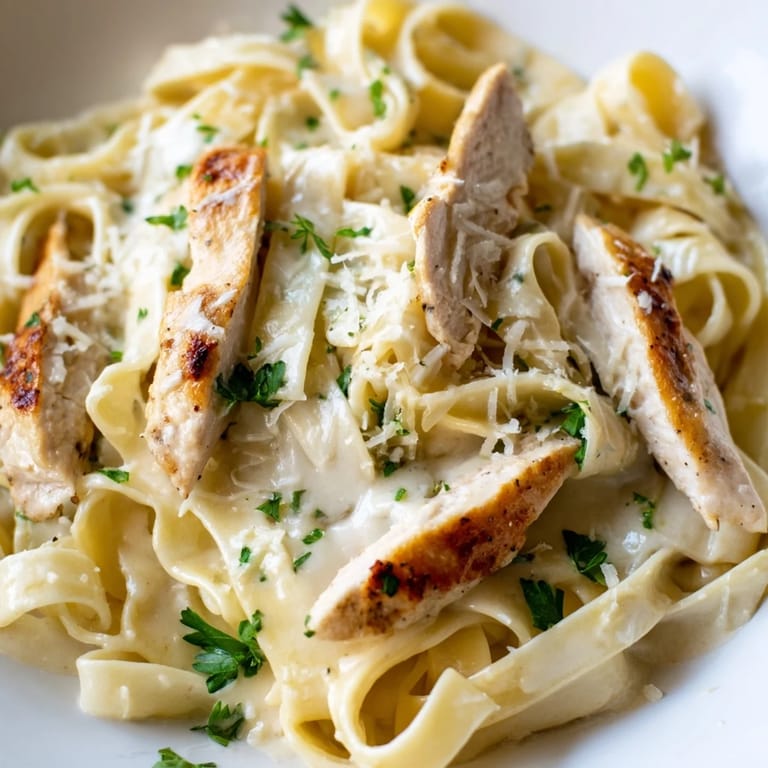
Save This is the kind of recipe that makes you feel capable in the kitchen, even on days when nothing else goes right. I hope it becomes a regular in your home, the way it has in mine.
Recipe FAQs
- → Can I use chicken thighs instead of breasts?
Yes, boneless thighs work well and stay juicy. They may require an extra 2-3 minutes of cooking time to ensure they're cooked through.
- → How do I prevent the sauce from breaking?
Keep the heat at medium or lower when adding cream and cheese. Add cheese gradually while stirring constantly, and avoid boiling the sauce vigorously.
- → What pasta shapes work best?
Fettuccine and penne are traditional choices, but any ribbon or tube pasta that holds sauce well works beautifully, including tagliatelle or rigatoni.
- → Can I make this ahead of time?
It's best served fresh, but you can prepare components separately. Store chicken and sauce in airtight containers for up to 2 days and combine when reheating gently.
- → What can I add for extra vegetables?
Sautéed mushrooms, spinach, sun-dried tomatoes, or fresh peas complement the sauce beautifully. Add them before tossing in the pasta.
- → How do I thin the sauce if it's too thick?
Gradually add reserved pasta water a tablespoon at a time while stirring, or use chicken broth. This keeps the flavor balanced while reaching desired consistency.