 Save
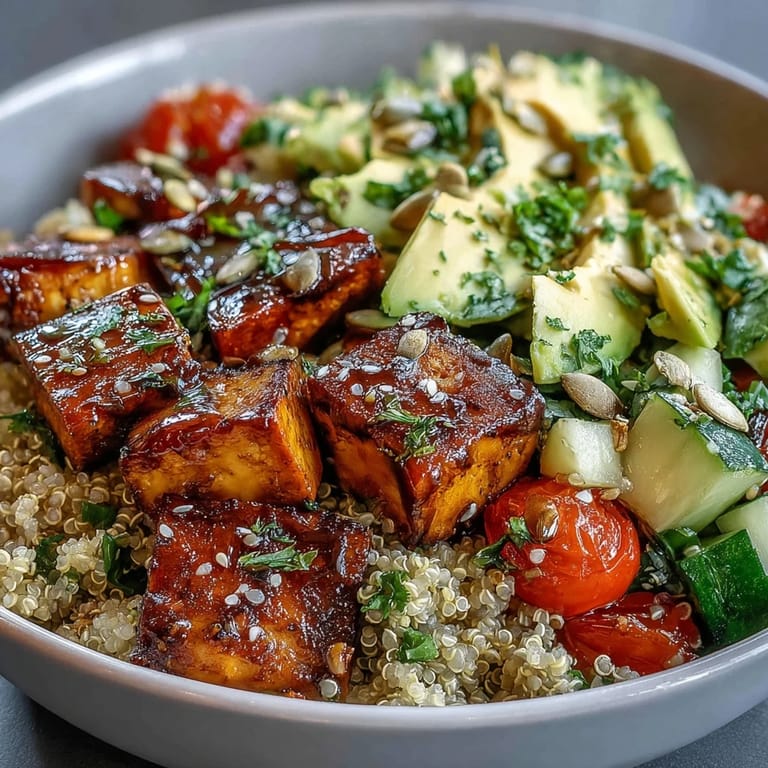
Save I discovered the magic of grain bowls not through a recipe, but through sheer laziness on a Tuesday afternoon. I had half a container of quinoa, some cherry tomatoes going soft in the crisper, and a block of tofu that needed rescuing. Instead of turning them into separate dishes, I tossed them together in a bowl with whatever dressing I could cobble together, and suddenly lunch became the most satisfying thing I'd eaten all week. That bowl taught me that the best meals don't always require complicated technique—sometimes they just need intention and fresh ingredients arranged with care.
I made this for my roommate once when she came home exhausted from a brutal day at work. She watched me arrange the colorful toppings with such skepticism—until she took one bite and went quiet. That silence meant everything. She asked for the recipe the next day, and now whenever life gets overwhelming, she makes one of these bowls. Somehow, the act of building something so deliberately nutritious becomes its own form of self-care.
Ingredients
- Brown rice, quinoa, or farro: The foundation that anchors everything else—pick based on what your body needs that day, whether it's the earthiness of brown rice, the protein punch of quinoa, or the chewy satisfaction of farro.
- Chickpeas, grilled chicken, pan-seared tofu, or shrimp: Choose one or mix them depending on your hunger level and what protein speaks to you; they each bring completely different textures and flavors to the bowl.
- Cherry tomatoes: They burst with sweetness when halved and stay firm enough to provide texture without getting mushy.
- Cucumber: The crisp, cool counterpoint that keeps everything from feeling heavy or one-note.
- Shredded carrots: Add natural sweetness and a satisfying crunch that holds up even if the bowl sits for a few hours.
- Avocado: The creamy luxury that transforms a simple bowl into something luxurious—slice it just before serving or it'll turn gray and sad.
- Red onion: Thin slices wake up your palate and add a gentle bite that makes all the other flavors pop brighter.
- Feta cheese: Optional but game-changing if you're not dairy-free; it adds a tangy, salty dimension that no other ingredient replaces.
- Toasted pumpkin seeds: The textural surprise that catches people off guard in the best way, plus they're packed with minerals your body actually wants.
- Fresh herbs: Parsley, cilantro, or basil—whichever you choose becomes the aromatic signature of your particular bowl.
- Olive oil, lemon juice, apple cider vinegar, Dijon mustard, garlic: The dressing is where the entire bowl comes alive, so don't skip it or drench it in store-bought stuff.
Tired of Takeout? 🥡
Get 10 meals you can make faster than delivery arrives. Seriously.
One email. No spam. Unsubscribe anytime.
Instructions
- Choose and cook your grain:
- Follow the package instructions for whichever grain you're using, then let it cool just enough that it won't wilt any delicate vegetables you'll add later. A slightly warm grain actually absorbs the dressing better, so timing this right matters.
- Prepare your protein:
- If you're grilling chicken, pan-searing tofu, or cooking shrimp, do that now and let it cool to room temperature so it won't steam everything around it. If you're using pre-cooked chickpeas, just drain and rinse them, and maybe toss them in a hot pan for two minutes to wake them up.
- Make the dressing:
- Whisk the olive oil, lemon juice, apple cider vinegar, Dijon mustard, and minced garlic together until they're emulsified and happy. Taste it and adjust—more acid if it feels flat, more oil if it's too sharp, salt and pepper until it tastes like something you actually want to eat.
- Assemble with intention:
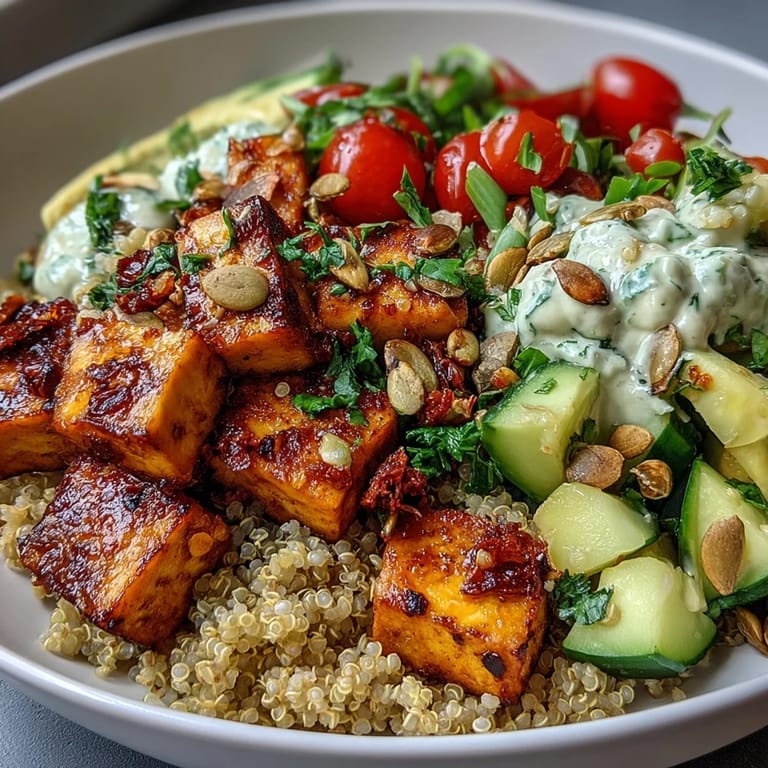
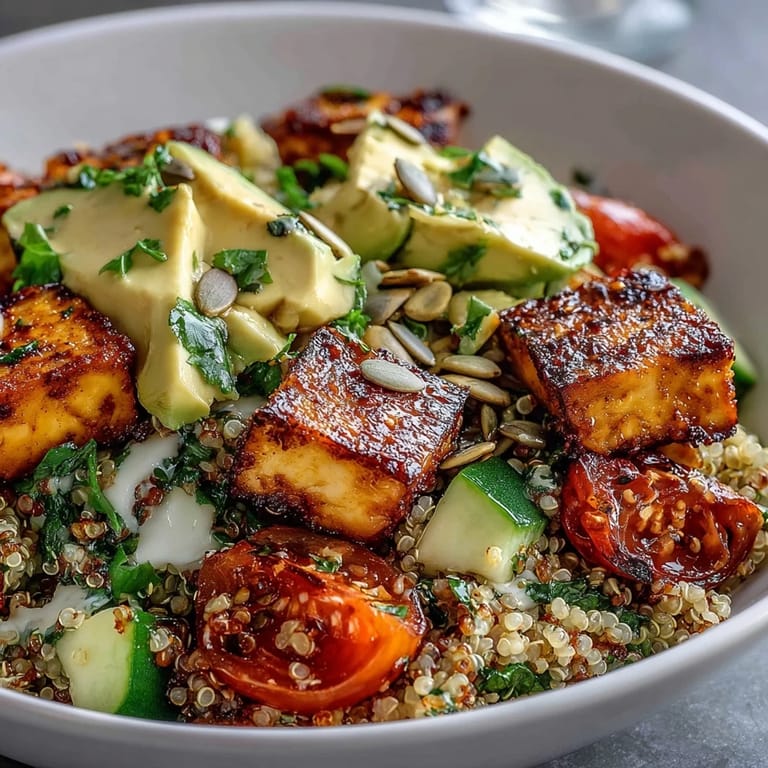
- Arrange the grain as your base, then layer on protein, vegetables, avocado, red onion, cheese if using, pumpkin seeds, and herbs. Building the bowl thoughtfully means every spoonful tastes balanced instead of one-dimensional.
- Dress it right before eating:
- Drizzle the dressing over everything just as you're about to take that first bite, or keep it separate and let people dress their own—both are valid approaches depending on whether this is meal prep or a fresh lunch.
 Save
Save There was a moment during a difficult season when these bowls became my anchor. Not because they were fancy or trendy, but because the repetition of chopping, arranging, and dressing reminded me that I could still take care of myself, even when everything else felt chaotic. The ritual became meditation, and the bowl became proof that I was trying.
Why This Bowl Never Gets Boring
The real genius of this recipe is its flexibility without sacrificing intentionality. You're not just throwing random things together; you're making deliberate choices about what your body needs that day. Some mornings you want the lightness of quinoa and shrimp, other days you crave the grounding weight of farro and chickpeas. The framework stays the same, but the experience is endlessly different.
Seasonal Variations That Actually Matter
Summer calls for extra cucumber and herbs, maybe grilled shrimp and more lemon. Fall wants roasted vegetables mixed in with the raw toppings, warmer spices in the dressing, perhaps toasted seeds. Winter appreciates roasted roots alongside fresh greens, and spring begs for tender herbs and the first good tomatoes. Building these bowls teaches you to eat with the seasons instead of against them, which changes everything about how food tastes and how your body feels.
Dressing Wisdom and Last-Minute Thoughts
The dressing is genuinely the difference between a bowl that tastes like duty and one that tastes like love. Don't under-dress it, and don't be afraid to customize the dressing based on what protein and toppings you've chosen. A shrimp bowl wants different seasoning notes than a tofu bowl, and recognizing that subtlety elevates the entire experience.
- If you're adding a fried or poached egg, let the runny yolk become your dressing—it's unexpected luxury that changes everything.
- Cook extra grain on Sunday and store it separately so you can assemble these bowls in literally five minutes any weeknight.
- Taste everything before it goes into the bowl, especially the dressing—seasoning it properly at the end makes every other ingredient taste better.
 Save
Save These bowls remind me that the most nourishing meals don't need to be complicated or time-consuming—they just need attention and fresh ingredients that you actually want to eat. Make one this week and notice how it changes the way you feel.
Recipe FAQs
- → Which grain works best for meal prep?
Brown rice and quinoa hold up beautifully for meal prep, maintaining texture for 3-4 days when refrigerated. Cook grains in advance and store them separately from toppings to prevent sogginess.
- → Can I make this gluten-free?
Absolutely. Simply choose rice or quinoa as your grain base, and skip the farro. Double-check that your other ingredients, particularly condiments and seasonings, are certified gluten-free.
- → What protein options work best?
Chickpeas provide excellent plant-based protein and creamy texture. For meat options, grilled chicken adds heartiness, while shrimp offers a lighter touch. Pan-seared tofu develops crispy edges that contrast nicely with the fresh vegetables.
- → How do I prevent the bowl from becoming soggy?
Store your dressing separately and drizzle it over just before eating. Also, keep moist ingredients like tomatoes and cucumbers in their own containers until you're ready to assemble your bowl.
- → Can I add warm elements?
Yes. A fried or poached egg adds richness and runny yolk that coats the grains beautifully. You can also serve your protein warm while keeping the vegetables crisp and refreshing.
- → What vegetables work well in grain bowls?
Cherry tomatoes, cucumbers, shredded carrots, and sliced avocado provide excellent texture and flavor. You can also add roasted vegetables, sautéed greens, or fresh spinach depending on the season and your preference.