 Save
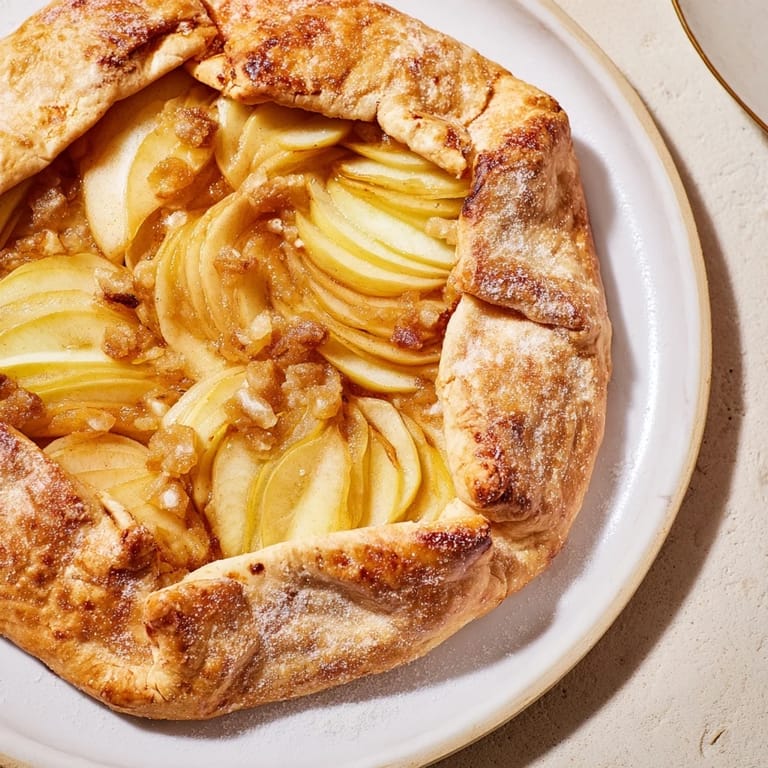
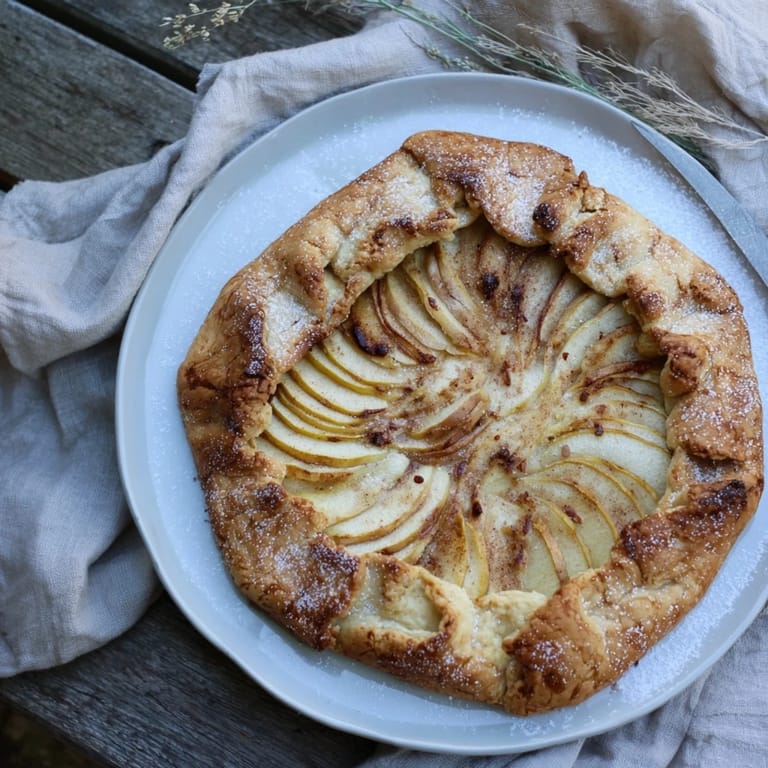
Save I started making galettes on a Sunday when I didn't want to fuss with a pie tin. The dough was softer than I expected, and when I folded the edges over the pears, they cracked in places, but it still baked up beautifully. That imperfection became the charm. Now I make this pear and ginger version whenever I need something impressive without the pressure of perfection.
The first time I brought this to a dinner party, someone asked if I'd bought it from a patisserie. I laughed because the edges were uneven and one side had browned faster than the other. But when we cut into it, the filling was soft and fragrant, the crust shattered under the knife, and no one cared about symmetry anymore.
Ingredients
- All-purpose flour: The foundation of your pastry, it should be measured lightly and not packed down or the dough will be tough.
- Unsalted butter, cold and cubed: Cold butter creates steam pockets that make the pastry flaky, so keep it chilled until the moment you use it.
- Salt: Just a pinch balances the sweetness and sharpens the flavor of the butter.
- Ice water: Add it slowly, the dough needs just enough to hold together without becoming sticky.
- Granulated sugar: A little sweetness in the dough complements the fruit without making it cloying.
- Ripe pears, peeled, cored, and thinly sliced: Use firm-ripe pears like Bosc or Anjou, they hold their shape better than overly soft ones.
- Crystallized ginger, finely chopped: This adds chewy bursts of spice throughout the filling and pairs beautifully with the ground ginger.
- Light brown sugar: It melts into the pears and creates a light caramel flavor as it bakes.
- Lemon juice: Brightens the fruit and keeps the pears from browning while you prep everything else.
- Ground ginger: Adds warmth and depth, especially when combined with the crystallized ginger.
- Ground cinnamon: A supporting note that rounds out the spice without taking over.
- Cornstarch: Thickens the juices so the filling doesn't turn the pastry soggy.
- Egg, beaten: Brushed on the crust, it gives the galette a glossy, golden finish.
- Turbinado or coarse sugar: Optional but worth it for the slight crunch and sparkle on top.
Tired of Takeout? 🥡
Get 10 meals you can make faster than delivery arrives. Seriously.
One email. No spam. Unsubscribe anytime.
Instructions
- Make the Pastry:
- In a large bowl, whisk together flour, sugar, and salt, then add the cold butter cubes. Use your fingertips or a pastry blender to work the butter into the flour until it looks like coarse sand with a few pea-sized pieces remaining.
- Bring It Together:
- Drizzle in ice water one tablespoon at a time, mixing gently with a fork until the dough just begins to clump. Press it into a disk, wrap it tightly in plastic, and chill for at least 30 minutes.
- Prepare the Filling:
- While the dough rests, toss the sliced pears with lemon juice, brown sugar, both gingers, cinnamon, and cornstarch in a medium bowl. The mixture will look a little dry at first, but the pears will release juice as they sit.
- Preheat and Prep:
- Set your oven to 400°F (200°C) and line a baking sheet with parchment paper. This keeps cleanup simple and prevents sticking.
- Roll the Dough:
- On a lightly floured surface, roll the chilled dough into a rough 12-inch circle. Don't worry if the edges are jagged, that's part of the rustic charm.
- Assemble the Galette:
- Transfer the dough to your prepared baking sheet, then spoon the pear mixture into the center, leaving a 2-inch border all around. Fold the edges up and over the filling, pleating as you go.
- Finish and Bake:
- Brush the pastry edges with beaten egg and sprinkle with turbinado sugar if you like a little sparkle. Bake for 35 to 40 minutes, until the crust is deeply golden and the filling is bubbling.
- Cool and Serve:
- Let the galette cool on the pan for at least 10 minutes before slicing. Serve it warm or at room temperature, with whipped cream or vanilla ice cream if you want.
 Save
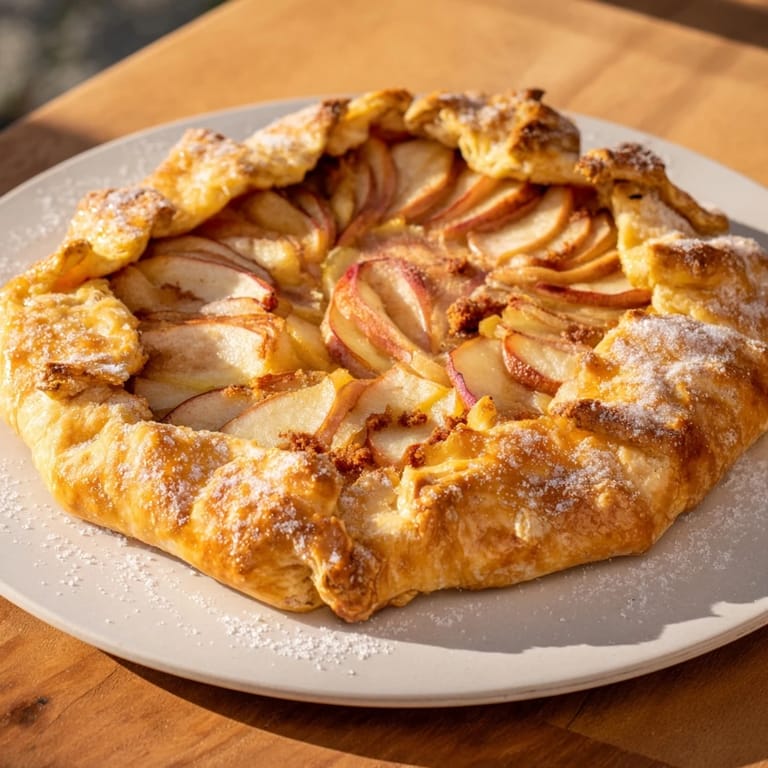
Save One autumn evening, I made this galette with pears from a farmer's market and served it still warm from the oven. My neighbor took a bite and closed her eyes, and for a moment the kitchen felt like the center of something larger than dessert. That's when I realized this recipe wasn't just about fruit and pastry, it was about creating a pause, a shared moment that tasted like comfort.
Choosing Your Pears
I've tried this galette with soft, overripe pears and regretted it, they turned to mush and made the crust soggy. Firm-ripe pears like Bosc or Anjou hold their shape and develop a tender, almost jammy texture as they bake. If you can only find very hard pears, let them sit on the counter for a day or two until they yield slightly to pressure near the stem.
Working with Galette Dough
Galette dough is forgiving, but it rewards a light touch. I learned to stop overworking it after making a batch that baked up tough and dense. Mix just until the dough holds together, and don't worry if it looks a little shaggy. Those uneven bits of butter are what create the flaky layers you want.
Serving and Storing
This galette is at its absolute best the day it's baked, when the crust is crisp and the filling is still slightly warm. If you have leftovers, store them in the fridge and reheat slices in a 350°F oven for about 10 minutes to bring back some of the crispness. I've also eaten it cold for breakfast with Greek yogurt, and it's a different kind of wonderful.
- Serve with a dollop of lightly sweetened whipped cream or a scoop of vanilla ice cream.
- Try adding a handful of fresh cranberries or raspberries to the filling for a tart contrast.
- For a richer finish, brush the baked crust with a thin layer of apricot jam while it's still warm.
 Save
Save Every time I fold the edges of a galette, I'm reminded that imperfection can be beautiful. This pear and ginger version has become my go-to when I want something that feels special without the fuss, and I hope it becomes yours too.
Recipe FAQs
- → What type of pears work best?
Ripe, firm pears that hold their shape when sliced, such as Bartlett or Bosc, work well for this galette.
- → Can I substitute the crystallized ginger?
Freshly grated ginger can be used to enhance the ginger flavor, but crystallized ginger adds sweetness and texture.
- → How do I achieve a flaky crust?
Use cold butter cut into the flour until crumbly and chill the dough before rolling to ensure flakiness.
- → Is it necessary to use egg wash?
Brushing the crust with beaten egg gives a glossy, golden finish but can be omitted for a matte look.
- → What are good serving suggestions?
This galette pairs beautifully with whipped cream, vanilla ice cream, or simply enjoyed warm on its own.
- → Can I prepare the galette in advance?
The galette is best served the day it's baked but can be refrigerated for up to 2 days and gently reheated.