 Save
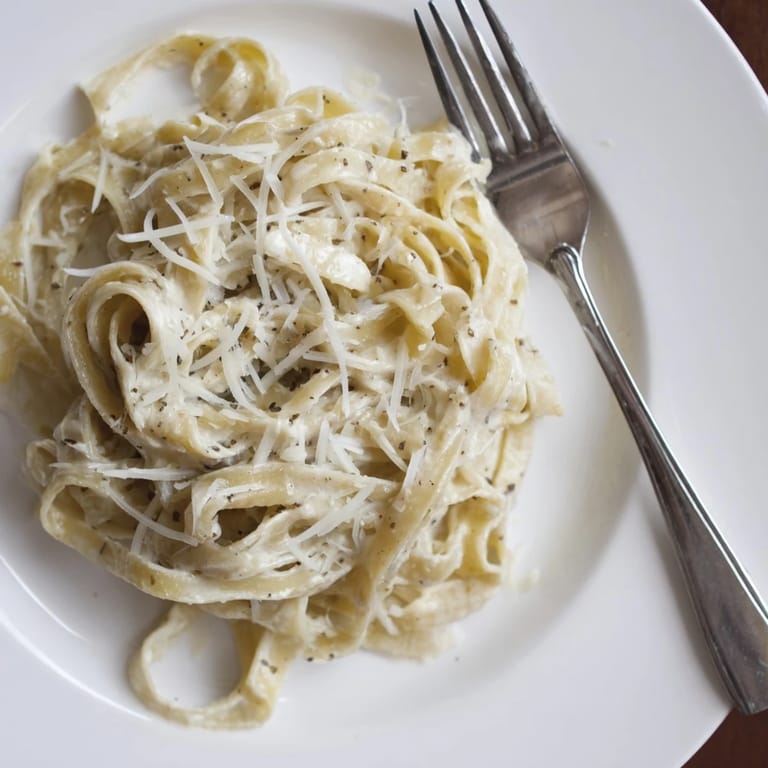
Save My kitchen smelled like a quiet Italian trattoria the evening I finally stopped buying jarred Alfredo. I had just pulled two foil-wrapped garlic bulbs from the oven, and when I squeezed one, the soft, caramelized cloves oozed out like sweet butter. That smell alone—earthy, nutty, almost honeyed—made me realize I'd been missing the point of cream sauce all along. This pasta doesn't need much, just time for the garlic to roast and a willingness to let simple ingredients speak.
I made this for my sister after she had a long week, and she ate two bowls standing at the counter before even sitting down. She kept saying it tasted like comfort, which is exactly what roasted garlic does—it turns something ordinary into a hug. We added a little extra Parmesan and scraped the skillet clean with bread. That night, I learned that the best recipes aren't complicated, they're just honest.
Ingredients
- Garlic bulbs: Roasting them whole mellows the sharpness into a creamy, spreadable sweetness that becomes the soul of the sauce.
- Olive oil: Just enough to keep the garlic from drying out in the oven and to coax out its natural sugars.
- Fettuccine or spaghetti: Wide noodles hold the cream beautifully, but any long pasta works if that's what you have on hand.
- Unsalted butter: Adds richness and helps the shallot soften without burning.
- Shallot: Milder than onion, it adds a subtle sweetness that supports the garlic without competing.
- Heavy cream: The backbone of the sauce, it thickens gently and coats each noodle in velvety luxury.
- Milk: Loosens the sauce just enough so it doesn't feel too heavy or cloying.
- Parmesan cheese: Freshly grated melts smoothly and adds that nutty, salty finish that makes you want another bite.
- Black pepper and salt: Simple seasonings that let the roasted garlic shine.
- Nutmeg: A tiny pinch adds warmth and depth, like a whisper of something you can't quite name.
- Fresh parsley: Optional, but it adds a pop of color and a hint of freshness to balance the richness.
Tired of Takeout? 🥡
Get 10 meals you can make faster than delivery arrives. Seriously.
One email. No spam. Unsubscribe anytime.
Instructions
- Roast the garlic:
- Preheat your oven to 200°C (400°F), slice the tops off the garlic bulbs to expose the cloves, drizzle with olive oil, wrap snugly in foil, and roast for 35 to 40 minutes until the cloves are soft, golden, and fragrant. Let them cool just enough to handle, then squeeze the roasted cloves out into a small bowl.
- Cook the pasta:
- Bring a large pot of salted water to a rolling boil and cook your pasta until al dente, following the package directions. Before draining, scoop out half a cup of the starchy pasta water and set it aside.
- Sauté the shallot:
- Melt the butter in a large skillet over medium heat, add the finely chopped shallot, and sauté for about 2 minutes until it softens and turns translucent. The kitchen will start to smell sweet and inviting.
- Add the roasted garlic:
- Mash the roasted garlic cloves into a rough paste with a fork, then stir them into the skillet with the shallot. Cook for about a minute, stirring, until the garlic becomes fragrant and starts to meld with the butter.
- Build the cream sauce:
- Pour in the heavy cream and milk, whisking gently to combine, then bring the mixture to a gentle simmer. Let it cook for 3 to 4 minutes, stirring occasionally, until it thickens just slightly and coats the back of a spoon.
- Finish with cheese and seasoning:
- Stir in the freshly grated Parmesan, salt, black pepper, and a pinch of nutmeg if you like. Simmer gently until the cheese melts completely and the sauce turns glossy and velvety.
- Toss the pasta:
- Add the drained pasta directly to the skillet and toss it in the sauce, adding splashes of the reserved pasta water a little at a time until the sauce clings to each strand without pooling at the bottom. The starch in the water helps everything come together beautifully.
- Serve:
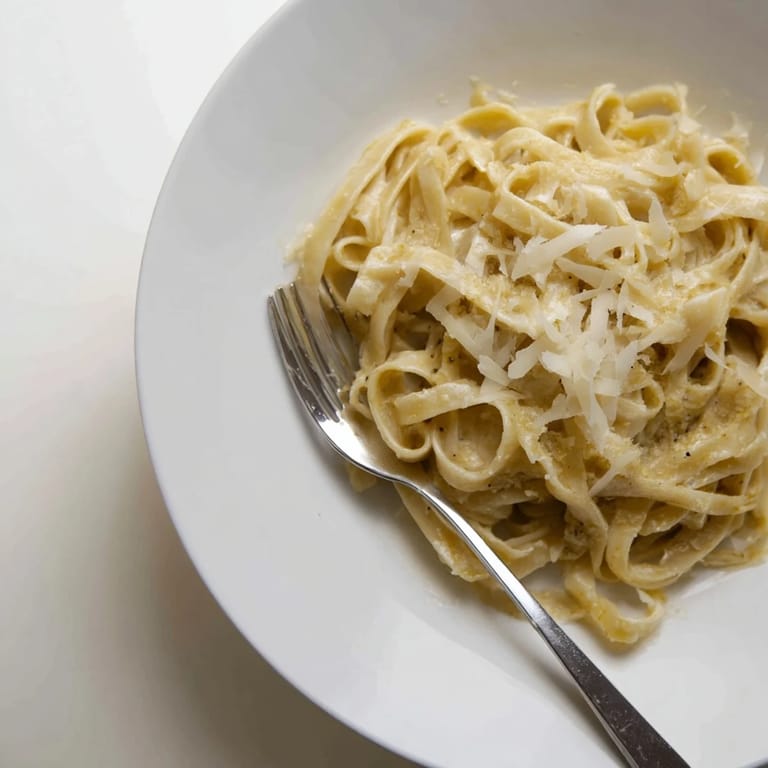
- Divide the pasta among warm bowls, top with extra Parmesan and a sprinkle of fresh parsley if you have it, and serve immediately while it's still steaming.
 Save
Save This pasta became my go-to whenever someone needed comfort without words. I've made it for friends going through breakups, for myself after long days, and once for a neighbor who just needed to feel cared for. It's amazing how a bowl of creamy noodles can say everything you don't know how to. Every time I roast garlic now, I think about all the people who've sat at my table and how food can be the kindest language we speak.
Making It Your Own
Once you've made this a few times, you'll start to see how flexible it is. I've stirred in sautéed mushrooms when I had them, added a handful of baby spinach right before serving, and even tossed in some crispy pancetta for a non-vegetarian version. A squeeze of lemon juice at the end brightens everything up if the richness feels too heavy. You can also swap the fettuccine for penne or rigatoni if you prefer shorter pasta, the sauce still clings beautifully to ridged shapes.
Storing and Reheating
Leftovers keep well in an airtight container in the fridge for up to three days, though the sauce may thicken as it cools. When you reheat it, add a splash of milk or cream and warm it gently in a skillet over low heat, stirring until it loosens back up. I don't recommend freezing this dish because cream sauces can separate when thawed, but if you must, undercook the pasta slightly and freeze in portions. Thaw overnight in the fridge and reheat with extra liquid to bring it back to life.
Pairing Suggestions
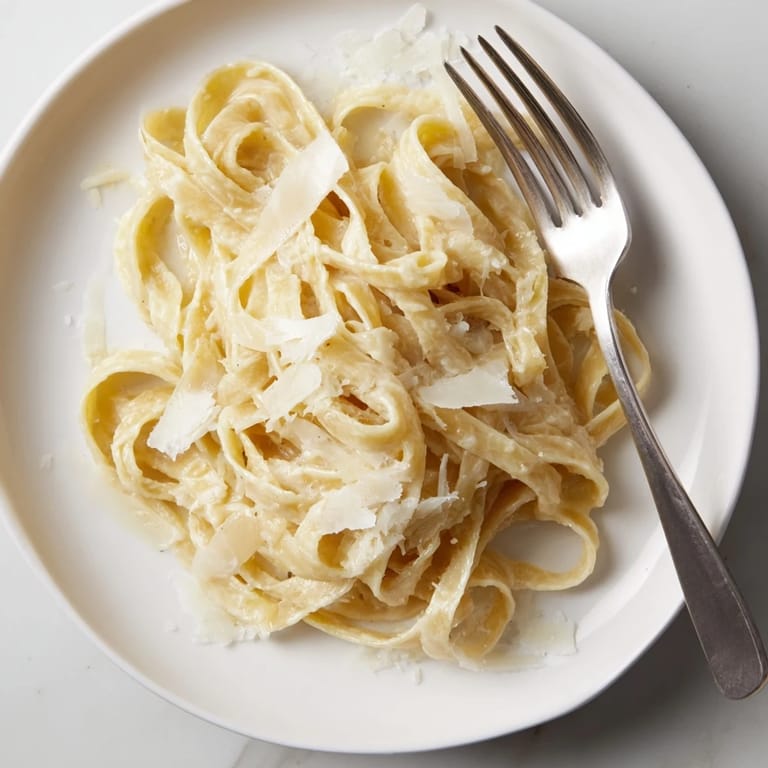
This pasta loves a crisp, chilled white wine like Pinot Grigio or Sauvignon Blanc, something with enough acidity to cut through the cream. If wine isn't your thing, sparkling water with a twist of lemon works just as well. On the side, keep it simple with a green salad dressed in lemon vinaigrette or some crusty bread to mop up any sauce left in the bowl.
- A Caesar salad with anchovy dressing adds a salty, tangy contrast.
- Garlic bread might seem redundant, but honestly, no one has ever complained.
- Roasted asparagus or broccolini adds a fresh, slightly bitter note that balances the richness.
 Save
Save This dish has become one of those recipes I return to again and again, not because it's fancy, but because it never fails to feel like home. I hope it does the same for you.
Recipe FAQs
- → How do I know when the roasted garlic is done?
The garlic bulbs are ready when the cloves are completely soft and golden brown, typically after 35-40 minutes at 200°C. The tops should be slightly caramelized. You should be able to easily squeeze the cloves out of their skins.
- → Can I make this ahead of time?
Yes, you can roast the garlic bulbs up to 2 days in advance and refrigerate them. However, prepare the pasta and sauce fresh for the best texture. You can also make the cream sauce base without pasta and gently reheat it when ready to serve.
- → What pasta shapes work best?
Fettuccine and spaghetti are ideal choices as they cling beautifully to the creamy sauce. Pappardelle, tagliatelle, or linguine also work wonderfully. Avoid very thin pastas that might break apart.
- → How do I prevent the sauce from breaking?
Keep the heat at medium or medium-low throughout cooking. Whisk the cream and milk together before adding to prevent lumps. Once you add the Parmesan, stir gently and avoid boiling, which can cause the cheese to separate.
- → What wines pair well with this dish?
Crisp white wines work best. Try Pinot Grigio for bright acidity, Sauvignon Blanc for herbaceous notes, or Vermentino for a Mediterranean feel. These wines cut through the richness of the cream sauce beautifully.
- → Can I make this vegan?
Yes, substitute the butter with olive oil, use coconut cream or cashew cream for dairy cream, and nutritional yeast for Parmesan. Use whole wheat or plant-based pasta. The roasted garlic and shallot base remains the same.