 Save
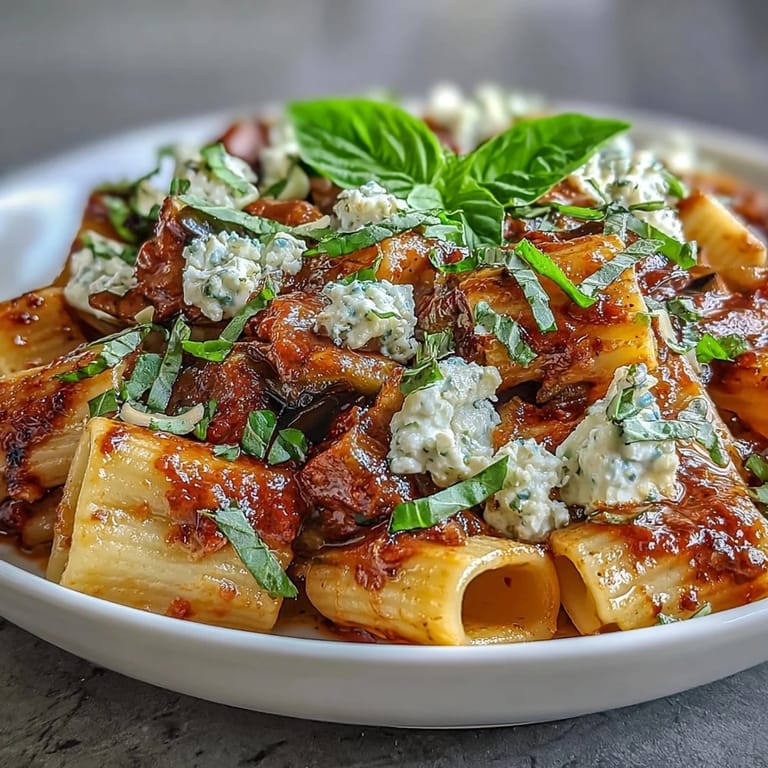
Save Years ago, a friend from Palermo brought a container of this to a potluck, and the moment I tasted it, I understood why Sicilians don't overthink their food—they just let the ingredients speak. The eggplant had that perfect char, the tomato sauce was bright and alive, and that sprinkle of ricotta salata at the end felt like edible gold. I've made it countless times since, and it never fails to remind me why simplicity, when done right, is everything.
I made this for my partner last summer when we were trying to eat lighter but not sacrifice flavor, and halfway through dinner, we just locked eyes and nodded without saying a word—the kind of moment that tells you a recipe has earned its place in the rotation. The basil fragrance filling the kitchen while everything simmered created this almost meditative pause in the evening, which felt exactly right.
Ingredients
- 1 large eggplant (about 400 g), cut into 2 cm cubes: The size matters here—too small and they'll disappear into dust, too large and they won't roast evenly; 2 cm is the sweet spot where they turn silky inside with caramelized edges.
- 800 g canned whole peeled tomatoes (or passata): San Marzano if you can find them, but don't stress; good canned tomatoes taste better than mediocre fresh ones in the winter, and you'll crush them by hand anyway to control the texture.
- 3 tbsp extra-virgin olive oil: This isn't the time to use the fancy bottle you're saving; use the one you actually cook with, the one that tastes like olives and not like wishing you lived somewhere warmer.
- 80 g ricotta salata, grated or crumbled: This is the finale, the salty flourish that ties everything together; if you can't find it, Pecorino Romano works but use slightly less since it's sharper.
- 1/2 tsp dried chili flakes (optional): I always include them because that whisper of heat makes the tomatoes taste more like themselves, but leave them out if heat isn't your thing.
- 2 garlic cloves, finely chopped: Mince them by hand if you can; there's something about the texture that matters more than people admit.
- 1 medium onion, finely chopped: This is your flavor foundation, so take your time softening it; rushing this step is where things go flat.
- 1 small bunch fresh basil, leaves picked: Fresh basil bruises easily, so tear it gently with your hands rather than chopping it; add most to the sauce but save some leaves for the very end.
- 400 g rigatoni or penne pasta: Shapes with ridges or tubes hold the sauce better than smooth pasta; this isn't snobbery, it's physics.
Tired of Takeout? 🥡
Get 10 meals you can make faster than delivery arrives. Seriously.
One email. No spam. Unsubscribe anytime.
Instructions
- Get your oven ready and start the eggplant:
- Preheat to 220°C (430°F), then toss your eggplant cubes with 2 tablespoons of olive oil and salt until they glisten. Spread them on a baking tray in a single layer and slide them in; they'll need 25 to 30 minutes, and you'll want to flip them halfway through so they turn golden and tender all over.
- Begin your tomato sauce base:
- While the eggplant roasts, warm 1 tablespoon of olive oil in a large skillet over medium heat. Add your chopped onion and let it soften for about 5 minutes—listen for the gentle sizzle and watch it turn translucent. Add the garlic and chili flakes (if using), stirring for just 1 minute until fragrant, then you're ready for the tomatoes.
- Build and simmer the sauce:
- Crush the canned tomatoes by hand directly into the skillet, letting the juices flow in with them. Season generously with salt and pepper, then let it bubble gently for 15 to 20 minutes, stirring every few minutes, until the sauce thickens enough that your spoon leaves a brief trail across the bottom. You'll know it's ready when the bright red deepens slightly and smells like pure tomato comfort.
- Cook the pasta:
- Bring a large pot of salted water to a rolling boil and add your pasta, cooking it according to the package instructions until it's just al dente—still with a tiny firm bite in the center. Before you drain it, scoop out about 1/2 cup of that starchy pasta water and set it aside; it's liquid gold for making your final dish silky.
- Bring it all together:
- By now your eggplant should be golden and tender; add it to the tomato sauce along with most of your basil leaves, stirring gently. Let everything simmer together for just 2 minutes so the flavors get to know each other, then toss in your drained pasta. Add a splash of that reserved pasta water if needed to achieve a smooth, glossy sauce that coats every piece.
- Plate and finish:
- Divide into bowls while everything is still warm, then crown each serving with generous crumbles or shreds of ricotta salata and those remaining fresh basil leaves. The heat will soften the cheese slightly, and that final scatter of green basil is what makes people lean in for another bite.
 Save
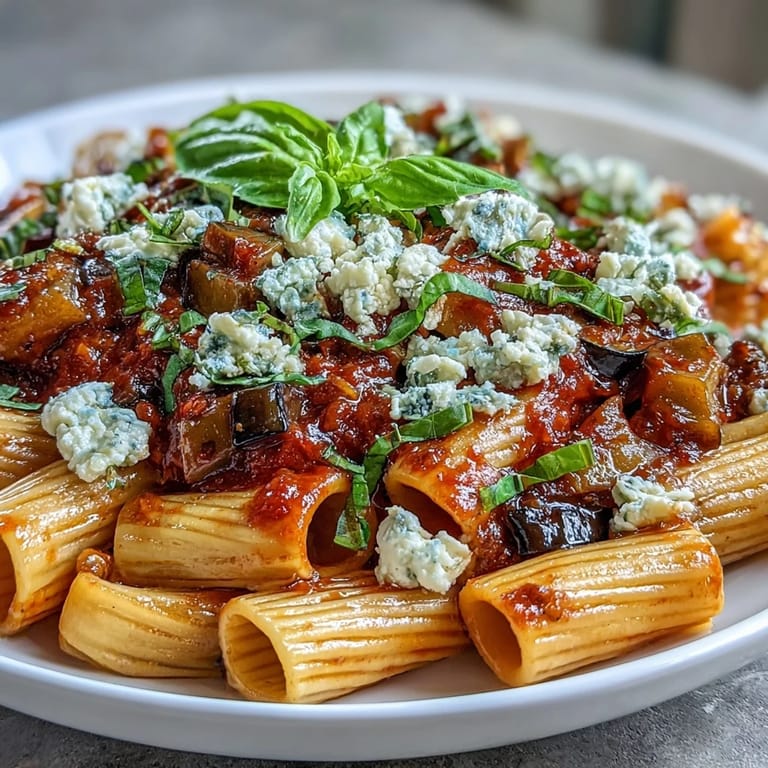
Save There's a moment during the cooking process, usually around when the eggplant comes out of the oven, when this dish shifts from being just a recipe to being something alive—the kitchen fills with this deep, complex aroma that feels more honest than any restaurant could manufacture. That's when you know it's going to be good.
Why Roasting Changes Everything
The first time I tried pan-frying the eggplant to save time, I learned an expensive lesson about shortcuts. It absorbed oil like a sponge and turned soft and mushy instead of caramelized and creamy. Roasting is slower but non-negotiable; the dry heat of the oven caramelizes the exterior while the interior becomes silky, and that transformation is what separates a good pasta Norma from a forgettable one.
The Pasta Water Trick
That reserved starchy water isn't just a backup plan—it's the secret to making your sauce cling to every strand and noodle instead of sliding off. The starch acts like an emulsion, creating a silky coating that ties everything together. I learned this from watching a nonno cook in Naples, and now I guard it as carefully as I would gold.
Timing and Temperature Matter
This dish comes together best when everything reaches the table hot, so plan your timing so the pasta finishes about the same moment the sauce is ready. Medium heat for the sauce prevents it from breaking and ensures the flavors meld rather than scream at each other. This is Sicilian cooking at its heart—patient, careful, and worth every minute of attention.
- Start your pasta water after you've added the eggplant to the sauce; the timing will align naturally.
- If the sauce seems too thick before the pasta arrives, add a splash of water or pasta water to loosen it slightly.
- Taste and adjust seasonings right before serving; tomato-based sauces sometimes whisper rather than announce their salt levels.
 Save
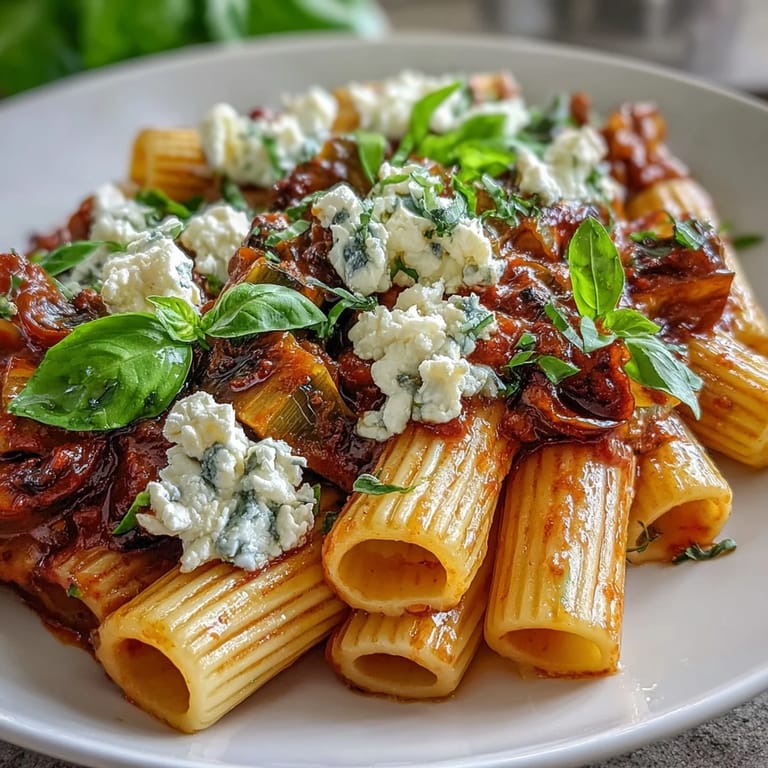
Save Pasta alla Norma isn't flashy or complicated, but it knows exactly who it is and doesn't apologize. Every time you make it, you're honoring a tradition that stretches back generations in Sicily, which might be the best reason to cook anything.
Recipe FAQs
- → What does 'Norma' refer to in this dish?
Pasta Alla Norma is named after Vincenzo Bellini's opera 'Norma,' a beloved work from Catania, Sicily. The legend says a chef compared the dish's perfection to Bellini's masterpiece, and the name stuck. It's a tribute to Sicilian culture and culinary excellence.
- → Can I substitute the ricotta salata?
Yes. Pecorino Romano offers a similar salty kick, while feta provides a crumbly texture with tangy flavor. For a vegan version, nutritional yeast or a plant-based feta alternative works well. Each substitution slightly changes the final taste profile.
- → Why roast the eggplant instead of frying?
Roasting yields tender, creamy eggplant without absorbing excessive oil. The high heat caramelizes the natural sugars, creating depth of flavor. It's also simpler and less messy than traditional frying methods while delivering excellent results.
- → What pasta shapes work best?
Rigatoni's ridges and wide tubes capture sauce beautifully. Penne is the traditional alternative. Other short, sturdy shapes like ziti or maccheroni also work. Avoid long strands like spaghetti—the sauce chunks need pasta with catching power.
- → Can this be made ahead?
The roasted eggplant and tomato sauce keep well for 2-3 days refrigerated. Cook pasta fresh when serving, tossing with reheated sauce and a splash of water to restore consistency. Add ricotta salata just before serving for best texture.
- → How do I prevent the eggplant from becoming bitter?
Young, fresh eggplants are typically not bitter. If concerned, sprinkle cubed eggplant with salt and let sit 30 minutes before roasting, then pat dry. This draws out moisture and any potential bitterness. Most modern varieties skip this step successfully.