 Save
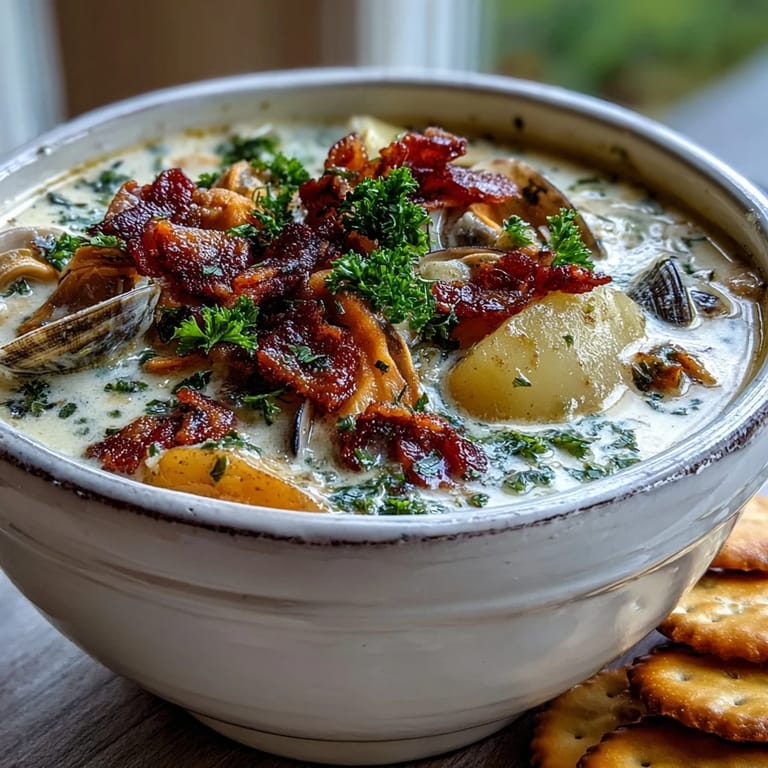
Save The first time I made New England Clam Chowder, a fierce nor'easter was battering our windows as the kitchen filled with the aroma of rendering salt pork and sweet onions cooking in butter. Our power flickered ominously, but I was determined to finish this pot of comfort before we potentially lost electricity. The storm outside made the steaming bowls taste even more satisfying when we finally sat down to eat, spoons clinking against ceramic as the wind howled.
My uncle from Massachusetts visited last winter and raised an eyebrow when I mentioned making clam chowder, clearly skeptical of a Midwesterner attempting his regional specialty. The kitchen fell silent as he took his first spoonful, then broke into a wide smile before declaring it reminded him of summers in Cape Cod. He proceeded to tell stories about clamming with his father while we emptied our bowls, asking for seconds before the stories were even finished.
Ingredients
- Fresh clams: Their briny sweetness is the foundation of this soup, and the liquid they release when steamed creates a flavor base that canned versions struggle to match.
- Salt pork: This traditional fat is what New England fishermen would have used, imparting a subtle pork flavor without the smokiness of bacon.
- Yukon Gold potatoes: These hold their shape while absorbing flavor, giving you distinct bites rather than disintegrating into the broth.
- Heavy cream: The luxurious mouthfeel comes from using real cream, creating that silky texture that defines a proper New England version versus thinner Manhattan styles.
- Bay leaf: Just one leaf works quietly in the background, pulling all the flavors together without announcing itself.
Tired of Takeout? 🥡
Get 10 meals you can make faster than delivery arrives. Seriously.
One email. No spam. Unsubscribe anytime.
Instructions
- Prepare the clams:
- If using fresh clams, give them a thorough scrub under cold water to remove any grit. Watch as they slowly open in the steaming pot, revealing their tender meat, and remember that any stubbornly closed shells should be discarded.
- Create the flavor foundation:
- Listen for the satisfying sizzle as the salt pork renders its fat, releasing that distinctive aroma that signals youre making something special. Those crispy bits will become treasured finds in the finished soup.
- Build the aromatic base:
- As the butter melts into the rendered fat, add your diced onions and celery, stirring until they become translucent but not browned. Your kitchen should now be filled with an irresistible savory fragrance that makes stomachs growl in anticipation.
- Create the roux:
- Sprinkle the flour over your vegetables and stir continuously, cooking just long enough to remove the raw flour taste. This brief two-minute dance is what will give your chowder its perfect consistency.
- Develop the broth:
- Pour in your liquids slowly, whisking constantly to prevent lumps from forming. The mixture will transform before your eyes from a thick paste to a silky, promising base.
- Tend to the potatoes:
- Add the potatoes and herbs, then maintain a gentle simmer until the potatoes yield easily to your spoon. Stir occasionally with a wooden spoon, dragging it across the bottom to prevent any scorching.
- Unite the elements:
- Gently fold in your prepared clams and reserved crispy pork bits, allowing the flavors to meld without overcooking the delicate seafood. The chowder will deepen in color slightly as everything comes together.
- Final touches:
- Fish out the bay leaf like finding a hidden treasure, then scatter fresh parsley across the surface. Take a moment to taste and adjust seasonings, remembering that clams bring their own natural saltiness.
 Save
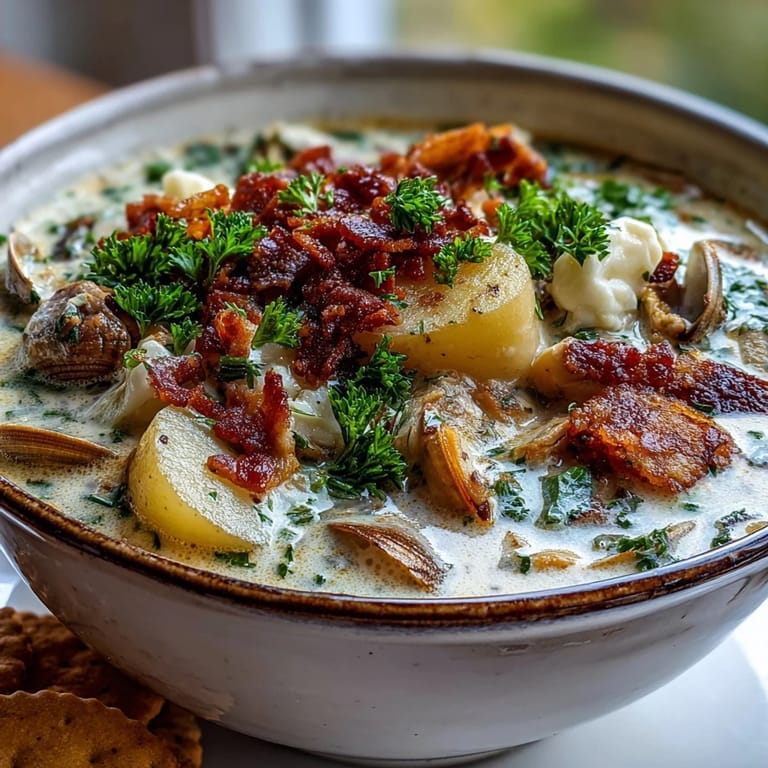
Save Last Christmas Eve, when we were too exhausted from holiday preparations to cook anything elaborate, I pulled a container of this chowder from the freezer. As we gathered around the coffee table in our pajamas, steam rising from our mugs of chowder, my daughter declared it our new holiday tradition. Sometimes the most meaningful food moments happen when youre not trying to create them at all.
The Perfect Consistency
The debate over proper chowder thickness has raged for generations along the Eastern seaboard. New Englanders typically prefer a chowder with body, not gluey or gelatinous, but substantial enough that it coats the back of a spoon. I discovered that using just two tablespoons of flour creates that ideal middle ground, allowing the chowder to have structure without becoming stodgy. My grandmother would test her chowder by drawing a wooden spoon through the pot, looking for the momentary parting of the sea that showed it was neither too thick nor too thin.
Choosing Your Clams
While purists insist on fresh clams, Ive found that a combination approach often yields the best results for home cooks. Starting with fresh clams for their liquor and sweet flavor, then supplementing with a bottle of clam juice ensures consistent results regardless of how juicy your fresh clams happen to be. During a summer visit to a coastal town, a fishmonger told me that quahogs are traditional for chowder because their larger size and meatier texture stand up well to cooking, but littlenecks will work beautifully if thats what your market offers.
Serving Suggestions
The ritual of serving chowder deserves as much attention as its preparation. Warm your bowls beforehand to keep the chowder at its ideal temperature longer, giving you time to appreciate each spoonful. I learned this the hard way after serving perfect chowder in cold stoneware, watching it turn lukewarm before we were halfway through our portions.
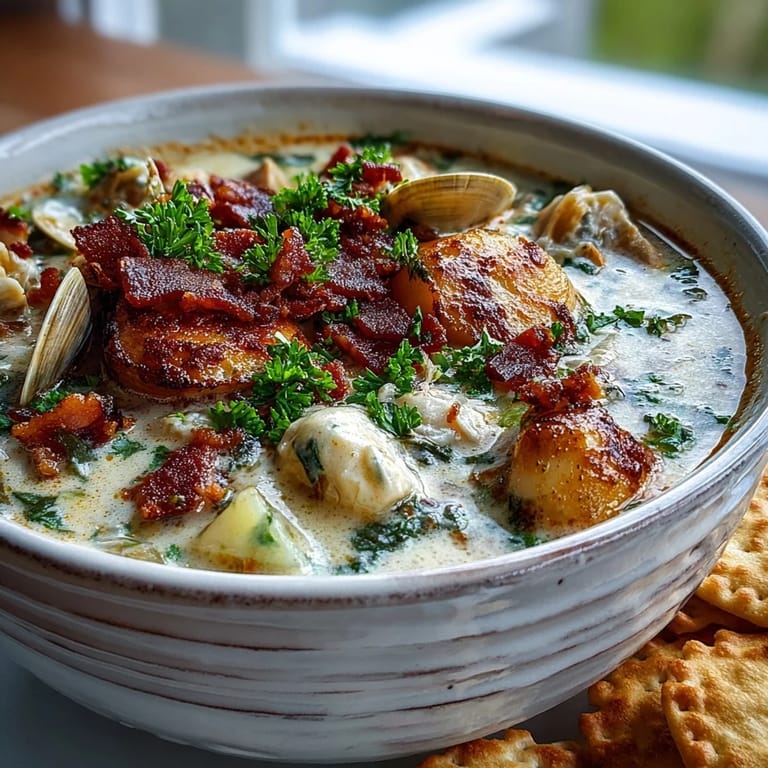
- Oyster crackers are the traditional accompaniment, their slight saltiness and crunch providing textural contrast to the creamy soup.
- A dash of hot sauce or a few drops of Worcestershire sauce can brighten individual servings without compromising the chowders classic profile.
- For a complete meal, pair with a simple green salad dressed lightly with lemon and olive oil to cut through the richness.
 Save
Save This chowder is more than just sustenance, its a bowl of maritime history that connects us to generations of New England fishing families. Share it with someone special on a chilly evening when comfort matters most.
Recipe FAQs
- → What makes this New England-style chowder?
Authentic New England chowder uses a cream-based broth rather than the tomato-based Manhattan version. The combination of heavy cream, whole milk, and clam juice creates that signature velvety texture. Salt pork or bacon adds essential smoky depth, while tender potatoes provide hearty substance in every spoonful.
- → Can I use canned clams instead of fresh?
Absolutely. Canned chopped clams work beautifully and save significant prep time. Use the juice from the cans as part of your clam broth—this liquid is packed with briny flavor. For the best texture, choose chopped clams rather than minced, and add them during the last few minutes of simmering just to heat through.
- → How do I prevent the dairy from curdling?
The secret is tempering your dairy and avoiding high heat. After making the roux, whisk in the clam juice first, then slowly add the milk and cream while stirring constantly. Once the dairy is incorporated, keep the chowder at a gentle simmer—never a rolling boil. Adding cold dairy to a hot pot can cause curdling, so let your liquids come to room temperature first.
- → Can I make this lighter?
You can substitute half-and-half for the heavy cream, though the texture will be slightly less velvety. Some cooks use evaporated milk or additional potato for natural thickening. While traditionalists might argue, a lighter version still delivers wonderful flavor—just adjust your seasonings accordingly and avoid boiling to maintain smoothness.
- → How long will leftovers keep?
Stored in an airtight container, this chowder keeps well for 3-4 days in the refrigerator. The flavors often deepen and improve overnight. When reheating, use gentle heat and add a splash of milk or cream if the consistency seems too thick. Avoid freezing—the dairy can separate and the potatoes may become grainy upon thawing.
- → What's the difference between salt pork and bacon?
Salt pork is cured pork belly fat with very little meat, providing pure rendered fat without the smoky flavor of bacon. Bacon offers smokiness and crisp meaty bits. Both work beautifully here—salt pork creates a more traditional, subtle richness, while bacon adds familiar smoky notes. Render either until crispy, then remove and use as a garnish.