 Save
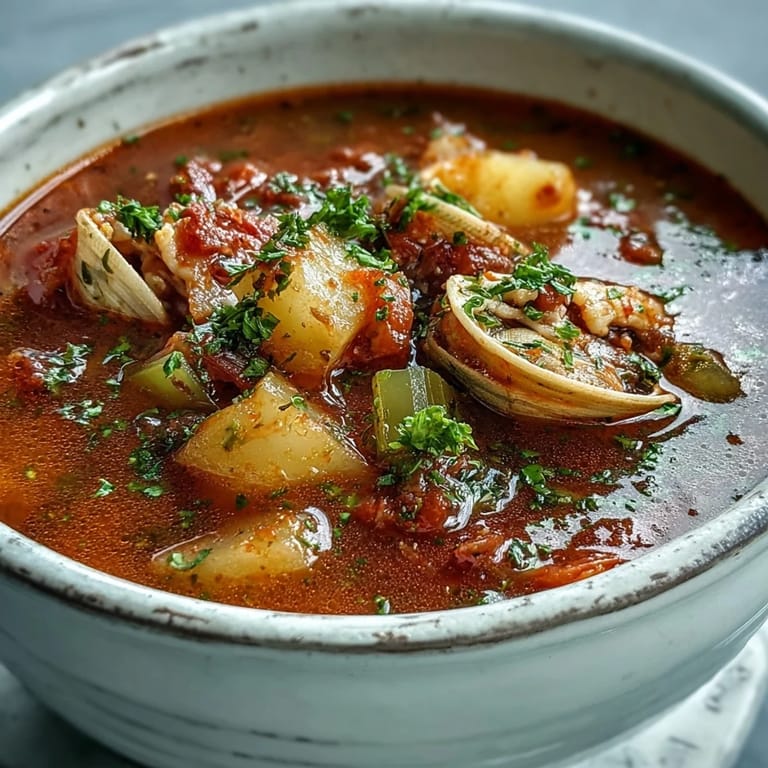
Save The sharp scent of the sea filled my kitchen the first time I made Manhattan clam chowder. Unlike its creamy New England cousin, this version's bright tomato broth reminded me of summers spent at my grandfather's fishing cabin where we'd gather clams at dawn. The recipe evolved during a particularly chilly autumn when I craved something warming yet light. I remember how the steam fogged up my kitchen windows as the chowder simmered, creating a cozy barrier between my home and the rain-soaked world outside.
Last winter, I invited neighbors over during an unexpected power outage, lighting candles around the dining table while this chowder bubbled away on my gas stove. The kitchen became our refuge, with conversation flowing as easily as the wine while everyone huddled close for warmth. Something about the shared experience of spooning up this vibrant soup in the semi-darkness turned strangers into friends, proving once again that the best meals happen when plans fall apart.
Ingredients
- Fresh or Canned Clams: I learned through many batches that either option works beautifully, though fresh clams offer that unmistakable burst of ocean flavor if you can find them.
- Yukon Gold Potatoes: These maintain their shape better than russets, which I discovered after one particularly mushy batch taught me the importance of potato selection.
- Green Bell Pepper: The slightly bitter edge balances the sweetness of the tomatoes and adds a distinct flavor that separates Manhattan from other chowders.
- Diced Tomatoes: After experimenting with fresh versus canned, I found good quality canned tomatoes actually provide more consistent flavor, especially when clams are the star.
- Clam Juice: This amplifies the seafood flavor throughout the broth, creating depth that water alone cant provide.
Tired of Takeout? 🥡
Get 10 meals you can make faster than delivery arrives. Seriously.
One email. No spam. Unsubscribe anytime.
Instructions
- Prep Your Clams:
- If using fresh clams, scrub them under cold water until any sand is gone, discarding any that remain open when tapped. The steaming process should take only about 5-7 minutes until they pop open, revealing their treasure.
- Build the Aromatic Base:
- The sizzle of vegetables hitting olive oil is your sign of good things to come. Youll notice the kitchen filling with a savory aroma as the onions become translucent and the carrots soften.
- Layer in Flavors:
- When you add the garlic, give yourself a moment to appreciate that incredible smell that signals the transformation from raw ingredients to something magical. This brief minute of cooking blooms the garlic without burning it.
- Simmer to Perfection:
- The liquid should bubble gently, not violently, allowing the potatoes to slowly absorb all those wonderful flavors. Youll know theyre done when a fork slides easily through without resistance.
- Bring It All Together:
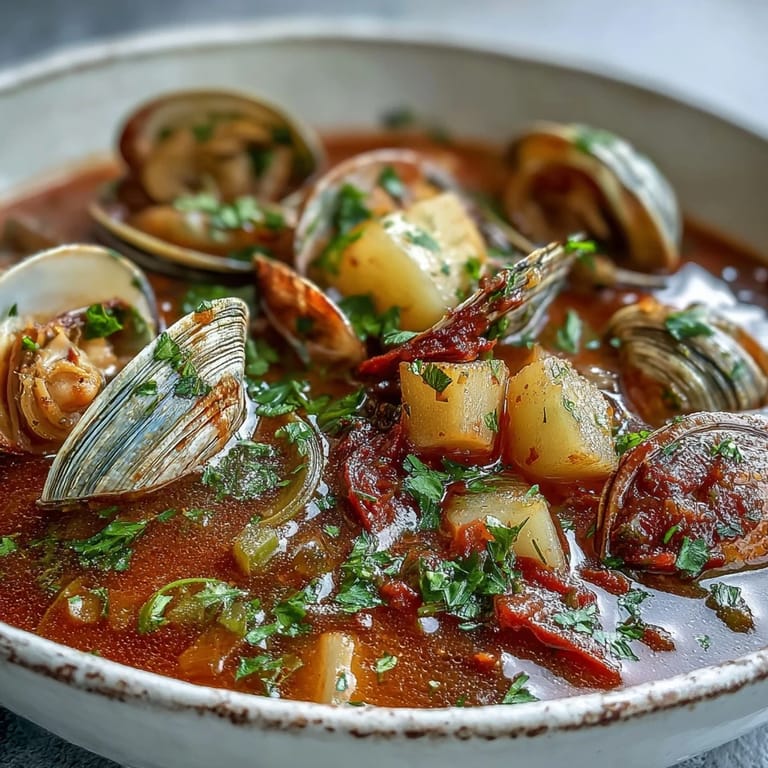
- Adding the clams at the end prevents them from overcooking and becoming tough. Just a few minutes until theyre warmed through preserves their delicate texture.
 Save
Save My daughter, initially skeptical of seafood, shocked me by requesting seconds of this chowder during a family dinner last spring. She whispered a confession as I ladled more into her bowl, that she had always thought she hated clams until this soup changed her mind. That moment of culinary conversion became a running joke between us, and now she texts me clam emojis whenever shes coming home from college, her not-so-subtle hint that shed like this waiting for her upon arrival.
Serving Suggestions
Theres something magical about the way oyster crackers slowly soften when sprinkled over hot chowder, creating little pockets of texture in each spoonful. During one memorable dinner party, I set up a small garnish bar with lemon wedges, hot sauce, extra chopped parsley, and crispy bacon bits, allowing guests to customize their bowls. The conversation flowed as freely as the wine while everyone compared their perfect combination, with the spice-lovers adding generous dashes of hot sauce while others preferred the clean, herbal finish of extra parsley.
Make It Your Own
The beauty of Manhattan clam chowder lies in its adaptability, something I discovered during a particularly bare-cupboard moment when substitutions were necessary. Swapping in a red bell pepper created a subtly sweeter profile that my husband actually preferred to the traditional green. Another happy accident occurred when I tossed in the last handful of frozen corn, adding pops of sweetness that complemented the acidity of the tomatoes. Even the herbs can be played with, as I found when fresh basil from my overflowing summer garden made its way into the pot instead of dried oregano.
Storage and Leftovers
The first time I packed this chowder for lunch the next day, I was genuinely surprised to find it tasted even better than the night before. The flavors had somehow deepened and married in ways that made me pause between spoonfuls to appreciate the transformation. That discovery led to deliberately making double batches, portioning the leftovers into individual containers for quick meals on busy days.
- Store cooled chowder in airtight containers in the refrigerator for up to 3 days, keeping in mind the potatoes will continue to absorb liquid.
- When reheating, add a splash of water or extra clam juice if its thickened too much during storage.
- Freeze portions without the clams, then add fresh or canned clams when reheating for the best texture.
 Save
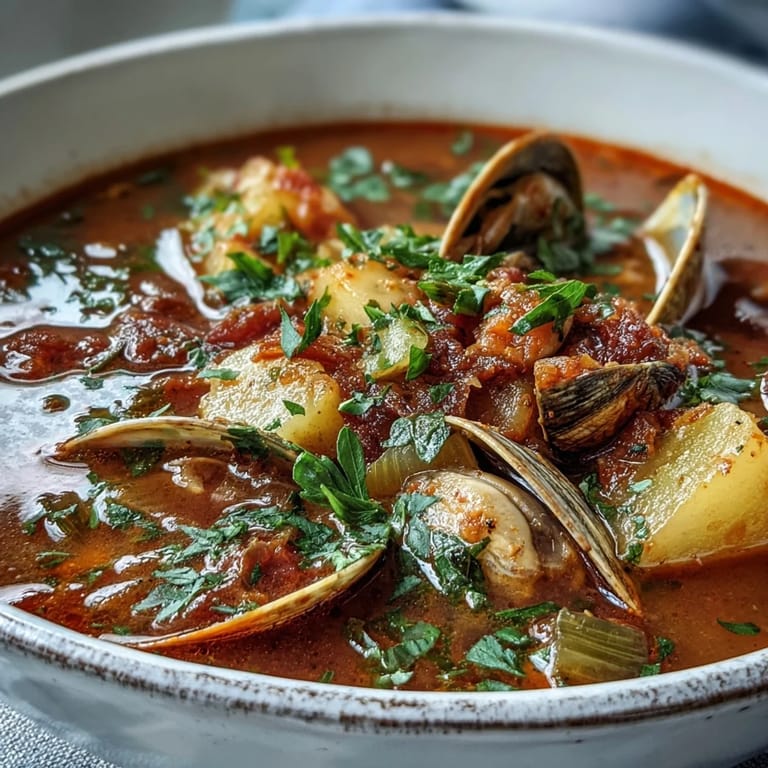
Save This Manhattan clam chowder has become more than just a recipe in my household, its a solution to cold evenings, unexpected guests, and the universal need for comfort in a bowl. I hope it brings the same warming satisfaction to your table as it has to mine countless times.
Recipe FAQs
- → What makes Manhattan clam chowder different from New England style?
Manhattan clam chowder features a tomato-based broth rather than the creamy milk base of New England style. This gives it a lighter, more vibrant character with zesty acidity from the tomatoes, while still delivering plenty of tender clams and vegetables.
- → Can I use canned clams instead of fresh?
Absolutely. Use 3 cups of canned chopped clams, drained. Remember to reserve the juice from the cans to help build the flavorful broth base along with additional bottled clam juice if needed.
- → How do I store and reheat leftovers?
Store cooled chowder in an airtight container in the refrigerator for up to 3 days. Reheat gently over medium-low heat, stirring occasionally. The potatoes may absorb some liquid, so you can add a splash of water or broth when reheating.
- → What's the best way to serve this chowder?
Ladle hot chowder into bowls and garnish with fresh chopped parsley. It pairs wonderfully with oyster crackers, crusty sourdough bread, or saltines. The chowder makes a satisfying main course or hearty starter.
- → Can I freeze Manhattan clam chowder?
While possible, freezing may affect the texture of potatoes and clams. If freezing, leave a bit of headspace in containers as liquids expand when frozen. Thaw overnight in the refrigerator before reheating gently on the stovetop.
- → How spicy is this chowder?
The chowder has mild warmth from black pepper. The crushed red pepper flakes are optional—add them if you enjoy a gentle kick. You can easily adjust the heat level to your preference by adding more or less red pepper flakes.