 Save
Save My first encounter with flounder meunière happened at a small bistro in Marseille, where the chef emerged from the kitchen with a plate that looked almost too simple—until I tasted it. The fish was so delicate it practically melted, the flour crust just golden enough to catch the light, and that browned butter with lemon hit like a revelation. Years later, I realized this dish isn't about complexity or fancy techniques; it's about respecting the ingredient and letting butter do what it does best. Now it's become my go-to when I want to feel sophisticated without spending hours in the kitchen.
I made this for my partner the night we got the keys to our first apartment—nothing on the shelves yet, just a skillet, butter, and fresh fish from the market downstairs. We ate standing up at the counter, listening to the city outside, and something about how quickly it came together made us both laugh. That meal became our shorthand for "fancy dinner night" whenever we wanted to feel like we'd made it, even when groceries were tight.
Ingredients
- Flounder fillets: These should be thin and delicate—ask your fishmonger for fillets around a quarter-inch thick so they cook evenly and stay tender. If flounder isn't available, Dover sole or even tilapia will give you that same elegant result.
- Kosher salt and freshly ground black pepper: Don't skip the grinding step; pre-ground pepper tastes dusty compared to what you get from cracking it fresh right before cooking.
- All-purpose flour: The light coating is key—too much flour gets gummy and masks the delicate fish flavor.
- Unsalted butter: Use real butter, not margarine; the whole point is that nutty, browned butter magic at the end.
- Olive oil: This raises the smoke point so the butter doesn't burn while you're getting color on the fish.
- Lemon juice and flat-leaf parsley: Fresh lemon is non-negotiable, and parsley adds a grassy brightness that balances the richness.
Tired of Takeout? 🥡
Get 10 meals you can make faster than delivery arrives. Seriously.
One email. No spam. Unsubscribe anytime.
Instructions
- Dry and season:
- Pat those fillets completely dry with paper towels—any moisture will create steam instead of that golden crust you're after. Season generously with salt and pepper on both sides, then let them sit for a minute while you get your dredging station ready.
- Coat lightly in flour:
- Spread flour on a shallow plate and dredge each fillet quickly, using just enough to create a thin, even coating. Shake off the excess directly over the plate—a heavy flour coating will turn pasty instead of crispy.
- Heat your pan:
- Combine the butter and olive oil in your largest nonstick skillet and turn the heat to medium-high. You want it hot enough that the butter froths immediately when the fish hits the pan, but not so hot that it smokes.
- Cook the fillets:
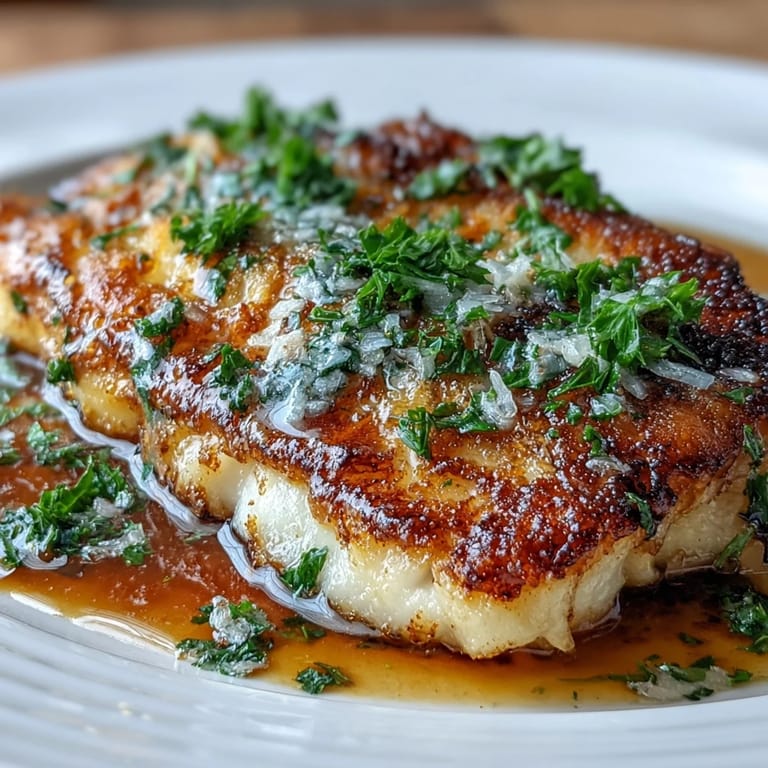
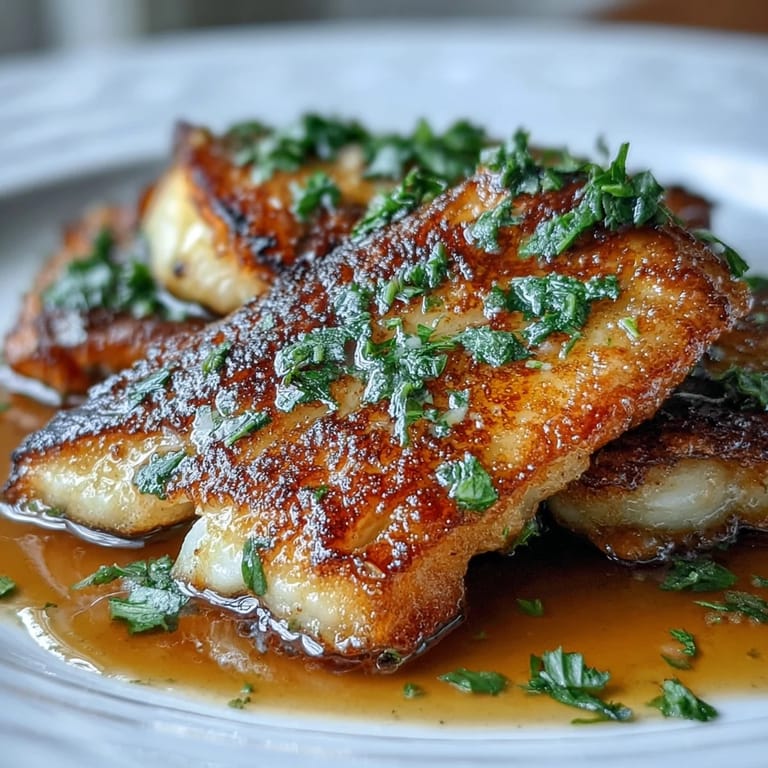
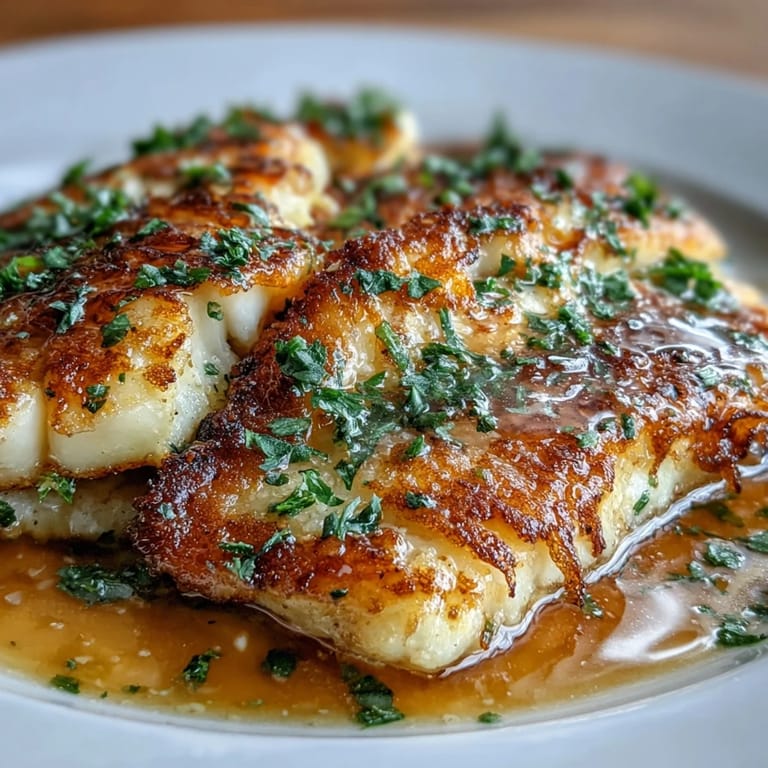
- Once the butter is foamy and smells nutty, carefully lay the fillets in the pan—they should sizzle right away. Cook 2 to 3 minutes per side depending on thickness; the fish is done when it flakes easily and the crust is golden. Don't crowd the pan, and if you have four thick fillets, work in batches.
- Make the sauce:
- Wipe out the skillet with a paper towel, then add the remaining 4 tablespoons of butter over medium heat. Watch it carefully—you want it to turn a deep golden brown and smell toasted, about 2 to 3 minutes, but not black or burnt.
- Finish with brightness:
- Pull the pan off the heat and immediately pour in the lemon juice and parsley, stirring gently. The sizzle and aroma are part of the magic; this is what makes the whole dish come alive.
- Serve right now:
- Spoon the browned butter sauce over the waiting fillets and bring everything to the table while it's still warm and the butter is still glossy. Serve with lemon wedges on the side so people can adjust the brightness to their taste.
 Save
Save There was one night when my daughter asked to help cook dinner, and I let her watch the butter brown—her face lit up when it turned that amber color and filled the kitchen with that toasted smell. She still talks about making "the fancy butter fish," and I think she'll remember that more than any restaurant meal we've ever had together.
Why This Dish Feels Like Restaurant Quality
The truth is, restaurants don't have secret techniques for fish meunière—they just take their time with temperature, don't fiddle with the fillets constantly, and use really good butter. The elegance comes from restraint, which is exactly why home cooks can nail this better than anyone rushing through a busy kitchen. When you taste your own version, you'll realize how little separates a weeknight dinner from something you'd pay forty dollars for in a nice restaurant.
Choosing Your Fish and Other Smart Swaps
While flounder is classic, any thin white fish works beautifully—sole is slightly richer, tilapia is more forgiving for beginners, and even cod fillets can work if you adjust the cooking time slightly. The key is picking something delicate that won't overpower the browned butter sauce. If you want to go fancy, this preparation also works with scallops or thin slices of halibut, though the cooking times shift a bit.
Building Your Perfect Plate
This dish doesn't need much—in fact, too much on the plate crowds the flavors. I usually serve it with something bright and simple: steamed green beans with a pinch of salt, or roasted fingerling potatoes that you can use to soak up every last drop of that butter sauce. A crisp white wine alongside (Sauvignon Blanc or Pinot Grigio) bridges the meal beautifully, and crusty bread is the real MVP for anyone who wants to chase every drop around their plate.
- If you're feeding guests, cook the fish in batches and keep them warm on a platter in a low oven while you make the sauce at the end.
- The browned butter can be made in advance and gently reheated, but the lemon and parsley must go in just before serving.
- Leftover fish is best eaten cold with a squeeze of fresh lemon, not reheated, so plan accordingly.
 Save
Save This is the dish I come back to when I want to remind myself that cooking doesn't have to be complicated to be memorable. It's about good ingredients, a hot pan, and a moment of attention—the kind of food that tastes like you care.
Recipe FAQs
- → What does meunière mean?
Meunière is French for 'miller's wife,' referring to the traditional technique of dusting fish with flour before cooking—a method that creates a delicate golden crust.
- → Can I use other types of fish?
Absolutely. Dover sole, tilapia, cod, or any mild white fish work beautifully with this preparation. Adjust cooking time based on fillet thickness.
- → How do I know when the butter is properly browned?
Watch for golden brown color and a nutty aroma. The milk solids will separate and turn brown—this takes 2-3 minutes over medium heat. Don't let it burn.
- → Why use both butter and olive oil?
Butter provides rich flavor while olive oil raises the smoking point, preventing the butter from burning during the initial frying stage.
- → What sides pair well with this dish?
Steamed green beans, roasted potatoes, haricots verts, or a simple green salad with vinaigrette complement the rich, buttery flavors beautifully.
- → Can I make this gluten-free?
Yes. Simply substitute rice flour or a gluten-free all-purpose blend for the wheat flour. The technique remains exactly the same.