 Save
Save My neighbor knocked on my door one Tuesday night holding a bag of vegetables from her garden, half-apologetic because she knew they'd go bad if someone didn't use them. I stood there in my kitchen, staring at zucchini, peppers, and a handful of cherry tomatoes, with nothing planned and twenty minutes until everyone got hungry. That's when I threw everything into one pot with pasta and cream, and it turned into the kind of dinner that makes you wonder why you ever complicated things. Sometimes the best meals come from someone else's abundance and your own empty calendar.
I made this for my sister during one of her late work weeks, and she sat at my table with her laptop still open, eating straight from the pot because she didn't want to wait for a proper bowl. She looked up mid-bite and said it tasted like something you'd get at a cafe with cloth napkins. I didn't tell her I'd invented it by accident. That night, I realized that some recipes earn their place not because they're complicated, but because they show up exactly when you need them.
Ingredients
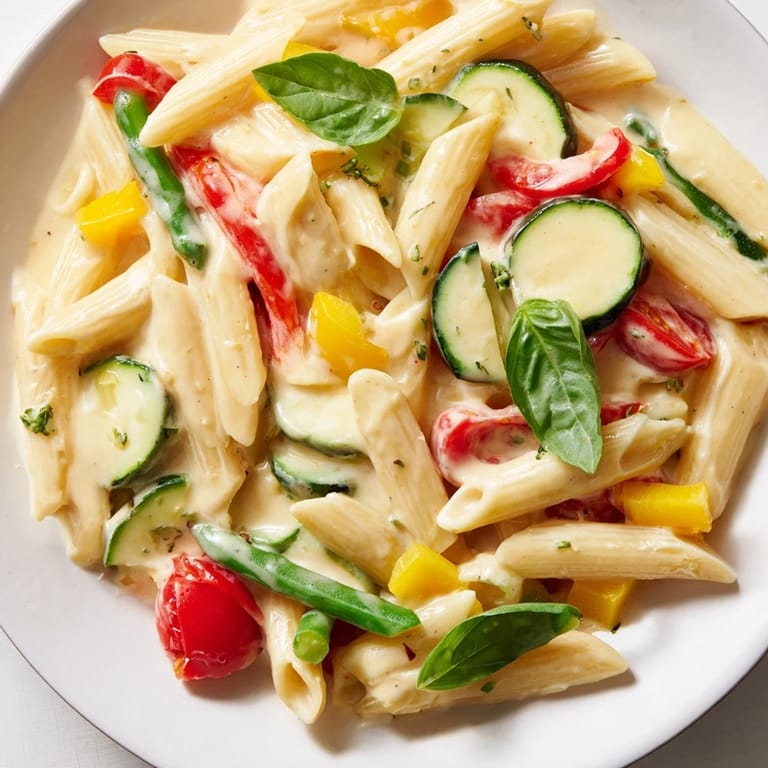
- Penne or fusilli pasta: These shapes hold onto the creamy sauce and trap little bits of vegetable in their ridges, making every forkful balanced.
- Zucchini: Slice it thin so it softens quickly without turning mushy, and it adds a subtle sweetness that balances the richness of the cream.
- Red and yellow bell peppers: They bring color and a slight char if you let them sit in the pot long enough, which adds depth to the whole dish.
- Cherry tomatoes: Halve them so they release their juice into the broth, creating little bursts of acidity that cut through the cream.
- Snap peas: Trim and halve them for a crisp bite that stays bright green and adds a fresh crunch even after simmering.
- Carrot: Slice it as thin as you can so it cooks at the same rate as the other vegetables and doesn't stay hard in the center.
- Garlic: Mince it fine and add it early so it blooms in the olive oil and flavors everything that follows.
- Olive oil: Use enough to coat the bottom of the pot, it's the base that keeps the vegetables from sticking and adds a fruity richness.
- Vegetable broth: This is what the pasta cooks in, so use a broth you'd actually want to sip, because its flavor concentrates as it reduces.
- Heavy cream: Stir it in at the end when the pasta is tender, and it turns the remaining broth into a silky sauce that clings to everything.
- Parmesan cheese: Grate it fresh if you can, it melts smoother and adds a nutty saltiness that ties the whole dish together.
- Dried Italian herbs: A pinch of oregano, basil, or thyme adds warmth without overwhelming the fresh vegetables.
- Salt and black pepper: Taste before you serve, the Parmesan adds salt, so you might need less than you think.
- Fresh basil: Tear it or chop it rough and stir it in at the very end so it stays bright and fragrant.
Tired of Takeout? 🥡
Get 10 meals you can make faster than delivery arrives. Seriously.
One email. No spam. Unsubscribe anytime.
Instructions
- Soften the vegetables:
- Heat olive oil in a large pot over medium heat, then add the garlic and all the vegetables except the tomatoes. Sauté for 3 to 4 minutes, stirring often, until the zucchini starts to soften and the garlic smells toasted.
- Cook the pasta in broth:
- Add the pasta, cherry tomatoes, and vegetable broth to the pot and stir everything together. Bring it to a boil, then lower the heat to a simmer, cover, and cook for 10 to 12 minutes, stirring occasionally, until the pasta is al dente and most of the broth has been absorbed.
- Make it creamy:
- Stir in the heavy cream, Parmesan cheese, and Italian herbs, then let it simmer uncovered for 3 to 4 minutes, stirring frequently. The sauce will thicken and coat the pasta and vegetables in a glossy layer.
- Season and finish:
- Taste and add salt and black pepper as needed, then remove the pot from the heat and stir in the fresh basil. Let it sit for a minute before serving so the flavors settle.
- Serve:
- Spoon the pasta into bowls and top with extra Parmesan and a few more basil leaves if you like. Serve it hot while the sauce is still creamy.
 Save
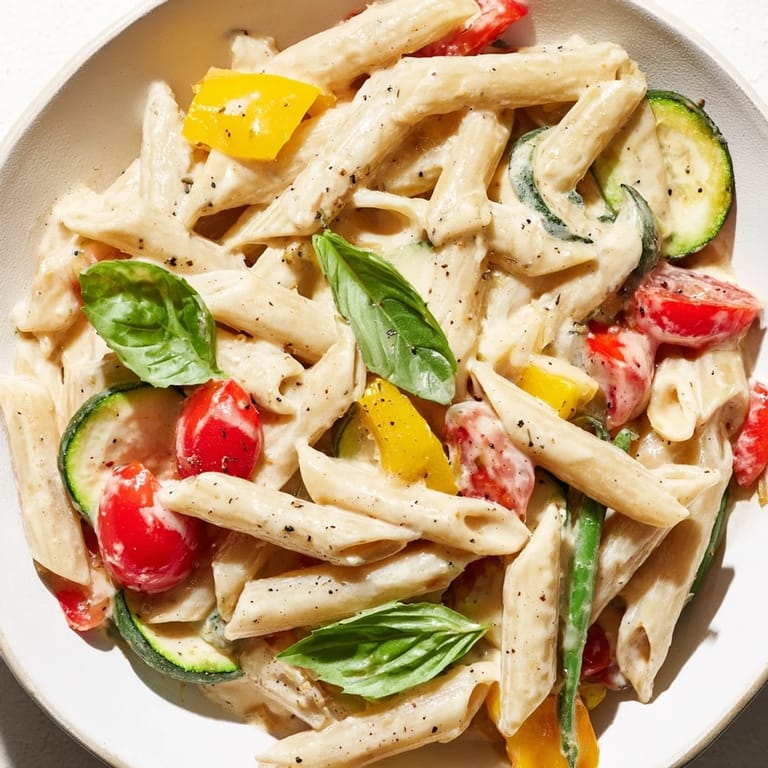
Save One night I made this for a friend who'd just moved into a new apartment with barely any furniture and a kitchen that echoed. We sat on the floor with bowls in our laps, and she said it was the first meal that made the place feel like hers. I didn't say much, but I thought about how food can fill a space in ways that chairs and tables can't. That's when I realized this dish isn't just easy, it's the kind of thing that turns a house into something softer.
What to Do with Leftovers
This pasta thickens in the fridge as the sauce gets absorbed, so when you reheat it, add a splash of broth or cream and warm it gently in a pan over low heat. I've eaten it cold straight from the container during late-night fridge raids, and honestly, it's still good, the flavors have had time to marry and the vegetables taste even sweeter. If you want to stretch it, toss in some fresh spinach or arugula when you reheat it, the greens wilt into the sauce and make it feel like a whole new meal.
How to Adjust for What You Have
I've made this with whatever vegetables were on hand, asparagus tips, broccoli florets, even frozen peas, and it's always worked because the method stays the same. If you don't have heavy cream, use half and half or whole milk and add an extra tablespoon of Parmesan to thicken the sauce. For a lighter version, skip the cream entirely and let the starchy pasta water and Parmesan create the sauce, it won't be as rich, but it'll still coat everything beautifully.
Pairing and Serving Ideas
This pasta is filling enough to stand alone, but I like to serve it with a simple arugula salad dressed in lemon and olive oil to cut through the richness. A crisp white wine like Pinot Grigio or Sauvignon Blanc complements the cream and vegetables without overpowering them. If you're feeding a crowd, set out extra Parmesan, red pepper flakes, and fresh herbs so everyone can customize their bowl.
- Serve with garlic bread to soak up any extra sauce left in the bowl.
- Top with toasted pine nuts or slivered almonds for added texture and a nutty flavor.
- Pair with a light sparkling water with lemon to cleanse your palate between bites.
 Save
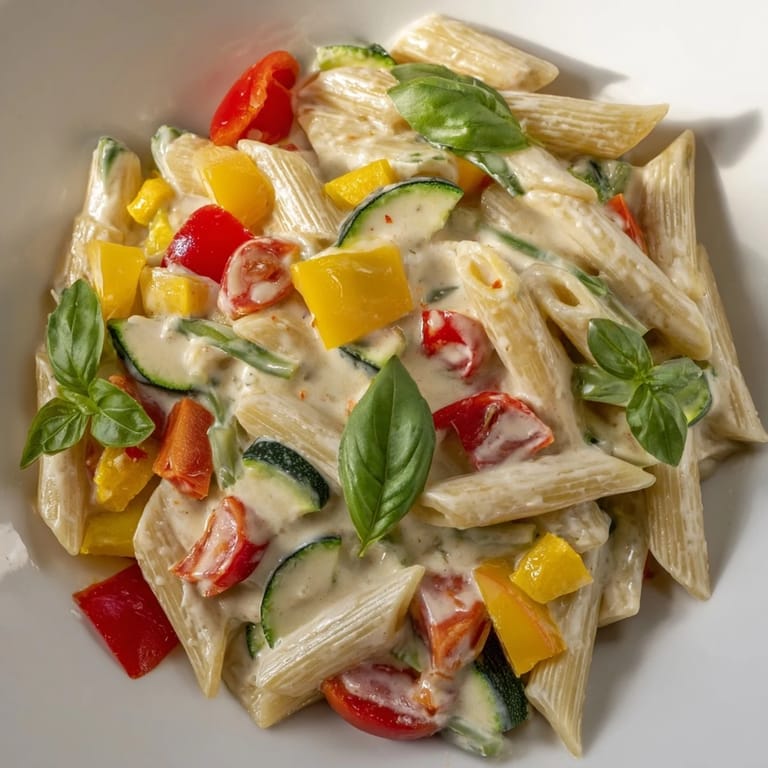
Save This is the kind of dinner that doesn't ask much from you but gives back more than you expect. Make it on a weeknight, share it with someone, and let it remind you that good food doesn't have to be complicated.
Recipe FAQs
- → Can I prepare this dish ahead of time?
This dish is best served immediately after cooking for the creamiest texture. However, you can prepare all vegetables in advance and store them separately. Cook the pasta fresh when ready to serve for optimal results.
- → What pasta shapes work best?
Penne and fusilli are ideal choices as suggested, but any short pasta like rigatoni or farfalle works wonderfully. The curved shapes catch and hold the creamy sauce beautifully.
- → How do I make this vegan?
Substitute the heavy cream with coconut cream or cashew cream, and use nutritional yeast or vegan Parmesan alternatives. The rest of the dish remains the same, delivering a delicious plant-based version.
- → Can I use frozen vegetables instead?
Yes, frozen vegetables work well. Use a similar total weight and thaw them first. Add them directly to the pot after sautéing the garlic for consistent cooking throughout.
- → What vegetables can I substitute?
Feel free to swap in asparagus, broccoli florets, baby spinach, mushrooms, or sun-dried tomatoes. Keep the total vegetable weight around 4-5 cups for the best sauce consistency.
- → How do I prevent the sauce from becoming too thick?
If your sauce thickens too much while cooking, add vegetable broth or pasta water a little at a time to reach your desired consistency. The sauce will continue to thicken slightly as it cools.