 Save
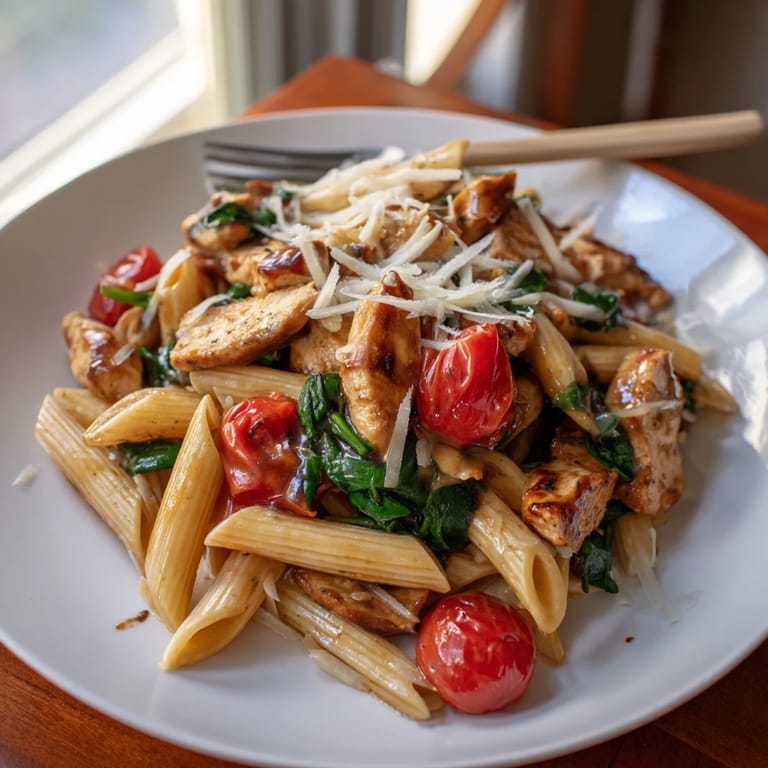
Save The smell of balsamic vinegar caramelizing in a hot pan never fails to make my kitchen feel like a tiny Italian trattoria. I stumbled onto this recipe on a Wednesday night when I had chicken, leftover cherry tomatoes, and an open bottle of balsamic that needed using. What started as a pantry clean-out turned into one of those meals where everyone went quiet at the table, too busy twirling forkfuls to talk. Now it shows up on my weeknight rotation more than I care to admit.
I made this for my sister the first time she visited my new apartment. She walked in as I was tossing the spinach into the skillet, and the whole place smelled like garlic and vinegar. She stood at the counter with a glass of wine, watching the sauce thicken, and told me it looked like something from a restaurant. That comment stuck with me because it really does look impressive, even though the steps are simple and forgiving.
Ingredients
- Boneless, skinless chicken breasts: Slicing them thin helps them cook faster and soak up more of that balsamic glaze, plus they stay tender instead of drying out.
- Penne or spaghetti: Penne holds the sauce in its ridges, but spaghetti twirls beautifully with the glaze, so pick whichever shape makes you happiest.
- Garlic: Fresh minced garlic blooms in the oil and perfumes the whole dish, so dont skip it or swap for powder here.
- Cherry tomatoes: They burst into sweet little pockets of juice when sautéed, adding brightness and a pop of color to every bite.
- Baby spinach: It wilts down in seconds and adds a touch of green without any bitterness, sneaking in nutrients effortlessly.
- Olive oil: Use a good one since it carries flavor through the sauté and blends into the glaze.
- Balsamic vinegar: The backbone of the dish, it reduces into a glossy, tangy-sweet coating that clings to the chicken and pasta.
- Honey: Balances the acidity of the vinegar and helps the glaze thicken just enough to coat a spoon.
- Dijon mustard: A tiny spoonful adds depth and a subtle sharpness that keeps the sweetness in check.
- Italian herbs: Dried oregano, basil, and thyme bring a familiar warmth that ties everything together.
- Parmesan cheese: Grated fresh over the top, it melts slightly into the warm pasta and adds a salty, nutty finish.
- Fresh basil: Torn at the last second, it brings a bright, aromatic lift that makes the whole dish feel lighter.
Tired of Takeout? 🥡
Get 10 meals you can make faster than delivery arrives. Seriously.
One email. No spam. Unsubscribe anytime.
Instructions
- Boil the pasta:
- Get your water salted and bubbling, then cook the pasta until it still has a little bite. Save a mugful of that starchy water before you drain, it will help the sauce hug the noodles later.
- Sear the chicken:
- Heat your skillet until it shimmers, then lay the chicken strips in without crowding them. Let them get golden on each side, seasoning as you go, then pull them out to rest while you build the sauce.
- Soften the garlic and tomatoes:
- Drop the garlic into the same hot skillet and let it sizzle for just a moment until it smells sweet. Toss in the tomatoes and let them blister and collapse, releasing their juices into the pan.
- Whisk the glaze:
- In a small bowl, combine the balsamic, honey, mustard, and a drizzle of olive oil. Whisk it smooth so the honey dissolves and everything emulsifies into a glossy syrup.
- Glaze the chicken:
- Return the chicken to the skillet and pour the balsamic mixture over top. Stir gently and let it simmer until the sauce thickens and coats the back of your spoon, clinging to every piece of chicken.
- Toss everything together:
- Add the cooked pasta and spinach to the skillet, tossing until the greens wilt and the noodles are slicked with glaze. Splash in some pasta water if it looks dry, stirring until everything glistens.
- Serve hot:
- Plate it up right away, finishing each serving with a shower of Parmesan and a few torn basil leaves. The heat will release the basil oils and make the cheese melt just a little.
 Save
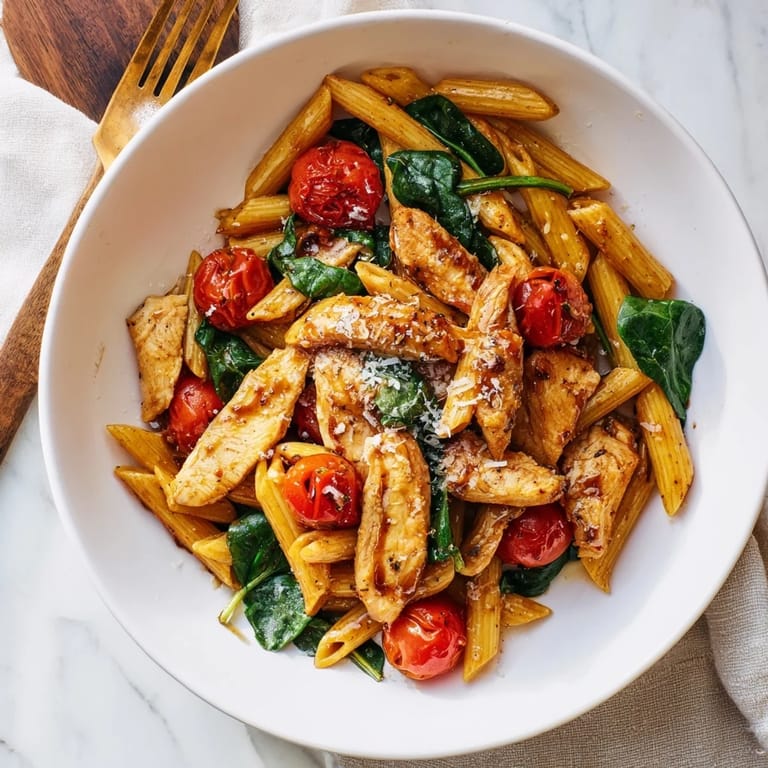
Save One night I doubled this recipe for a small dinner party, and I watched four people scrape their bowls clean without saying much beyond pass the Parmesan. My friend Sarah, who claims she does not cook, asked for the recipe twice before she left. That is when I knew this was more than just dinner, it was the kind of dish that makes people feel cared for without you having to announce it.
Choosing Your Pasta Shape
Penne works beautifully here because the sauce gets trapped in the hollow tubes, giving you a burst of balsamic in every bite. Spaghetti, on the other hand, twirls elegantly and looks more elegant on the plate, perfect if you are plating for guests. I have also used rigatoni when I wanted something heartier, and it held up well to the glaze. Whatever shape you pick, just make sure to cook it al dente so it does not turn mushy when you toss it in the skillet. The texture matters more than you think.
Making It Your Own
If you want to skip the chicken, thick slices of portobello mushrooms or cubes of firm tofu soak up the glaze beautifully and turn this into a vegetarian favorite. I have swapped spinach for arugula when I wanted a peppery bite, and once I threw in a handful of sun-dried tomatoes because they were sitting in my fridge. A pinch of red pepper flakes adds a gentle heat that plays nicely with the sweetness of the balsamic. This recipe is forgiving, so do not be afraid to riff on it based on what you have or what sounds good that night.
Storing and Reheating
Leftovers keep well in the fridge for up to three days, stored in an airtight container. When you reheat it, add a splash of water or broth to the pan to loosen the sauce, since the pasta will soak up moisture as it sits. I usually warm it gently over medium-low heat, stirring often so nothing sticks or dries out. The flavors actually deepen overnight, so lunch the next day can taste even better than dinner. Just finish with a little fresh Parmesan and maybe a drizzle of olive oil to bring it back to life.
- Store in an airtight container in the fridge for up to three days.
- Reheat gently with a splash of water or broth to refresh the sauce.
- Top with fresh Parmesan and a drizzle of olive oil before serving leftovers.
 Save
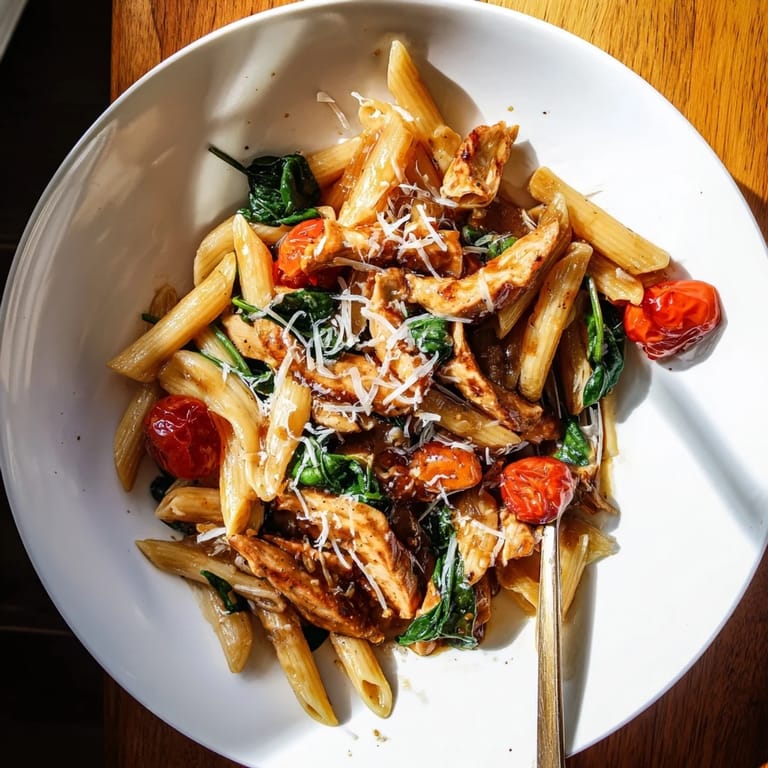
Save This dish has become my answer to what should I make tonight when I want something satisfying but do not want to spend forever in the kitchen. It feels special enough to serve to people you want to impress, but easy enough that you will actually make it on a random weeknight.
Recipe FAQs
- → How do I prevent the chicken from drying out?
Slice the chicken breasts into thin strips and cook them over medium-high heat for only 5-7 minutes until golden. Don't overcook—they'll continue cooking slightly when combined with the warm balsamic glaze.
- → Can I make the balsamic glaze ahead?
Yes, prepare the balsamic vinegar mixture in advance and store it in an airtight container for up to 3 days. Simply reheat gently before adding to the skillet with the chicken.
- → What if the sauce is too thick?
Add reserved pasta water gradually, stirring until you achieve the desired consistency. The starch in pasta water creates a silky, clinging sauce without thinning the balsamic flavor.
- → Can I use a different pasta shape?
Absolutely. Penne and spaghetti work best, but fettuccine, rigatoni, or linguine are excellent alternatives. Choose shapes that hold the balsamic glaze well.
- → What wine pairs best with this dish?
Light Pinot Noir complements the balsamic's earthiness, while crisp Sauvignon Blanc brightens the tangy glaze. Both options enhance the dish's Italian-inspired character.
- → How do I adapt this for dietary restrictions?
Use gluten-free pasta for gluten intolerance. Substitute dairy-free Parmesan for vegans, or replace chicken with sautéed mushrooms or tofu for vegetarian versions. Always verify product labels for allergens.